





Meet the Dussehri: The Star of the Show
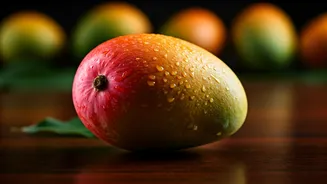
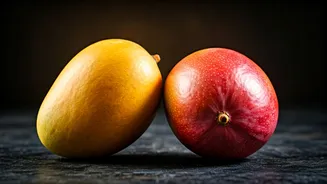
When people speak of Lucknow mangoes with a sense of awe, they’re usually talking about one specific variety: the Dussehri. Forget the round, reddish-green mangoes you might see at your local supermarket. The Dussehri is elegantly slender, with a skin
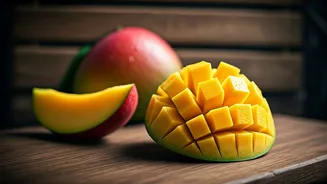
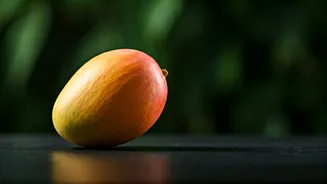
that ripens from a bright green to a uniform, sun-drenched golden-yellow. Its real magic, however, is inside. The pulp is completely fiberless, melting on the tongue like a sorbet with a texture so smooth it’s almost custardy. The flavor is a perfect symphony: intensely sweet but balanced with a honeyed, slightly floral aroma and a subtle tang that keeps you coming back for another bite. This isn’t just a fruit; it’s a meticulously crafted flavor experience, perfected over centuries.
A Legacy Born in a Nawab’s Garden
Here's the “real reason” behind the hype: you can’t separate the fruit from its history. Lucknow, the capital of Uttar Pradesh, was once the seat of the Nawabs of Awadh, rulers known for their immense wealth and patronage of the arts, poetry, and, most importantly, food. They were the original foodies, cultivating a culture of culinary refinement that is still legendary in India. The story goes that the Dussehri mango itself originated from a single mother tree in the gardens of the Nawab of Lucknow in the 18th century. This tree, located in the village of Dussehri (from which the mango gets its name), still exists and bears fruit. The Nawabs didn't just eat these mangoes; they cultivated, cross-bred, and perfected them. Owning the best mango orchards was a status symbol, and gifting a box of premium Dussehris was the highest form of respect. This royal seal of approval embedded the mango deep within the region's cultural DNA.
The Terroir of the Mango Belt
Like fine wine from Bordeaux or Parmesan cheese from Parma, the Dussehri is a product of its specific environment. The mangoes thrive in the 'mango belt' of Malihabad, a region near Lucknow where the soil and climate are uniquely suited for their cultivation. This concept of terroir—the idea that a food’s flavor is inextricably linked to the land where it’s grown—is central to the Dussehri's identity. The hot, dry winds of early summer and the specific mineral composition of the soil contribute to the fruit's low fiber content and high sugar concentration. In recognition of this unique geographical origin, the Malihabad Dussehri has been awarded a Geographical Indication (GI) tag, a legal protection that functions like a U.S. appellation, ensuring that only mangoes grown in this specific region can carry the prestigious name. It's a modern acknowledgment of a truth that has been known for centuries: this place produces a mango like no other.
More Than a Fruit, It's a Summer Ritual
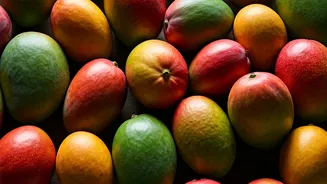
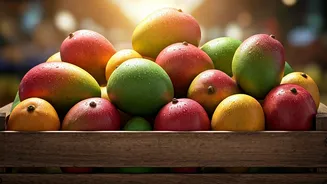
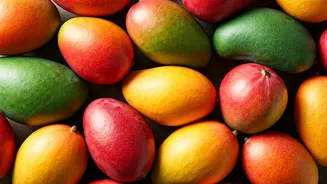
While the headline’s claim that Lucknow mangoes “rule all Indian kitchens” is a loving exaggeration, they certainly rule the hearts of many during the summer months. The arrival of the first Dussehris in late May is a celebrated event. Markets overflow with fragrant, golden heaps of the fruit. Families host 'mango parties,' where the sole activity is to sit together and eat mangoes, often chilled in buckets of ice water. Aamras, a simple purée of the pulp eaten with flatbreads, becomes a staple dessert. Sending carefully packed crates of mangoes to friends, family, and business associates is a cherished tradition. For a few short weeks, life revolves around this fruit. It’s not just something you eat; it’s an experience that marks the peak of summer, a taste of sunshine and history all at once.