
The Double-Edged Sword of Monsoon Magic
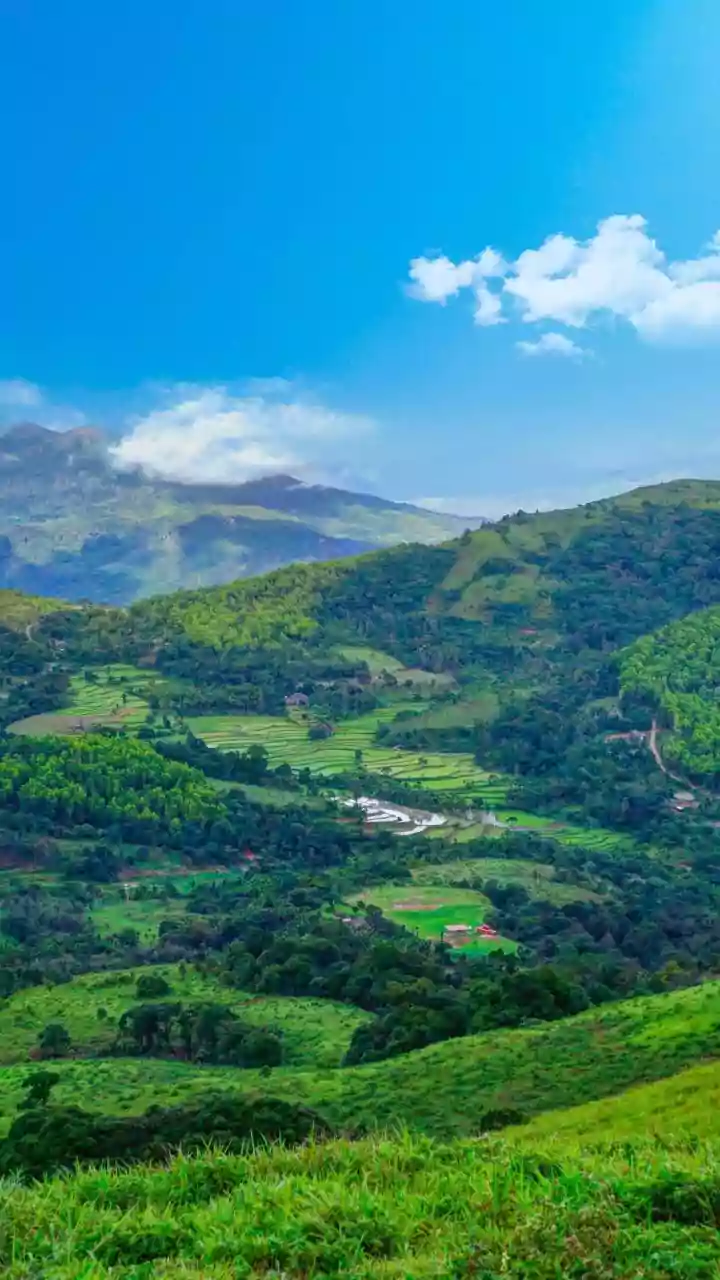
For decades, the formula was simple: when the monsoon rains arrive in June, city dwellers from Mumbai and Pune escape to the Western Ghats, the mountain range that runs parallel to India’s western coast. This region, a UNESCO World Heritage site, transforms
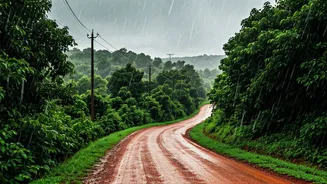
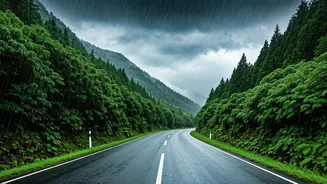
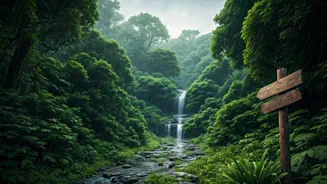
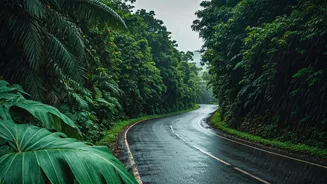
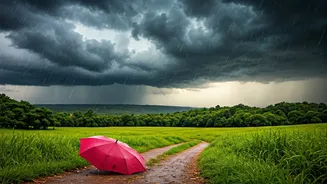
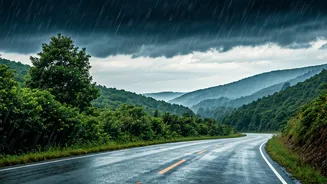
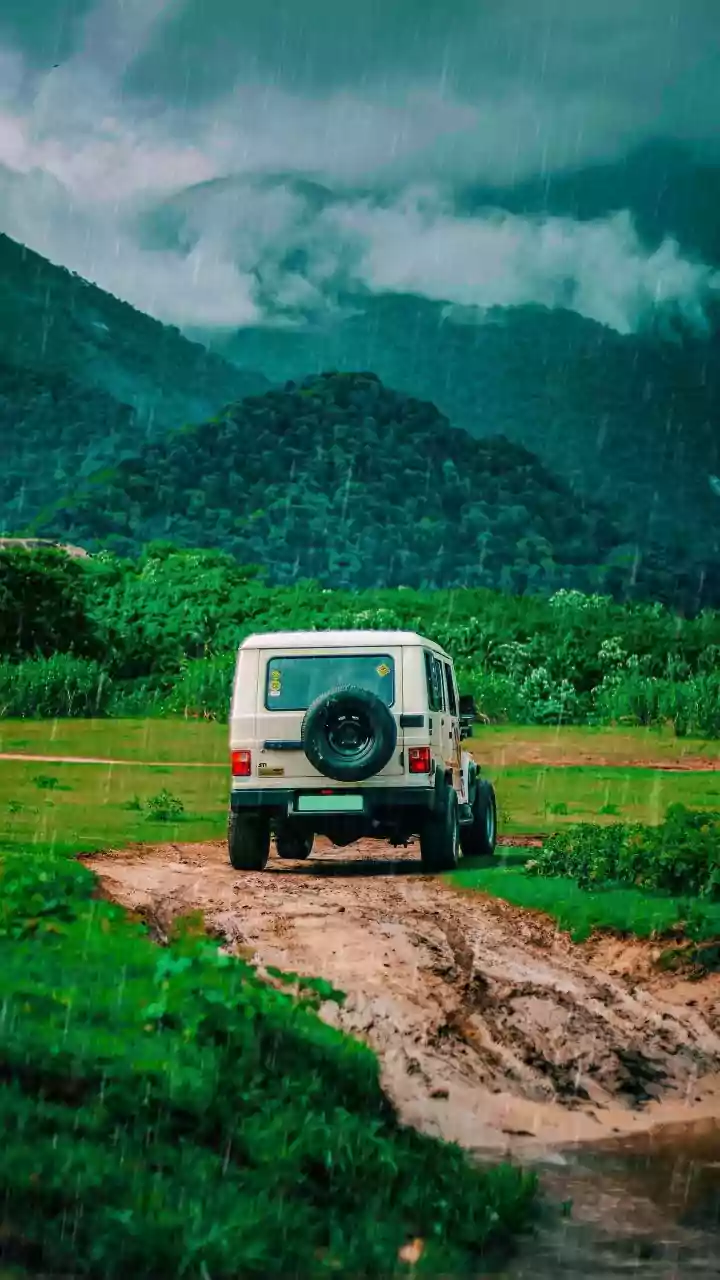
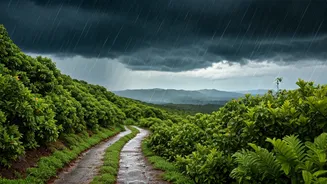
into a paradise. Dry, dusty hills erupt in a thousand shades of green, temporary waterfalls cascade down black rock faces, and a cool mist hangs in the air. Hill stations built by the British, like Lonavala, Khandala, and Matheran, become the epicenters of this seasonal migration. But in recent years, this idyllic picture has been complicated. The combination of more extreme weather events—a hallmark of a changing climate—and a massive surge in tourist numbers has turned these getaways into a high-stakes affair. The very rains that create the beauty now trigger landslides that shut down major highways for days, cause flash floods that wash away rural roads, and turn scenic waterfalls into dangerously powerful torrents.
Why 'Winging It' No Longer Works
The old-school approach of jumping in a car on a Saturday morning for a spontaneous trip to the hills is becoming untenable. Popular spots are now so choked with traffic and crowds that the experience is often one of gridlock and frustration, not peaceful communion with nature. Local authorities, overwhelmed by accidents and rescue operations, have started imposing restrictions. Police now regulate access to popular waterfalls and viewpoints, and entire areas can be declared off-limits with little notice.
This isn't about scaring you off; it's about shifting the mindset. A monsoon getaway in Maharashtra is no longer a casual weekend plan. It requires the same level of thoughtful preparation you’d give a trip to a national park in peak season. Smarter planning is the new prerequisite for a successful, and safe, experience.
Rethink Your Destination Hotlist
The first step in smarter planning is looking beyond the obvious. While Lonavala has its charms, it’s also ground zero for monsoon overcrowding. Consider exploring less-saturated but equally stunning alternatives. The Bhandardara region, with its majestic Wilson Dam and serene Arthur Lake, offers a more tranquil experience. The Konkan coast, just south of Mumbai, has incredible sea forts like Murud-Janjira and ancient temples set against dramatic, rain-swept coastlines.
Even if you are set on a popular area, think differently. Instead of a hotel on the main road, look for a homestay or boutique resort (known as an 'agritourism' stay) in a nearby village. You'll get a more authentic experience, avoid the worst of the crowds, and your host will be an invaluable source of real-time information on local conditions.
Mastering Monsoon Logistics
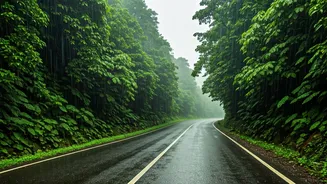
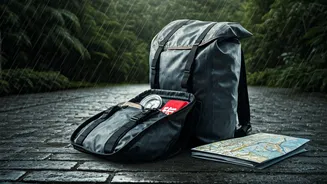
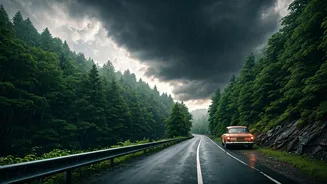
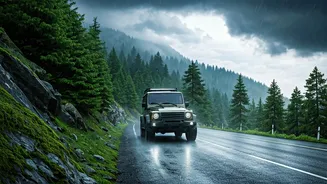
Your packing and planning need a specific monsoon focus. First, your vehicle: ensure your tires, wipers, and brakes are in perfect condition. Road conditions can be treacherous. Second, your gear: forget the umbrella; you need a quality raincoat. Pack quick-drying synthetic clothes, not cotton. Bring waterproof footwear with excellent grip, not flip-flops. A waterproof bag for your electronics is non-negotiable.
Most importantly, stay digitally connected. Before you leave, check real-time traffic on Google Maps, but also follow local police and district collector Twitter (now X) accounts for official updates on road closures. Many local trekking and travel groups on social media provide crowd-sourced, up-to-the-minute reports on road and trail conditions. Always book accommodations that are on high ground, well away from riverbanks or hillsides known for mudslides.
Embrace the Slow Down
The single most important piece of advice is to change your travel philosophy for the season. A monsoon trip is not about ticking off a long list of sights. It's about finding a cozy spot with a view, sipping a hot cup of chai, and watching the rain transform the world outside. Build buffer days into your itinerary. A two-hour drive can easily become a five-hour one. A road you took in the morning might be blocked by afternoon. Instead of fighting it, expect it. The goal is to be present, not productive. If you get 'stuck' somewhere beautiful for an extra day because of the rain, consider it part of the adventure.