






So, What Is This Stuff?
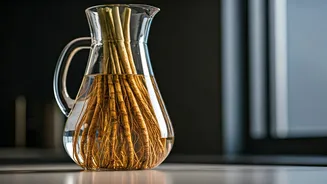
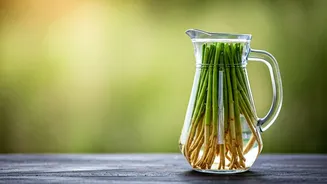
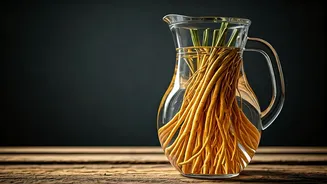
Before you imagine chugging something that tastes like dirt, let’s clarify. Vetiver root water is a simple infusion, much like mint water or cucumber water. It’s made by steeping the clean, fibrous roots of the vetiver plant (Chrysopogon zizanioides),
a tall, perennial bunchgrass native to India, in water. The roots release their aromatic compounds, creating a beverage with a distinctively earthy, woody, and slightly smoky flavor. Think of the smell of a forest floor after a summer rain—that’s the essence captured in the water. The plant itself is a workhorse, prized not just for its aromatic roots but also for its ability to prevent soil erosion, making it an environmental hero in many parts of the world.
An Ancient Practice, Not a New Invention
While it might be popping up in chic wellness cafes in Los Angeles and New York, vetiver water is anything but new. In India, it’s known as ‘khus’ water and has been a staple for centuries, especially during the scorching summer months. Ayurvedic tradition classifies vetiver as a ‘cooling’ herb, believed to calm the body and mind. It was—and still is—a common sight to see clay pots of water with a bundle of vetiver roots at the bottom, naturally chilling and flavoring the household’s drinking supply. This isn’t a Silicon Valley bio-hack; it’s a time-tested method of hydration and refreshment passed down through generations.
From High-End Cologne to Your Kitchen
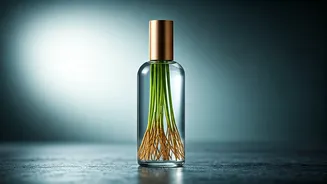
If the word ‘vetiver’ sounds familiar, you’ve probably seen it listed as a base note in sophisticated perfumes and colognes. Its complex, grounding scent is a cornerstone of the fragrance industry, valued for its staying power and masculine-leaning elegance. Brands like Tom Ford, Le Labo, and Guerlain have all built iconic scents around it. The wellness trend essentially asks: why just smell it when you can taste it? The move from perfumery to pantry reflects a broader cultural interest in complex, savory, and botanical flavors that challenge the dominance of sweet and fruity drinks. It’s a sign of a more mature palate in the non-alcoholic beverage space.
The Modern Wellness Claims
So why is it the ‘ultimate’ trend *now*? Proponents claim vetiver water is a multitasking marvel. Its biggest draw is its purported calming and ‘grounding’ effect, an antidote to our chronically overstimulated, anxiety-ridden lives. The earthy aroma is linked to aromatherapy benefits for stress reduction. Beyond that, traditional use points to anti-inflammatory and antiseptic properties. In the wellness world, it's being positioned as a gut-friendly, hydrating elixir that can help soothe inflammation, support the nervous system, and even provide a dose of antioxidants. It’s the perfect narrative for a post-pandemic consumer base seeking comfort, calm, and holistic health.
A Quick Reality Check
As with many wellness trends rooted in traditional use, the specific scientific evidence for drinking vetiver *water* is still catching up. While studies on vetiver essential oil—the highly concentrated form—do show promising antioxidant, anti-inflammatory, and sedative properties, these findings can't be directly applied to a simple, light infusion. Drinking the water is far less potent than using the oil. There is no rigorous clinical trial proving vetiver water will cure anxiety or eliminate inflammation. Think of it less as a prescriptive medicine and more as a mindful, sensory experience. Its primary, proven benefit is excellent hydration with a complex, zero-calorie flavor profile.