




First, What Is a Paratha?
If you’ve yet to have the pleasure, a paratha is a delicious, unleavened flatbread native to the Indian subcontinent. Its name comes from the words ‘parat’ and ‘atta,’ meaning layers of cooked dough. Unlike its softer cousin, naan, or the thin, simple
roti, a paratha is known for its flaky, layered texture. It’s made by folding and rolling dough multiple times, often with ghee or oil, creating crispy, buttery layers that are simply irresistible. Parathas are a staple in many South Asian households, enjoyed for breakfast with yogurt and pickles, or served as an accompaniment to savory curries and vegetable dishes. They can be served plain or stuffed with fillings like spiced potatoes (aloo paratha), paneer, or minced meat. It’s a versatile and hearty comfort food, but traditionally, it’s more of an indulgence than a health food.
Meet Moringa, The “Miracle Tree”
This is where the “healthy hack” part comes in. Moringa oleifera is a tree native to parts of India and Africa, and it’s often called the “drumstick tree” or the “miracle tree” for its impressive nutritional profile. Nearly every part of the tree is edible, but the leaves are the most prized for their wellness benefits. When dried and ground, they become a fine, emerald-green powder. Moringa powder is what you’ll find in health food stores and online, and it’s considered a superfood for good reason. It’s packed with antioxidants and is a rich source of vitamins and minerals, including Vitamin C, Vitamin A, iron, and potassium. Its flavor is mild and earthy, often compared to spinach or matcha, making it easy to incorporate into recipes without an overpowering taste.
The Perfect Pairing for a Nutrient Boost
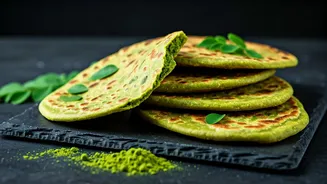
Combining moringa and parathas is a genius move. You’re taking a beloved, carbohydrate-rich comfort food and infusing it with the nutritional benefits of a potent green superfood. Adding just a tablespoon or two of moringa powder to the paratha dough turns the bread a beautiful shade of green and subtly enhances its nutritional value. It’s a seamless way to add more vitamins and antioxidants to your meal without feeling like you’re eating “health food.” The mild flavor of moringa doesn’t compete with the savory, buttery taste of the paratha. Instead, it adds a slight earthy note that complements it well. This simple addition transforms the flatbread from a simple indulgence into a more balanced and functional food. It’s an ideal hack for anyone looking to make their favorite meals a little healthier, or for parents trying to sneak more greens into their kids’ diets.
Your Easy Guide to Making Them
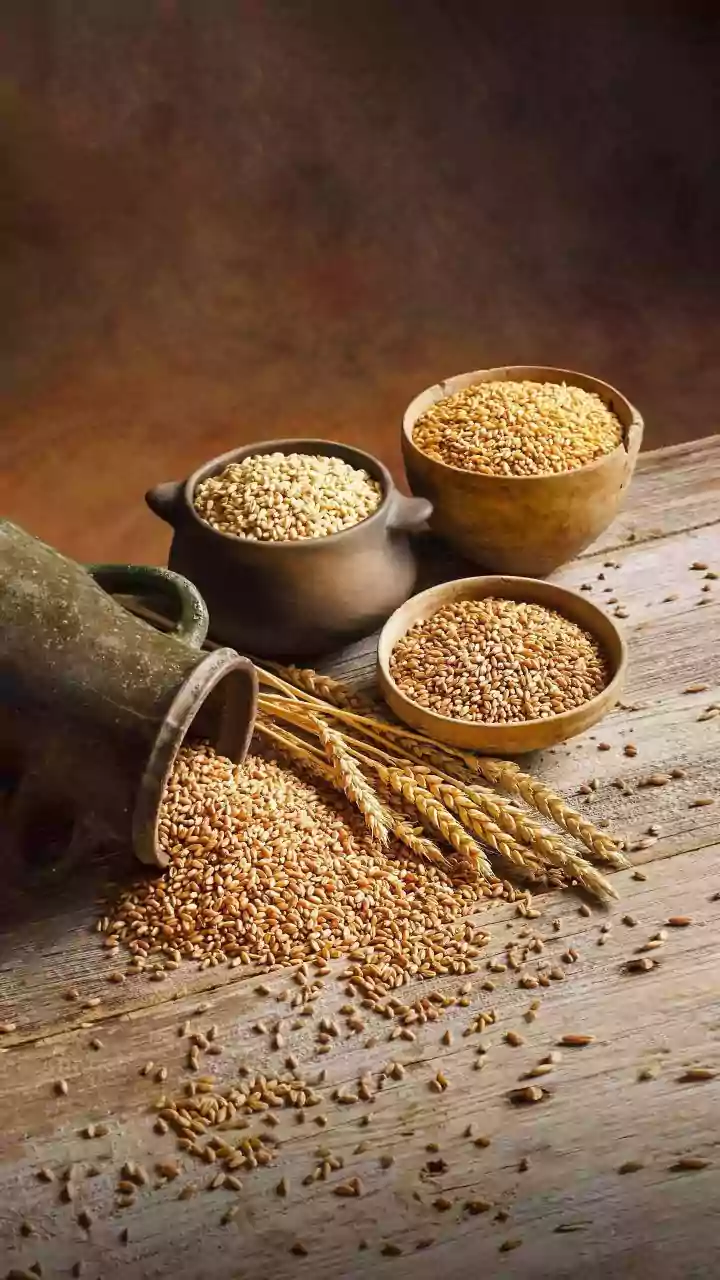
Making moringa parathas at home is surprisingly straightforward, even if you’ve never made flatbread before. The process is nearly identical to making traditional parathas, with one extra step. You start by making a simple dough with whole wheat flour (atta), water, a little salt, and oil. The key is to sift one or two tablespoons of moringa powder in with the flour before you add the water. Knead the dough until it’s smooth and pliable, then let it rest for about 20 minutes. Next, divide the dough into small balls. Roll one out, brush it with oil or ghee, fold it (a simple triangle fold works well), and roll it out again into a flat disc. Then, cook it on a hot, dry skillet or griddle for a minute or two per side, until golden-brown spots appear. A final brush of ghee or butter as it comes off the heat will give it that classic, delicious finish. Serve hot and enjoy your nutrient-boosted creation.