








1. Ignoring Your Roof Until It's Too Late
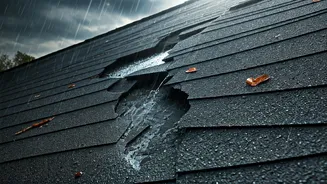
The most classic and costly mistake is roof neglect. During the long, dry months, it's easy to forget about the shield over your head. But Arizona and New Mexico sun is brutal, baking roofing materials and causing small cracks or degrading seals around
vents and skylights. When the first torrential downpour arrives, those tiny fissures become major leaks. Water intrusion can damage insulation, drywall, and electrical systems, leading to thousands in repairs and a frantic search for a roofer who is suddenly everyone's best friend. **The Fix:** Don't wait for a watermark on your ceiling. Have your roof inspected annually, ideally before the season begins in June. A professional can spot and repair loose tiles, cracked shingles, and failing flashing for a few hundred dollars, saving you from a multi-thousand-dollar interior renovation project later.
2. Forgetting That Water Flows Downhill
A monsoon storm can dump an inch of rain in under an hour. If that water has nowhere to go, it will find the path of least resistance—often into your home's foundation or garage. The primary culprits are clogged gutters and poor yard grading. Gutters filled with leaves and debris will overflow, sending water cascading down your walls and pooling against the foundation. Similarly, if your yard slopes toward your house, you’re essentially funneling water directly into your lowest level. **The Fix:** Before the storms hit, do a full gutter and downspout clean-out. Ensure downspouts direct water at least five to ten feet away from the foundation. Walk your property after a light rain (or with a garden hose) to see where water pools. Improving your landscape’s grading or installing a French drain can be a significant upfront investment, but it pales in comparison to the cost of foundation repair or flood remediation.
3. Underestimating Wind and Trees
Monsoons are not just about rain; they bring powerful downdrafts known as microbursts, with winds easily exceeding 60 mph. In this scenario, your beautiful, shady mesquite or palo verde tree becomes a liability. Dead or weak branches can snap off, crashing through a roof, window, or a neighbor’s car. Even healthy trees with overgrown canopies can act like a sail, putting the entire root system at risk of failure. **The Fix:** Hire a certified arborist to inspect and trim your trees every few years. They can identify and remove dangerous, weak limbs and strategically thin the canopy to allow wind to pass through more easily. It’s a proactive expense that prevents a catastrophic, insurance-claiming event.
4. Leaving Projectiles in the Yard
That same wind that threatens your trees can turn everyday objects into destructive projectiles. Patio furniture, trampolines, potted plants, garbage cans, and even children's toys can become airborne during a severe storm. A flying patio chair can easily shatter a sliding glass door or a large picture window, exposing your home to wind and rain and resulting in an expensive emergency board-up and replacement. **The Fix:** This is the easiest mistake to avoid. When you know a storm is forecast, do a quick sweep of your yard. Secure lightweight furniture, lay trampolines flat on the ground if possible, and bring smaller items into a garage or shed. Think of it as a five-minute task that could prevent a $2,000 window replacement.
5. Not Reviewing Your Insurance Policy
The most expensive mistake of all might be a financial one: assuming you're covered. Many homeowners don't fully understand their insurance policy until they need to file a claim. A standard homeowner's policy may cover wind damage, but flood damage is almost always a separate policy available through the National Flood Insurance Program (NFIP). If your home floods from rising groundwater—a common monsoon event—and you don't have flood insurance, you could be facing a total financial loss. **The Fix:** Pull out your policy documents or call your agent once a year. Ask direct questions: "Am I covered for wind damage? What are my deductibles? Do I have flood insurance? What are the limits?" Understanding your coverage gaps before a disaster allows you to make an informed decision about whether to purchase additional protection.