






Fighting the Urban Heat Island
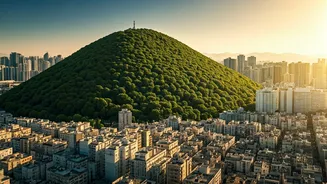
If you’ve ever felt a wave of heat radiating from the pavement on a summer day, you’ve experienced the “urban heat island” effect. Dark, dense materials like concrete and asphalt absorb and retain the sun's energy, making cities several degrees hotter
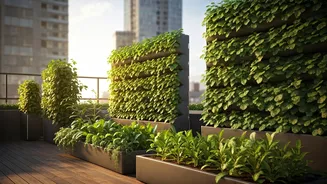
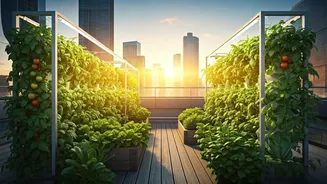
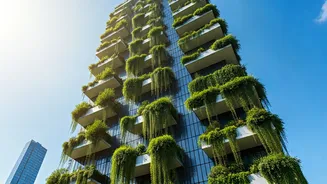
than surrounding rural areas. This isn’t just uncomfortable; it drives up energy consumption for air conditioning and poses serious health risks during heatwaves. Enter greenery. Plants, through a process called evapotranspiration, act as natural air conditioners. They release water vapor into the air, which has a significant cooling effect. A green roof can be 30–40°F cooler than a conventional roof, and a single large tree can provide the cooling equivalent of 10 room-size air conditioners operating 20 hours a day. By replacing heat-trapping surfaces with parks, vertical gardens, and green roofs, cities are directly lowering ambient temperatures, reducing energy bills, and creating safer microclimates for their residents.
A Boost for Our Brains and Bodies
Humans have an innate, biological need to connect with nature—a concept known as “biophilia.” Living in a concrete jungle starves us of this connection, contributing to stress, anxiety, and mental fatigue. The integration of nature back into urban landscapes, or “biophilic design,” is a powerful antidote. Studies have consistently shown that even brief exposure to green spaces can lower blood pressure, reduce levels of the stress hormone cortisol, and improve focus and mood. Hospitals with views of nature report faster patient recovery times. Offices with interior plants and natural light see increased productivity and fewer sick days. Beyond mental health, plants are powerful air purifiers, filtering out pollutants like nitrogen dioxide and particulate matter, which are rampant in dense urban environments. This shift isn't just about making cities look prettier; it's about making them fundamentally healthier places to live and work.
Smarter Water and Energy Management
Traditional city infrastructure is notoriously inefficient at handling natural resources. When it rains, water sluices off impermeable concrete surfaces, overwhelming aging sewer systems and carrying pollutants into local waterways. Green infrastructure flips this script. Permeable surfaces, rain gardens, and green roofs act like sponges, absorbing vast amounts of stormwater. The soil and plants filter this water naturally, reducing runoff, preventing floods, and replenishing groundwater. This green layer also acts as a powerful insulator for buildings. A green roof adds a protective barrier that keeps buildings cooler in the summer and warmer in the winter. This drastically reduces the energy needed for heating and cooling, leading to lower utility bills for building owners and less strain on the city’s power grid. It's a system that works with nature's cycles, not against them, turning liabilities like stormwater into assets.
Creating Economic and Community Value
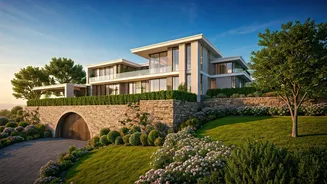
While the environmental benefits are clear, the move toward greenery is also a savvy economic decision. Properties with views of parks, access to green spaces, or features like rooftop gardens consistently command higher prices and rents. Companies are increasingly drawn to offices and districts that offer these amenities, recognizing their role in attracting and retaining top talent. At the street level, green infrastructure fosters community. A pocket park, a tree-lined avenue, or a public plaza with planters becomes a natural gathering spot, encouraging social interaction and strengthening neighborhood bonds. These spaces can host farmers' markets, outdoor concerts, and community events, creating a vibrant public life that was impossible on a sterile concrete plaza. By investing in green spaces, cities aren't just planting trees; they are cultivating more resilient, connected, and prosperous communities.