





The End of the 'Road Warrior' Era
For decades, the “road warrior” was a corporate archetype: a suit-clad professional who thrived on airport lounges, back-to-back meetings, and living out of a carry-on. The pandemic, however, fundamentally broke this model. After two years of proving
that deals could be closed and projects could be managed over Zoom, the justification for every single trip came under scrutiny. Now, as in-person meetings return, companies face a new reality: if they are going to ask an employee to leave the comfort of their home office, the trip needs to be worth it. This isn't just about a change in sentiment; it's a strategic move in the war for talent. In a hybrid work world, a company’s travel policy has become a powerful tool for employee retention and recruitment. A policy that treats travel as a draining obligation is a liability. One that treats it as a positive, rejuvenating experience is a competitive advantage.
From 'Bleisure' to Blended Travel
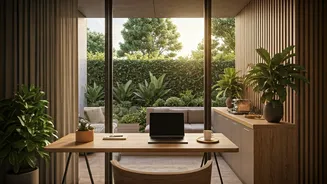
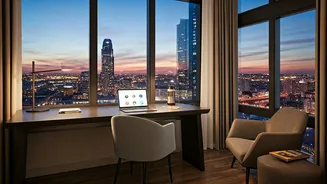
The term “bleisure”—tacking a few vacation days onto a business trip—has been around for years. But the new trend is something more integrated, often called “blended travel.” It’s less about a clean split between work time and personal time and more about weaving them together. This might mean a company flying a team to a desirable location for a week of workshops, but building in flexible afternoons for exploration or relaxation. It could also mean policies that explicitly allow employees to bring a partner or family along, with the company covering the employee’s costs as usual. According to a 2023 report from Morgan Stanley, more than half of business travelers are now extending their work trips for leisure. Hotels are responding in kind, creating packages that cater to this new hybrid traveler. Think rooms with dedicated, well-lit workspaces alongside comfortable living areas, or hotel apps that offer curated local experiences, from cooking classes to guided hikes.
Wellness on the Expense Report
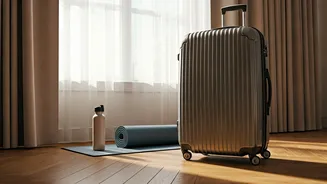
The biggest shift is the corporate embrace of wellness. Burnout is a top concern for executives, and a travel schedule packed with stress and poor sleep is a direct contributor. In response, companies are rethinking what constitutes a valid business expense. Subscriptions to meditation apps like Calm or Headspace are sometimes offered to frequent travelers. Hotel choices are increasingly being made based on their wellness amenities. A hotel with a state-of-the-art gym, a lap pool, or an on-site spa suddenly has a major advantage. Some hotel chains are even putting Peloton bikes, yoga mats, and free weights directly into guest rooms. The focus extends to food, too. The days of a sad, soggy continental breakfast are numbered. Companies and travelers are prioritizing hotels with healthy, high-quality dining options, including plant-based menus and locally sourced ingredients. The goal is to ensure employees return from a trip feeling energized, not depleted.
Upgrades as the New Standard
Finally, the physical experience of travel is getting a long-overdue upgrade. For years, the default was often the cheapest possible flight and the most functional, budget-friendly hotel. Now, there’s a growing recognition that a tired, cramped employee is not a productive one. Companies are more willing to approve premium economy seats for better comfort and more space to work on long flights. They are also prioritizing direct flights to minimize travel time and reduce the stress of connections. This extends directly to the hotel room. The demand is shifting away from cramped, basic rooms toward more spacious accommodations, junior suites, or extended-stay properties that offer kitchenettes and separate living areas. This isn't about luxury for luxury's sake. It's a practical calculation: a well-rested employee who has the space to comfortably prepare for a big meeting is more likely to perform at their best, delivering a better return on the company’s travel investment.