





The Challenge: Rooftops and Rain
First, picture the scene. Bengaluru, known as India's Silicon Valley, is a bustling metropolis with a thriving urban gardening culture. Lacking traditional backyards, many residents have turned to their terraces—or rooftops—to grow vegetables, herbs,
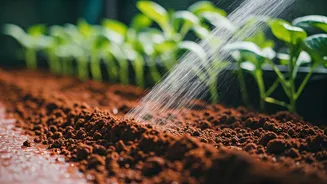
and flowers. This creates a specific set of challenges. The containers need to be light enough not to strain the building's structure, and the soil within them needs to be perfectly engineered to handle the region's dramatic climate: intense sun followed by the torrential downpours of the monsoon season. During the monsoon, a typical potting mix can become a waterlogged disaster, leading to root rot and killing the plants. This is the problem that the viral "red sand" tweak was born to solve.
Decoding the "Red Sand"
The key ingredient that gives this hack its name is "red sand," which is a bit of a misnomer for American gardeners. It’s not the decorative red sand you might find at a craft store. This refers to the local red soil, or laterite soil, which is abundant in the Deccan Plateau where Bengaluru is located. This soil gets its distinctive rusty color from a high concentration of iron oxide. On its own, red soil has excellent drainage properties—water passes through it quickly—which is a great start for preventing waterlogging. However, it’s also notoriously low in organic matter and essential nutrients. Using it by itself would leave plants both thirsty after the rain stops and hungry for food. The genius is not in the red soil itself, but in what it's mixed with.
The Perfect Three-Part Recipe
The viral trend isn't just about using red soil; it's about a specific potting mix formula designed for resilience. While ratios vary slightly among gardeners, the universally acclaimed recipe consists of three core components in roughly equal parts: 1. **Red Soil (or Sand):** This forms the base, providing structure and, most importantly, superb drainage to let the heavy monsoon rains run through without drowning the roots. 2. **Cocopeat (Coir Pith):** Made from coconut husks, this material is the perfect counterbalance to the red soil. It’s lightweight and acts like a sponge, retaining moisture and nutrients long after the rain has passed. This ensures plants don't dry out during sunny spells between downpours. 3. **Compost or Vermicompost:** This is the nutrition powerhouse. Since both red soil and cocopeat are relatively inert, a rich organic compost or worm-casting blend provides the essential nutrients plants need to thrive and produce fruit. It also improves the overall soil structure and introduces beneficial microbes.
Why This Mix is a Masterpiece
This three-part combination is a masterclass in soil science tailored to a specific environment. The red soil tackles the biggest immediate threat: drowning. The cocopeat solves the next problem: dehydration. And the compost addresses the long-term need: nutrition. Together, they create a medium that is light enough for a rooftop, drains quickly enough for a monsoon, retains enough moisture for a sunny day, and is fertile enough to support a healthy harvest. It’s a complete, self-contained ecosystem in a pot, perfectly engineered to withstand the climatic extremes of South India. This elegant solution is why it has captured the imagination of so many gardeners online.
Adapting the Technique for U.S. Gardens
So, can you replicate this in your patio garden in Ohio or your balcony in California? Absolutely—if you focus on the principles, not the exact ingredients. You likely won't find "Bengaluru red soil" at your local nursery, but you don't need to. Instead, think about the function. * **For the Drainage Component:** Start with a standard potting mix and amend it to improve drainage. You can add coarse sand (not fine sand, which clogs), perlite, or small lava rocks. The goal is to create air pockets and channels for water to escape. * **For the Moisture-Retention Component:** Cocopeat is widely available in the U.S. and is an excellent, sustainable choice. Peat moss is another, though less sustainable, alternative. * **For the Nutrient Component:** High-quality compost is your best friend. Mix it generously into your blend to provide the food your plants will need throughout the season. The Bengaluru formula is a reminder that the best soil is often one you create yourself. By understanding the roles of drainage, retention, and nutrition, you can custom-blend a perfect mix for your own local climate and container-gardening needs.