




From Masala to Macros
For decades, the Indian food landscape, especially in the packaged goods aisle, was dominated by legacy brands offering time-tested flavors. The key selling points were taste, convenience, and price. But India's millennials and Gen Z—a demographic larger
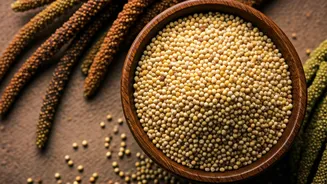
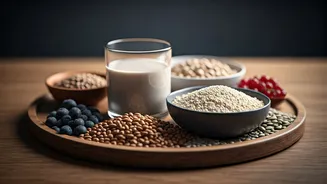
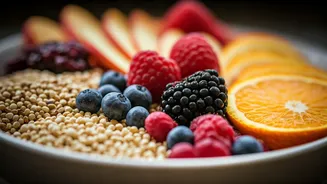
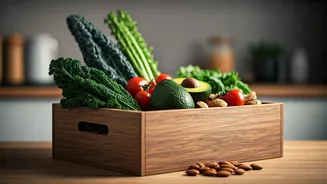
than the entire U.S. population—are rewriting the rules. They grew up with global internet access, wellness influencers in their feeds, and a heightened awareness of what goes into their bodies. The new gold standard isn't just a tastier chip; it's a baked, protein-rich, gluten-free crisp made with locally sourced millet. The conversation has shifted from 'How good does it taste?' to 'What good does it do?' This move toward functional foods and clean labels is forcing a market-wide reckoning. Brands built on sugar, refined flour, and artificial ingredients are suddenly looking ancient. In their place, a wave of agile startups is marketing products based on their nutritional panels, touting everything from high fiber to low glycemic index.
The Search for 'Better Context'
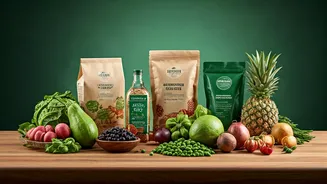
This shift is about more than just health. The 'better context' young Indians demand is a rejection of the faceless corporation. They want to know the 'why' behind their purchase. Where was the coffee grown? Who is the founder and what is their mission? Is the packaging sustainable? This is where direct-to-consumer (D2C) brands are winning big. By cutting out the middleman and speaking directly to customers via social media, these companies can build a narrative that legacy brands struggle to replicate. A D2C brand can tell you about the specific farming community in Coorg that grows its coffee beans or show you behind-the-scenes footage of its small-batch production. This authenticity builds a powerful sense of connection and trust. In a market once defined by mass production, this new generation is craving products that feel personal, ethical, and transparent. It's a desire for a relationship with the brand, not just a transaction.
A Challenge for Global Giants
This consumer revolution presents a massive challenge for the multinational corporations and established Indian conglomerates that have long controlled the country's food sector. Their scale, once an unbeatable advantage, can now be a weakness. It's hard to pivot a billion-dollar supply chain toward organic sourcing overnight or to credibly rebrand a 50-year-old cookie as a 'mindful indulgence.' These giants are now playing catch-up, either by launching their own 'healthy' sub-brands, acquiring successful startups, or attempting to reformulate classic products. But they often come across as inauthentic. A young consumer who follows a dozen food-tech startups on Instagram can spot corporate 'health-washing' from a mile away. The startups, meanwhile, are unburdened by legacy. They are born of this new ethos and build their supply chains, marketing, and company culture around it from day one, giving them an edge in credibility that money can't always buy.
Why This Matters Beyond India
For American businesses and global observers, this trend is a crucial window into the future of consumerism in emerging markets. India is a bellwether. With its massive, young, and digitally native population, the trends that take root here often predict wider shifts across Asia and beyond. The demand for 'better bites and better context' isn't a uniquely Indian phenomenon, but its scale and speed there are unprecedented. It signals that the next wave of global consumer growth won't come from simply offering cheaper versions of Western products. It will come from creating brands that are hyperlocal in their sourcing and storytelling but global in their standards of quality, health, and ethics. The Indian youth aren't just buying snacks; they are voting with their wallets for a new kind of food economy, and international brands ignore them at their peril.