







A Different Kind of Green Movement
In a city nicknamed the 'Silicon Valley of India,' known for its relentless pace and glass-and-steel towers, the Bhoomi Habba, or Earth Festival, feels like a radical act of reconnection. Held annually, this event isn't about corporate greenwashing or high-tech
solutions. Instead, it’s a sprawling, vibrant gathering dedicated to sustainable living, traditional knowledge, and community spirit. Organized by groups like Visthar, a local social justice organization, the festival transforms its campus into a bustling village fair. It’s a place where the air smells of fresh-cooked millet flatbreads and earthy clay, not exhaust fumes, offering a powerful counter-narrative to the city’s urban grind. The mission is simple but profound: to showcase that a life in harmony with nature is not only possible but also deeply fulfilling and beautiful.
Art That Breathes and Food That Nourishes
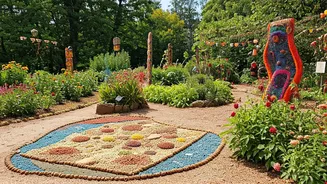
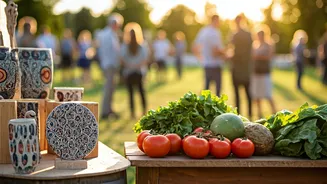
The festival’s promise of 'art and food' is an understatement. This isn't a staid gallery showing; it’s an explosion of creativity. Artisans from across the region display handcrafted textiles, pottery, and jewelry, their stalls buzzing with stories of their craft. You might see a puppetry show telling ancient folk tales with an environmental twist, or large-scale art installations made entirely from recycled materials, forcing attendees to reconsider the concept of waste. The food is a centerpiece of the experience. Forget generic festival fare. Here, stalls run by local farmers and women’s self-help groups serve traditional, organic dishes. Think ragi mudde (finger millet balls), savory lentil pancakes, and fresh-pressed sugarcane juice. It’s a culinary journey back to the roots, promoting indigenous grains and slow-food principles long before they became global trends. Each bite is a lesson in biodiversity and flavor.
The 'Heart' of the Habba
What truly sets the Earth Festival apart is its 'heart.' This isn't a passive event where you simply consume. It’s an invitation to participate. Tucked between the market stalls are hands-on workshops where children and adults alike can learn to make seed balls for guerilla gardening, try their hand at a potter’s wheel, or learn the basics of composting. Live folk music and dance performances fill the air, celebrating a cultural heritage deeply connected to the land. The atmosphere is one of collective joy and shared learning. It breaks down the often-intimidating barriers of the environmental movement, making sustainability feel accessible, tangible, and fun. It’s a space where activists, farmers, artists, families, and curious city dwellers mingle, united by a simple desire to celebrate the planet.
A Blueprint for Urban Reconnection
For an American audience accustomed to thinking of environmentalism in terms of policy debates, carbon credits, and technological fixes, Bengaluru’s Earth Festival offers a different model. It demonstrates the power of grassroots, culture-first activism. It proves that celebrating local traditions and empowering small-scale producers can be a potent form of environmental action. In a world of increasing urbanization and digital detachment, the Bhoomi Habba serves as a vital reminder of our connection to the physical world and to each other. It’s a blueprint for how any city, anywhere, can carve out space to honor the Earth not with anxiety, but with art, food, and a whole lot of heart. It shows that sometimes the most effective way to inspire change is to throw a really good party.