



1. The New Goal: From Decor to Dinner Plate
For years, the goal was to acquire the trendiest plant, get it to survive, and post a picture of its perfect, unblemished leaves. But as plant parents have grown more confident in their skills, their ambitions have expanded. The thrill of nurturing a plant is now
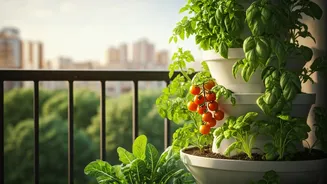
being topped by the satisfaction of harvesting from it. This shift represents a deeper connection to our food and a desire for self-sufficiency, even on a small scale. It’s a move from passive appreciation to active participation. Instead of just admiring a plant, growers want to snip fresh basil for their pasta, muddle homegrown mint for a drink, or slice a cherry tomato they watched ripen on the vine. This isn’t just gardening; it’s a tangible, delicious reward for your efforts.
2. Start with a Fail-Proof Herb Garden
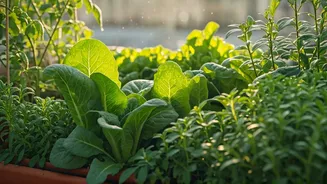
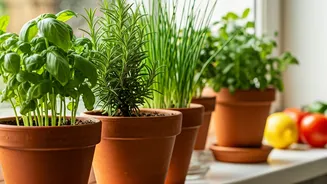
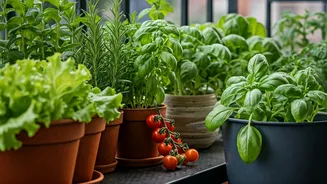
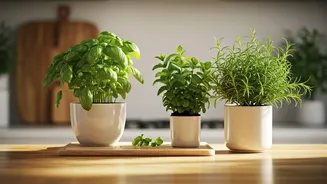
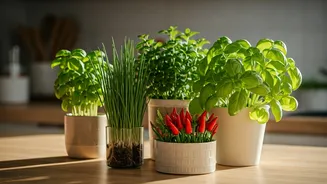
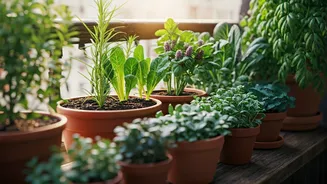
If you’re ready to make the leap to productive plants, herbs are the perfect entry point. They are relatively low-maintenance, thrive in containers, and offer an immediate return on investment. A small pot of basil on a sunny windowsill can save you from buying expensive plastic clamshells at the grocery store all summer. Mint is famously aggressive and nearly impossible to kill, perfect for teas and cocktails. Rosemary and thyme are hardy, drought-tolerant options that add incredible flavor to roasted dishes. Chives will regrow after you snip them, providing a constant supply of mild onion flavor for eggs and potatoes. The key is to choose herbs you genuinely love to cook with. This simple step transforms your plant collection from a static display into a dynamic, interactive kitchen resource.
3. Yes, You Can Grow Vegetables Indoors
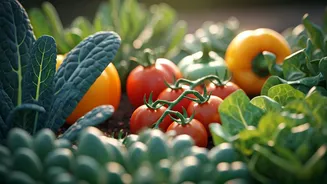
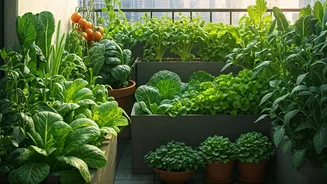
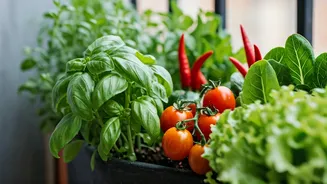
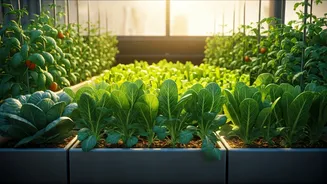
The idea of growing actual vegetables inside an apartment or house might seem ambitious, but it’s more achievable than ever thanks to compact and dwarf varieties bred specifically for container gardening. Micro-greens are the fastest win; you can have a harvest of nutrient-packed sprouts in under two weeks with just a shallow tray and a sunny spot. Salad greens like loose-leaf lettuce and spinach can be grown in window boxes, allowing for a “cut-and-come-again” harvest. For something more substantial, look for “patio” or “dwarf” varieties of tomatoes and peppers. These plants are bred to stay small and bushy while still producing a respectable amount of fruit. With a quality grow light, you can even sustain them through the darker winter months.
4. Beyond Edibles: The Functional Plant
“Results” don’t always have to be edible. Some of the most popular functional plants serve other useful purposes around the home. The classic example is aloe vera. It’s an attractive, easy-care succulent that doubles as a living first-aid kit; its gel can be used to soothe minor burns and skin irritations. Other plants are prized for their aromatic qualities. A pot of lavender or scented geranium can provide natural, calming aromatherapy, releasing its fragrance when you brush past it. Then there are the air-purifying powerhouses. While you’d need a true jungle to significantly scrub your home’s air, plants like snake plants and spider plants are famously resilient and efficient at filtering common indoor pollutants, making them a functional and beautiful addition to any room.
5. The Mindset Shift: Embracing Imperfection
One of the most liberating aspects of growing for results is that it frees you from the tyranny of aesthetic perfection. When a plant’s purpose is to be harvested, a yellowing leaf or a nibbled stem isn’t a sign of failure—it’s a sign of a plant that is living its life cycle. A tomato plant that gets leggy but is covered in fruit is a success. An herb pot that looks a bit shaggy from constant snipping is a sign of a well-loved kitchen tool. This mindset values utility over pristine looks. It encourages a more hands-on, less precious relationship with your plants. You’re not just a curator of a living museum; you’re a farmer, even if your farm is a few pots on a fire escape. The ultimate result is a deeper sense of accomplishment that no flawless, purely decorative leaf can ever provide.