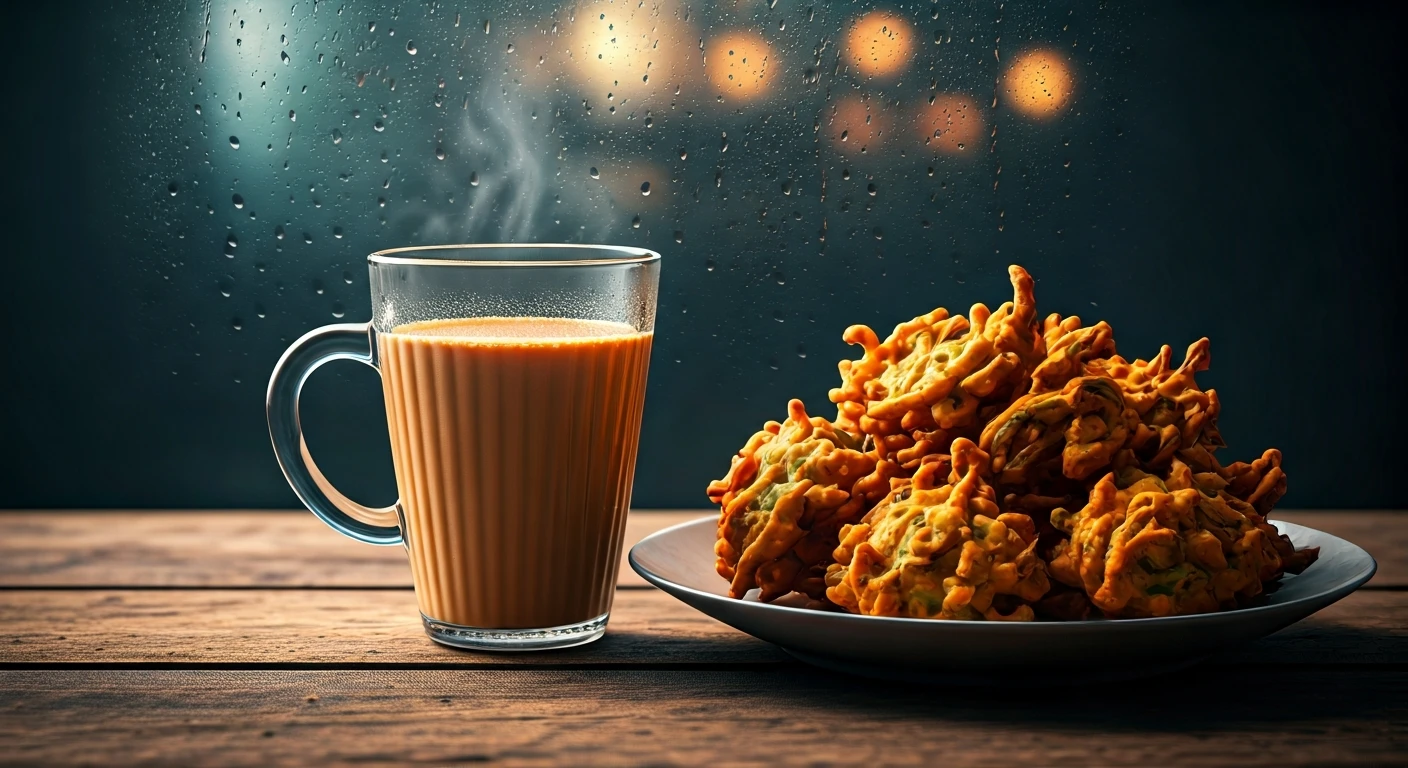


The Romantic Dream
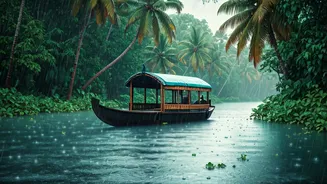
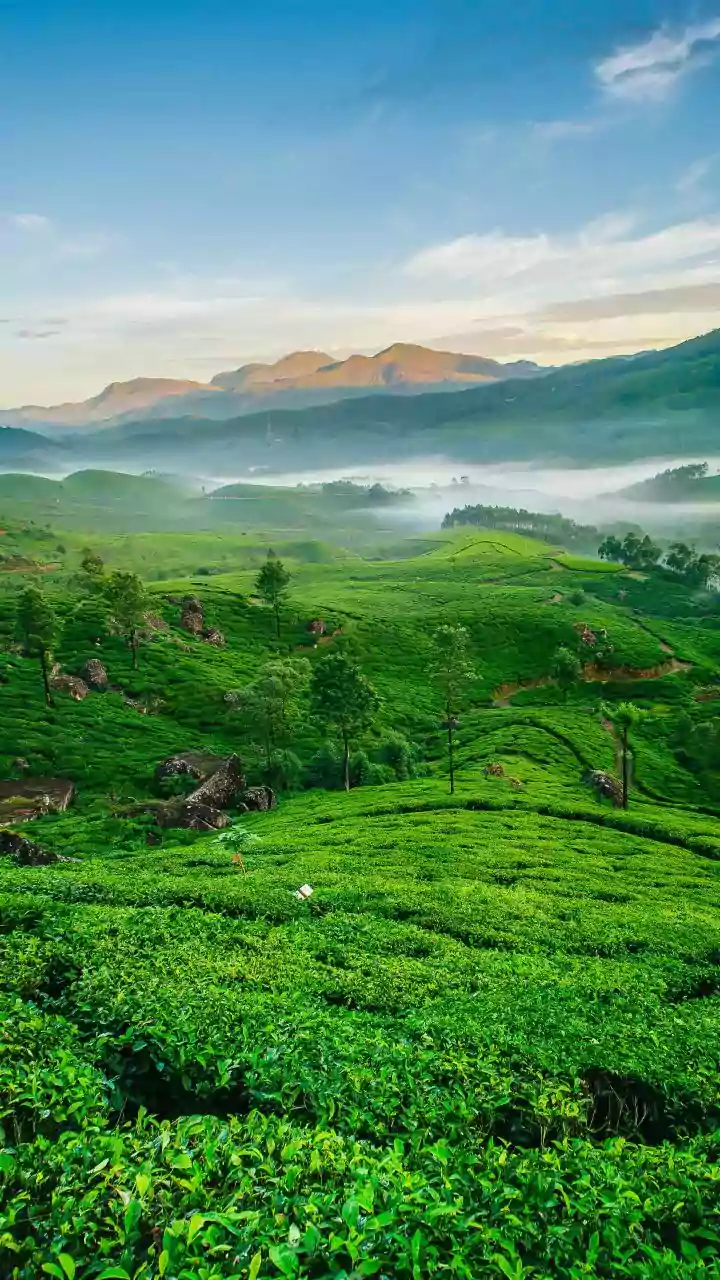
Let’s be honest: the fantasy is powerful. You’ve seen the photos. Kerala, “God’s Own Country,” transformed into a shade of green so intense it almost hurts your eyes. The backwaters are full, the waterfalls are roaring, and the scent of wet earth and cardamom
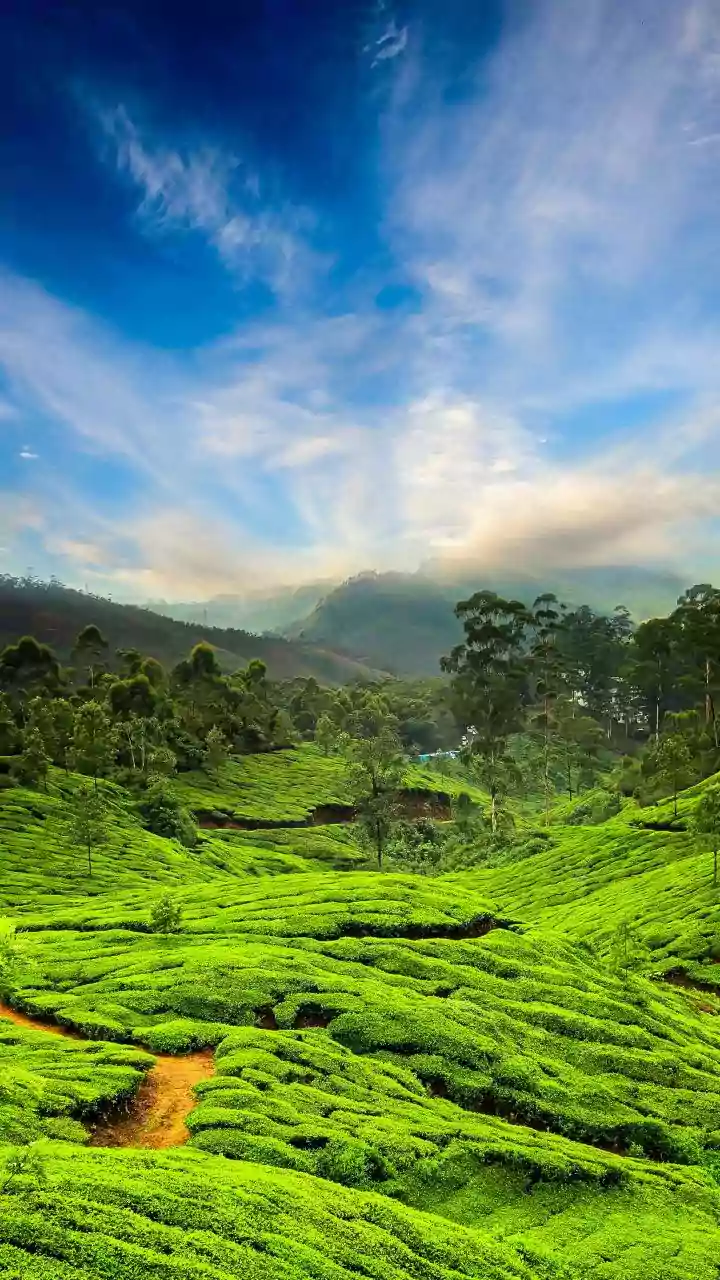
hangs in the air. Tamil Nadu’s ancient temple towers glisten under dramatic, cloudy skies. Fewer tourists mean you might have those ancient ruins or that serene tea plantation almost to yourself. Hotels drop their prices, and there’s a quiet, contemplative mood that you just don’t get during the peak winter season. This is the version of monsoon travel sold in brochures, and it is absolutely real. But it’s only half the story.
The Soaking Reality
When the monsoon “gets real,” it’s not a gentle, poetic drizzle. It’s a force of nature. We’re talking about torrential downpours that can last for days, turning roads into rivers and causing widespread disruption. In the hilly regions of Kerala, like Munnar or Wayanad, landslides are a genuine risk, often closing the winding roads that are the only way in or out. In coastal cities like Chennai in Tamil Nadu, urban flooding can bring the entire metropolis to a standstill. Your perfectly planned itinerary can be washed away in a single afternoon. That scenic train ride through the Western Ghats? It might be canceled. The drive to that remote beach? The road could be impassable. The reality is humidity that feels like a wet blanket, armies of mosquitos, and the constant, nagging possibility that you’ll be stuck in your hotel room, watching the rain. This isn’t to scare you off, but to prepare you: flexibility isn’t a suggestion, it’s a requirement.
Kerala: The Southwest Monsoon (June-September)
Kerala gets the first taste of India’s major southwest monsoon. By early June, the skies open up. For travelers, this is the time for specific, targeted experiences. The ancient Indian wellness practice of Ayurveda, for example, is considered most effective during the monsoon. The theory is that the cool, moist air opens the pores, making the body more receptive to herbal oils and treatments. Many flock to Kerala’s wellness resorts for this very reason. The famous backwaters are a spectacular sight, brimming with water and life. However, houseboat trips can be a mixed bag; while the scenery is stunning, you may spend much of it inside as the rain hammers down. If your goal is to hike, explore wildlife parks, or spend days on the beach, this is probably not the best time to visit. But for a slow-paced, restorative retreat centered on wellness and watching the world turn green, it can be magical.
Tamil Nadu: The Northeast Monsoon (October-December)
While Kerala is drying out, Tamil Nadu is just getting started. It gets most of its rainfall from the retreating northeast monsoon. This weather pattern behaves differently. It’s often characterized by shorter, more violent bursts of rain and cyclonic activity in the Bay of Bengal, which can hammer the coastline. Cities like Chennai and the former French colony of Pondicherry are particularly vulnerable to flooding. The magnificent temple towns of Madurai, Thanjavur, and Trichy take on a dramatic, moody character, but navigating between them can be a slog on wet, damaged roads. Unlike Kerala's consistent green blanket, the impact here can feel more localized and sudden. One day might be clear and sunny, the next could see a cyclone warning. This makes travel planning even more of a gamble. It’s a season for history buffs who don’t mind the rain, but a challenge for those hoping to cover a lot of ground.
So, Is It Worth It?
For the right kind of traveler, absolutely. If you are on a tight, two-week schedule to tick off as many sights as possible, the monsoon will likely be a source of immense frustration. But if you have time, patience, and the right mindset, it can be an unforgettable experience. This is travel for people who find beauty in a storm, who are happy to spend a day reading a book while the rain lashes down, and who are willing to trade convenience for atmosphere. Pack light, quick-drying clothes, a reliable waterproof jacket, and shoes you don’t mind ruining. Bring mosquito repellent. Book refundable hotels and transport where possible, and always have a Plan B. A monsoon trip to South India isn't about conquering a destination; it’s about surrendering to it.