




Start with a Kinder Cleanse
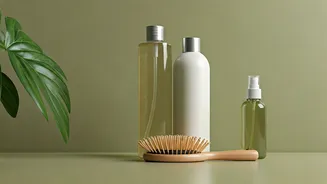
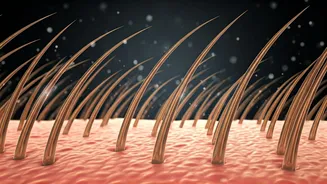
The battle against frizz begins in the shower, and your shampoo choice is the first line of defense. Many common shampoos contain harsh sulfates (like sodium lauryl sulfate) that, while effective at cleaning, can strip your hair of its natural oils. This
process lifts the hair's outer layer, the cuticle, which is a primary cause of frizz. For a smoother foundation, switch to a sulfate-free shampoo. These cleansers are gentler, removing dirt and product buildup without causing excessive dryness. When you wash, focus the shampoo on your scalp where oils accumulate and let the suds rinse down through the lengths of your hair. There’s no need to vigorously scrub your ends; this only encourages tangles and friction.
Condition with Intention
If shampoo sets the stage, conditioner is the star of the hydration show. Frizzy hair is often just thirsty hair. A good conditioner replenishes moisture and helps seal the cuticle that the washing process may have disturbed. But application is everything. After rinsing out your shampoo, gently squeeze excess water from your hair. Applying conditioner to sopping wet hair dilutes its effectiveness. Work a generous amount from the mid-lengths to the ends, which are the oldest and typically driest parts of your hair. Avoid applying it directly to your roots, which can weigh hair down. Let it sit for a few minutes before rinsing with cool water—the cold helps to further seal the cuticle for extra shine and smoothness.
Rethink Your Towel
One of the biggest culprits of frizz happens the moment you step out of the shower. Vigorously rubbing your hair with a traditional terrycloth towel is a recipe for disaster. The rough texture creates friction that ruffles the hair cuticle, leading to immediate frizz and potential breakage. It’s time for an upgrade. Switch to a microfiber towel or, for an even more accessible option, a simple cotton t-shirt. Instead of rubbing, use a gentle scrunching or blotting motion to absorb excess water. This simple swap dramatically reduces friction, keeping your hair’s cuticle smooth and your styling efforts on track from the very beginning.
Layer Your Styling Products
For truly frizz-proof hair, layering products on damp (not sopping wet) hair is a non-negotiable step. Think of it as a tailored defense system. The goal is to lock in moisture and create a barrier against humidity. 1. Leave-In Conditioner: Start with a lightweight leave-in conditioner to provide a base layer of moisture and make detangling easier. 2. A Styler (Cream or Mousse): Next, apply a styling product. For curly or wavy hair, a curl cream will help define your pattern and fight frizz. For straighter hair, a smoothing cream or lightweight mousse can provide control and hold without weighing hair down. 3. A Sealant (Oil or Serum): Finally, apply a sealing product. A few drops of hair oil or a silicone-based serum will lock in all the moisture from the previous steps and create a protective shield against humidity. Focus this on the ends and mid-lengths.
Master the Drying Process
How you dry your hair is just as important as the products you use. The golden rule: hands off! Constantly touching and fussing with your hair as it dries will disrupt your curl or wave pattern and create frizz. If you’re air-drying, arrange your hair how you want it and then leave it alone until it’s completely dry. If you use a blow dryer, always attach the concentrator nozzle to direct the airflow down the hair shaft, which helps keep the cuticle flat. For curly hair, a diffuser is your best friend. Use it on a low-speed, low-heat setting, gently cupping sections of hair to dry them without blowing them around. Once your hair is 100% dry, you can gently scrunch out any cast from your styling products to reveal soft, defined, frizz-free hair.