




Why 'Pet-Safe' Is a Non-Negotiable
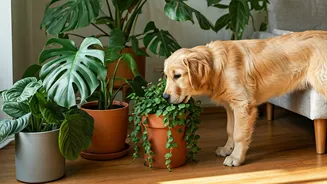
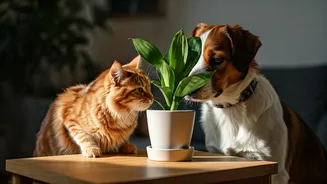
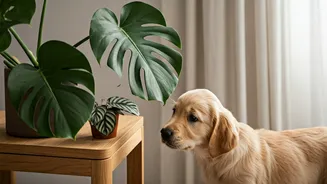
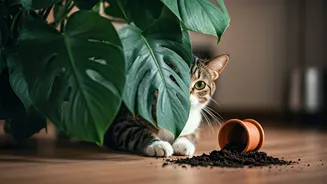
For curious cats and dogs, a new houseplant can look like a fascinating toy or a tasty snack. Unfortunately, many of the most popular and aesthetically pleasing plants contain compounds that are toxic to our furry companions. Ingesting them can lead to a range
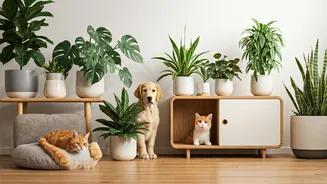
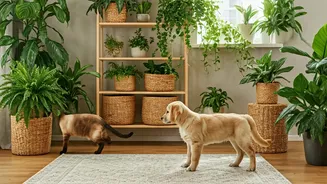
of symptoms, from mild stomach upset, drooling, and vomiting to more severe and life-threatening conditions like kidney failure, tremors, or heart problems. The peace of mind that comes from knowing your decor won't send you rushing to an emergency vet is invaluable. Choosing non-toxic plants from the start eliminates this risk and creates a truly harmonious environment where both your design sense and your four-legged family members can thrive.
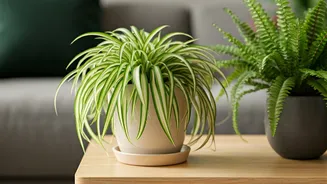
Top Pick: Spider Plant (Chlorophytum comosum)
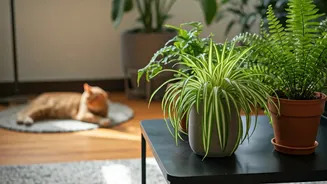
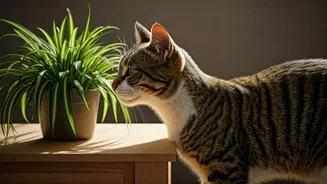
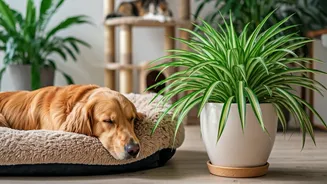
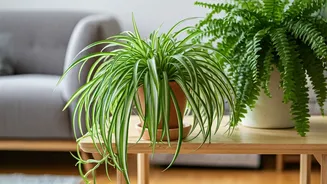
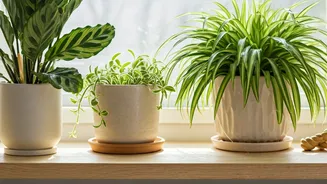
The Spider Plant is the MVP of pet-friendly greenery for a reason. Not only is it completely non-toxic to both cats and dogs, but it’s also famously easy to care for and an excellent air purifier. Its long, arching leaves and the little “spiderettes” that dangle from the mother plant can be an irresistible, and perfectly safe, temptation for a playful cat. They are adaptable to a wide range of light conditions (though they prefer bright, indirect light) and are forgiving if you occasionally forget to water them. Hang one in a basket to create a beautiful cascade of green that’s both stylish and safely out of a puppy’s direct reach.
Tropical Elegance: Parlor Palm (Chamaedorea elegans)
If you want to add a touch of lush, tropical flair to your space, the Parlor Palm is an excellent and elegant choice. These palms are slow-growing, thrive in lower light conditions typical of many American homes, and are completely safe for pets. Their feathery, arching fronds add a dose of drama and sophistication to a living room corner or home office. Unlike the Sago Palm, which is extremely toxic, the Parlor Palm offers a similar aesthetic without any of the danger, making it the perfect substitute for creating that resort-like feel at home.
Stunning Foliage: Calathea 'Prayer Plant' (Calathea spp.)
Calatheas are showstoppers. Known for their intricate, beautifully patterned leaves in shades of green, pink, and purple, they bring artistry to any plant collection. The common name 'Prayer Plant' comes from the fascinating way their leaves fold up at night, like hands in prayer. This entire genus is non-toxic to pets, so you can collect different varieties without worry. They do require a bit more attention—preferring higher humidity and consistently moist soil—but the visual payoff is more than worth the effort for a plant that doubles as a piece of living art.
Classic & Full: Boston Fern (Nephrolepis exaltata)
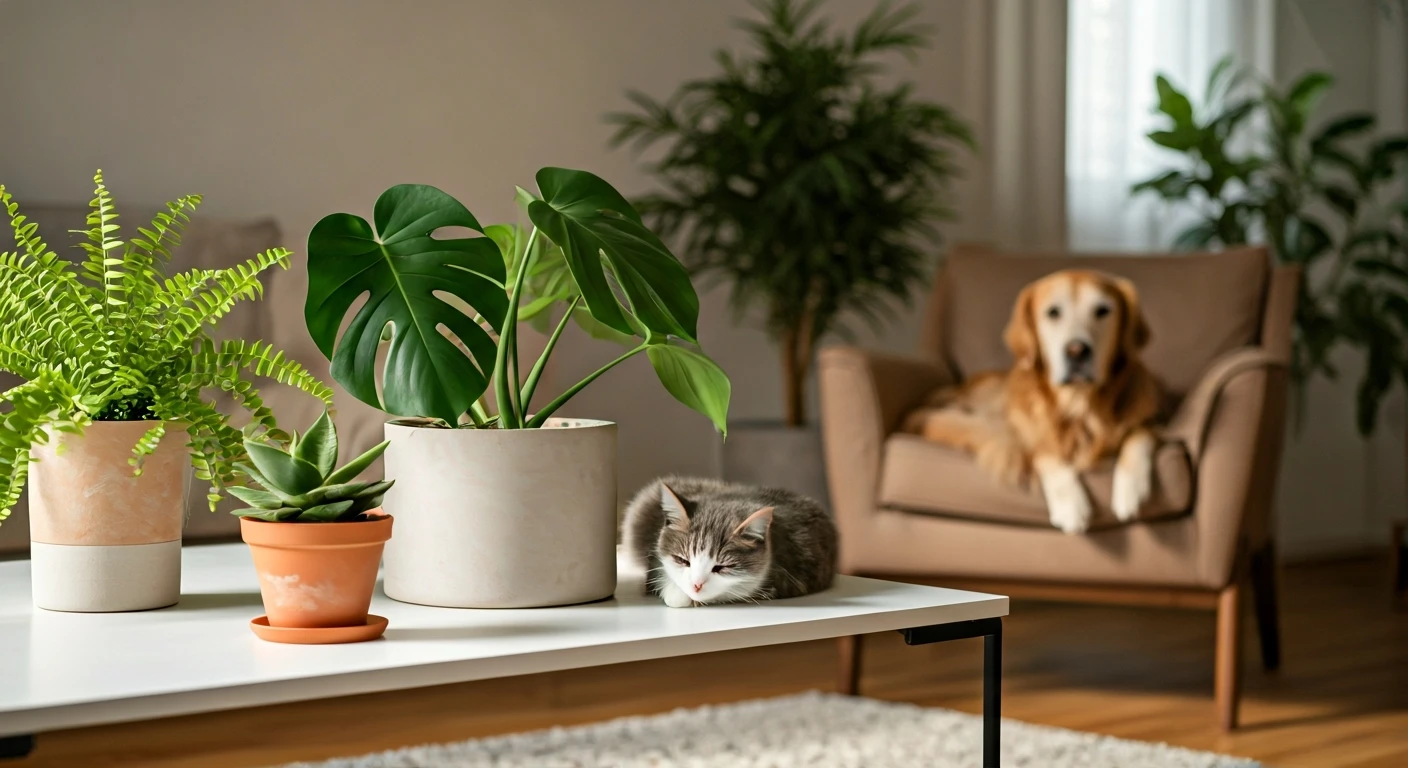
With its dense, shaggy fronds, the Boston Fern is a classic for a reason. It adds a full, verdant look to any room and is especially well-suited for bathrooms or kitchens where it can soak up the humidity. These ferns are completely non-toxic, so if your cat decides to bat at its cascading leaves, there’s no cause for alarm. They look fantastic on a plant stand or in a hanging planter, which also helps keep their delicate fronds from being trampled by a clumsy dog. They are a timeless choice for adding texture and a deep green hue to your home.
Popular Plants You Must Avoid
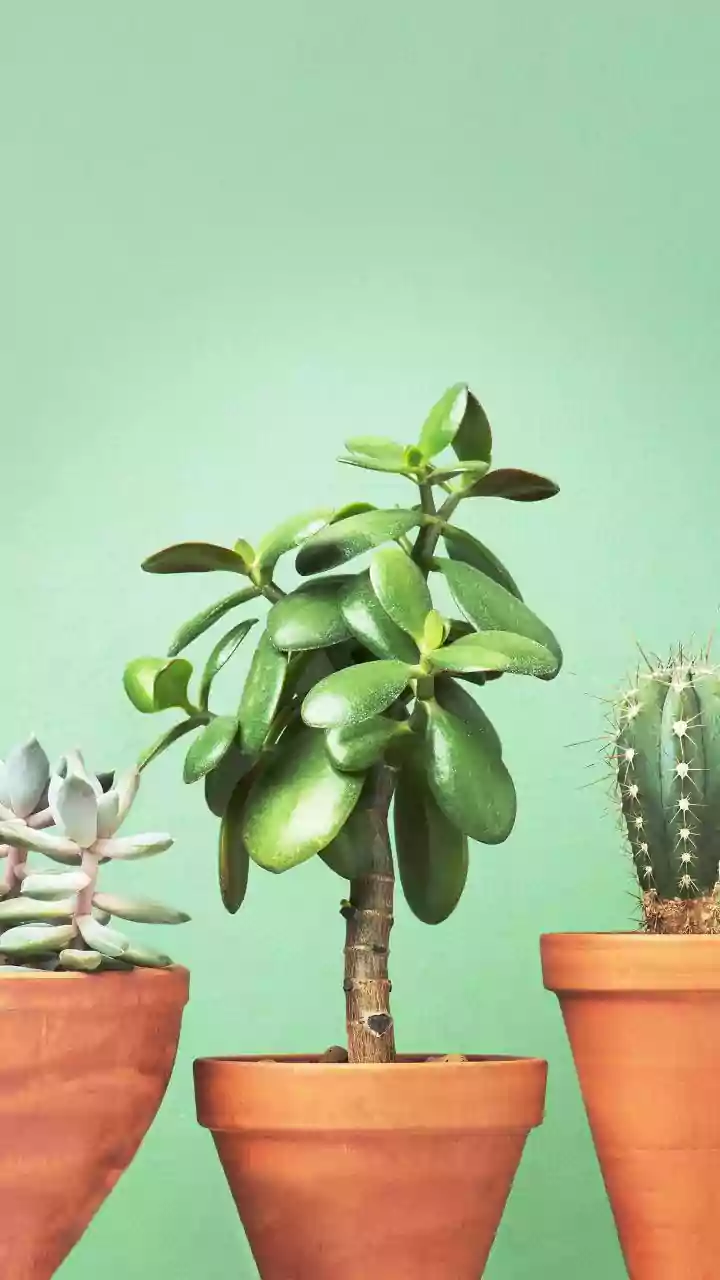
Just as important as knowing what to buy is knowing what to leave at the nursery. Many trendy houseplants are unfortunately hazardous. Lilies (all parts of the plant) are extremely toxic to cats and can cause fatal kidney failure. The trendy Fiddle Leaf Fig, Snake Plant, and ZZ Plant can all cause oral irritation, pain, and vomiting. Pothos and Philodendrons contain insoluble calcium oxalates that can cause intense burning in the mouth. And the Sago Palm is one of the most dangerous of all, with ingestion often leading to liver failure and death. Always check the ASPCA's official plant list before bringing a new plant home.