





So, What Exactly Is a Tiffin?
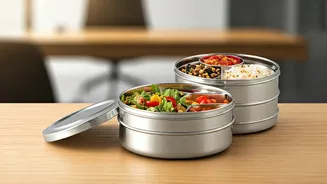
If you’ve scrolled through food-focused social media lately, you’ve likely seen them: sleek, stacked metal containers, unlatched to reveal a vibrant, perfectly organized meal. This is the tiffin. Originating in India, a tiffin (or dabba) is a type of
lunch box consisting of two or more stacking compartments, held together by a latching mechanism. For over a century, Mumbai’s famed dabbawalas have used these containers to deliver hot, home-cooked meals to office workers across the city. Now, this time-tested design has gone viral in the U.S. for a new generation. Stripped of its delivery network but not its ingenuity, the tiffin is being embraced as the ultimate anti-sad-desk-lunch tool. It’s more than just a container; it’s a system designed for a better meal.
The End of the Soggy Sandwich
Why the sudden craze? Because the tiffin solves the most common lunch-packing problems. Its multi-layered design is its superpower. Each compartment is a self-contained unit, meaning your wet ingredients never touch your dry ones. Your curry stays separate from your rice, your salad greens remain crisp away from the dressing, and your crunchy toppings don’t get soggy. It’s the secret to packing meals that taste like they were just assembled, even hours later. Beyond just preventing sogginess, tiffins encourage variety and portion control. Instead of one large, monolithic meal, you can pack a mini-feast of different components. This built-in separation also dramatically cuts down on plastic waste. No more handfuls of small plastic bags or single-use containers. The stainless steel construction is durable, easy to clean, and endlessly reusable.
The Art of the Stack: How to Pack It
Packing a tiffin is less about a recipe and more about a strategy. Think in layers, from the bottom up: 1. The Base Layer (Bottom): This tier is ideal for your sturdiest, heaviest, or potentially messiest item, as it's the most secure. Think grains like rice or quinoa, a hearty lentil soup, a thick curry, or pasta. 2. The Protein & Veggie Layer (Middle): The middle tiers are for your main components. This could be grilled chicken, roasted vegetables, a sturdy salad (without the dressing), tofu, or fish. 3. The Delicate Layer (Top): The top container is perfect for anything you want to protect. Fresh greens, delicate fruits, bread or crackers, a yogurt parfait, or a side of nuts and seeds go here. This is also the ideal spot for sauces and dressings in a smaller, separate container to be added just before eating.
Tiffin Inspiration for Your Week
The possibilities are endless, but here are a few ideas to get you started: * Deconstructed Burrito Bowl: Pack black beans and seasoned rice in the bottom tier, grilled chicken or fajita veggies in the middle, and a mix of shredded lettuce, cheese, and a small container of salsa or guacamole on top. * Mediterranean Mezze: Start with a layer of couscous or quinoa. Add a middle layer of hummus and falafel. Use the top tier for fresh cucumber, cherry tomatoes, and a few pita wedges. * Indian Thali-Style: A classic for a reason. Place a serving of vegetable curry or dal in the bottom container, fluffy basmati rice in the next, and a refreshing raita (yogurt dip) or a small salad in the top compartment. * Noodle Bowl Kit: Pack cooked ramen or soba noodles at the bottom. In the middle, place sliced mushrooms, edamame, and a soft-boiled egg. Keep your broth in a separate thermos and your toppings (like sliced scallions and sesame seeds) in the top tier.
Finding the Right Tiffin
Ready to join the movement? When shopping for a tiffin, you'll find they typically come in two, three, or four tiers. A two- or three-tier model is usually perfect for a standard lunch. Look for high-quality, food-grade stainless steel, which won't retain odors or stains. Some modern versions come with silicone seals for extra leak-proofing, which is a great feature if you plan on packing soups or curries. While some are dishwasher-safe, most are incredibly easy to wash by hand. You can find them at a variety of price points from online retailers like Amazon, specialized eco-friendly shops, or even in the international aisle of a large supermarket.