


First, What Is Chaat?
The word ‘chaat’ comes from the Hindi verb ‘chaatna,’ which means ‘to lick.’ It’s a fitting name for a category of savory snacks so delicious you’ll want to lick the plate clean. While there are countless regional varieties, most chaats share a common
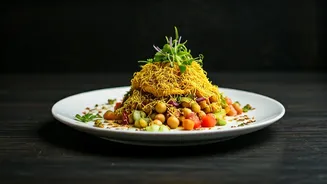
architecture. They typically start with a crispy base—like puffed rice, fried dough wafers (papdi), or a smashed samosa—and are then piled high with potatoes, chickpeas, yogurt, and a symphony of chutneys. The result is a multi-layered explosion of flavor in every bite. It’s not one single dish but a whole universe of snacks defined by this complex, crave-able flavor profile.
The 'Snack Regret' Factor
So where does the “regret” come in? Traditionally, many chaat components are deep-fried. The crispy 'puri' in pani puri, the 'sev' (crunchy chickpea flour noodles) sprinkled on top, and the samosas or 'aloo tikkis' (potato patties) that form the base of other chaats are all classic examples. When you combine these fried elements with sweet, sugar-laden tamarind chutneys and sometimes heavy, full-fat yogurt, the calories, sodium, and fat content can add up quickly. It’s the kind of snack that can leave you feeling sluggish rather than satisfied, turning a delightful treat into a source of post-snack remorse.
The Nourishing Chaat Blueprint
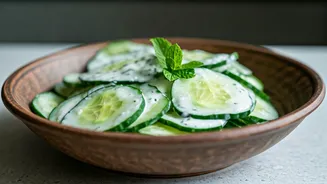
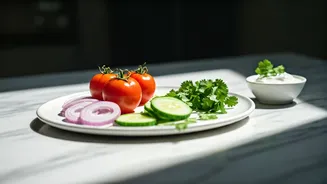
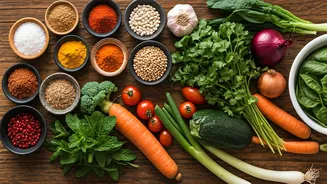
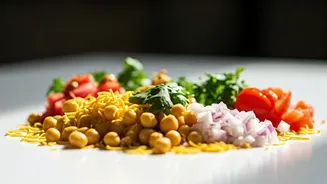
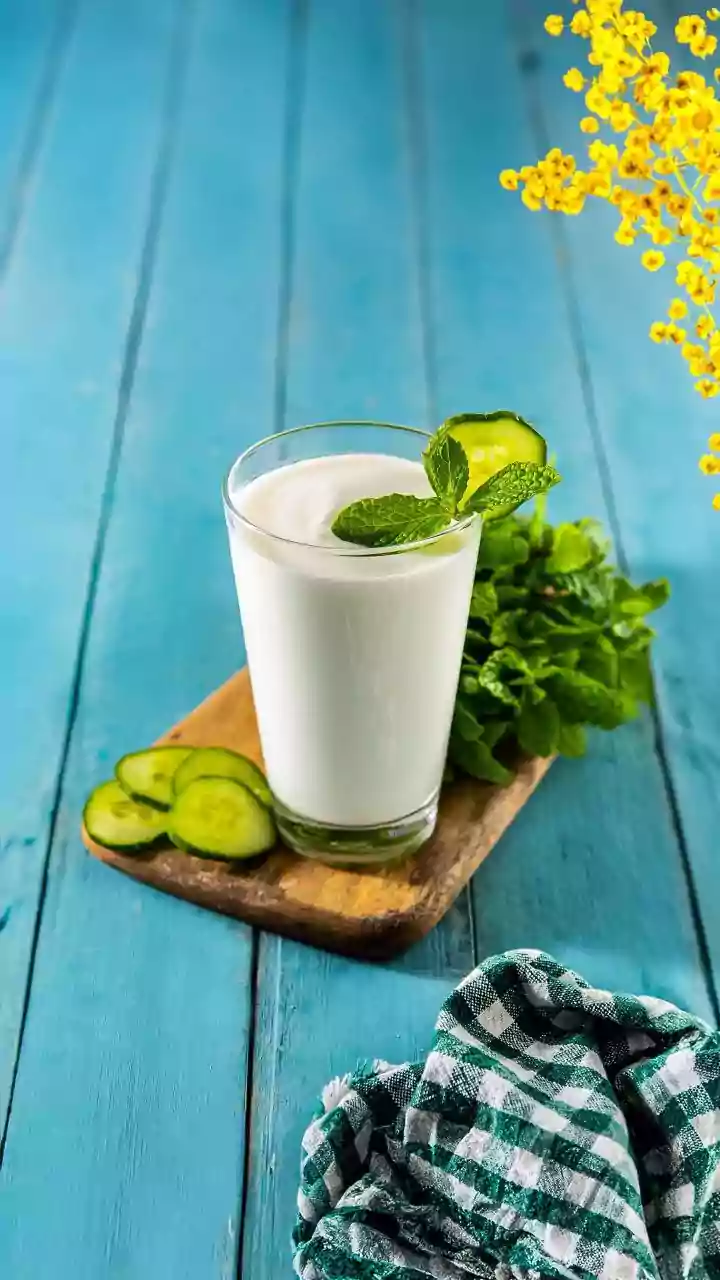
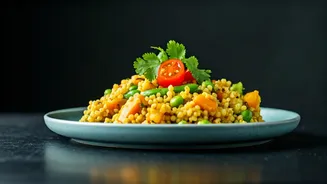
The beauty of chaat is its customizability, which makes a healthy makeover surprisingly simple. By rethinking the core components, you can build a version that’s packed with nutrients and flavor. Start with the base: swap deep-fried elements for baked or air-fried versions. Baked papdis, whole-wheat crackers, or even a bed of quinoa can provide that necessary crunch without the excess oil. Next, load up on the good stuff. Instead of just potatoes, add a generous helping of sprouted lentils, black beans, or chickpeas for a boost of protein and fiber. Pile on finely chopped fresh vegetables like cucumber, tomatoes, and onions for freshness and vitamins. For the dressing, choose plain Greek yogurt over full-fat versions for a creamy, protein-rich topping. Finally, master your chutneys. A cilantro-mint chutney is already packed with fresh herbs, and you can make a tamarind-date chutney at home with far less sugar than store-bought varieties.
Three Chaats to Try, Remixed
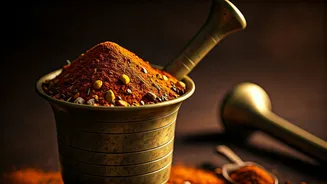
Ready to put this into practice? Here are a few popular chaats and how to give them a nourishing twist. 1. **Bhel Puri:** This is one of the easiest chaats to make healthier. Bhel Puri is based on puffed rice, which is already light. Just be sure to load it up with more chopped vegetables (onions, tomatoes, raw mango) than the crunchy fried sev. A squeeze of lemon juice and a sprinkle of fresh cilantro are all you need to finish it. 2. **Sprout Chaat:** This one is practically a health food by design. It uses sprouted mung beans (moong) as its base, which are incredibly rich in protein and nutrients. Simply mix the sprouts with chopped vegetables, a sprinkle of 'chaat masala' spice blend, and a drizzle of lime juice. It’s a powerhouse salad disguised as a crave-worthy snack. 3. **Aloo Tikki Chaat:** This is traditionally one of the heavier chaats. The 'aloo tikki' is a fried potato patty. To lighten it, make your patties with a mix of sweet potato and regular potato, add some peas for fiber, and either pan-fry them with minimal oil or bake them in the oven until crisp. Top with Greek yogurt and fresh chutneys for a satisfying but balanced meal.