



Beyond Paleo: What Is Ancestral Eating?
You’ve likely heard of the Paleo diet, which focuses on foods presumed to be available to our Paleolithic ancestors. But ancestral eating is a broader, more flexible philosophy. It’s less a strict diet and more a framework for making food choices. The
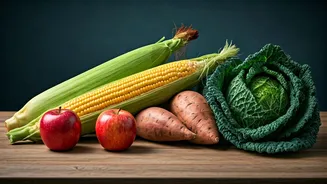
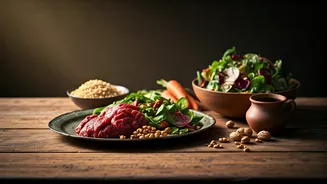
central idea is to prioritize whole, nutrient-dense foods that have been part of the human diet for millennia, while minimizing or eliminating modern, ultra-processed products that emerged with industrial agriculture. Think of it as a historical filter for your grocery list. Instead of counting calories or macros, you ask if a food would be recognizable to your great-great-grandparents. This approach favors things like grass-fed meats, wild-caught fish, seasonal fruits and vegetables, and fermented foods. It’s built on the belief that our bodies are best adapted to the kinds of nourishment we evolved with over thousands of years, not the refined sugars, industrial seed oils, and chemical additives that dominate modern shelves.
The Guiding Principles on the Plate
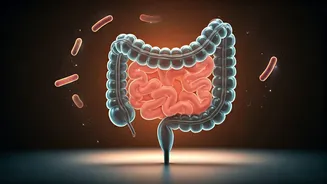
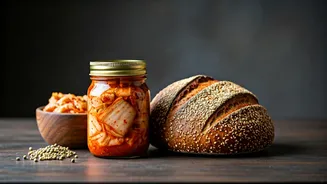
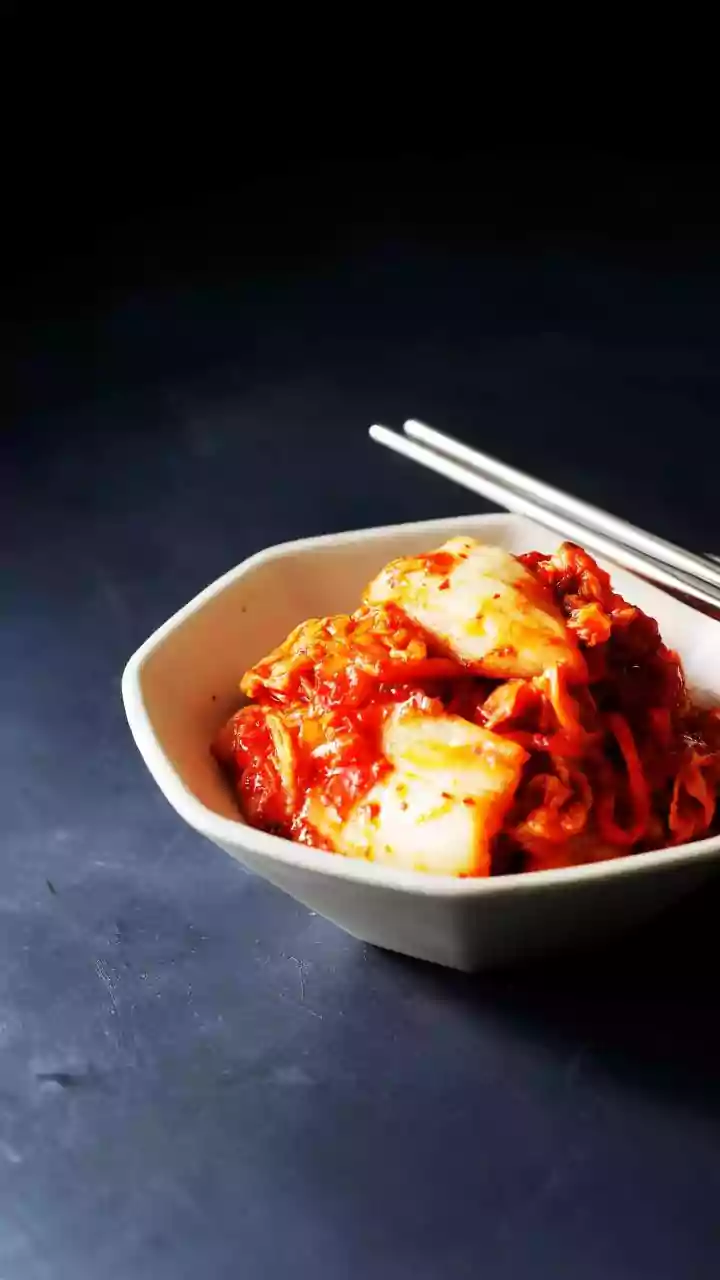
While not a rigid set of rules, several core tenets unite followers of ancestral eating. First is a focus on whole foods in their natural state. This means an apple, not apple juice from concentrate; a steak, not a highly processed sausage with fillers. Another key principle is 'nose-to-tail' eating, which encourages consuming all parts of the animal, including organ meats and bone broth. This approach, common in traditional cultures, maximizes nutrient intake and minimizes waste. Fermented foods like kimchi, sauerkraut, and kefir are also staples, celebrated for their probiotic benefits and role in gut health. Conversely, the diet heavily discourages modern inventions like refined seed oils (canola, soybean, corn), high-fructose corn syrup, and artificial ingredients. The goal isn't to perfectly replicate a caveman’s diet but to adopt the principles of pre-industrial food wisdom.
Why We're Craving the Past
The rise of ancestral eating isn't just about nutrition; it's a cultural reaction. For many, it’s a response to a confusing and often contradictory wellness landscape. Faced with an endless parade of 'superfoods' and conflicting dietary advice, the simplicity of 'eat real food' has a powerful appeal. It represents a way to reclaim control in a food system that feels increasingly opaque and industrialized. There's also a romantic element to it—a desire to reconnect with nature, tradition, and a more intuitive way of living. In an era of screen time and convenience, the act of preparing a meal from simple, whole ingredients can feel grounding. It taps into a growing distrust of large-scale food production and a yearning for authenticity, sustainability, and a tangible link to where our food comes from.
What Modern Science Says
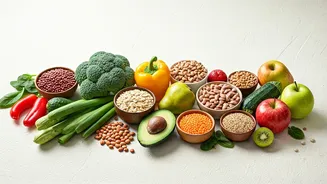
From a nutritional standpoint, the ancestral framework gets a lot right. Most dietitians would agree that a diet rich in whole foods, lean proteins, and vegetables, while low in processed sugar and junk food, is a recipe for good health. Emphasizing unprocessed foods is one of the most consistent pieces of advice across nearly all dietary theories. However, experts caution against romanticizing the past. For one, our actual ancestral diets were incredibly diverse depending on geography and season—there was no single 'ancestral' menu. Furthermore, our ancestors had much shorter, harder lives; their diet was about survival, not optimizing for an 80-year lifespan. Critics also point out that avoiding entire food groups like legumes and whole grains, which are staples in some of the world's healthiest modern populations, may be unnecessarily restrictive. The scientific consensus is that while the principles are sound, a dogmatic adherence isn't necessary for good health.