
Beyond the White Box
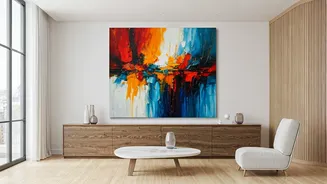
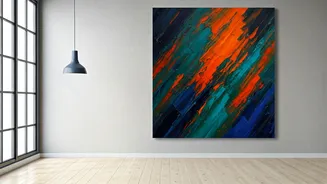
Minimalism, as a design philosophy, has always been about intention. It’s a conscious rejection of clutter in favor of clarity. For much of the last decade, this was interpreted through a starkly monastic lens: bare surfaces, neutral palettes, and an almost
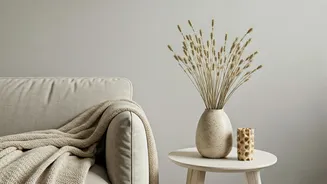
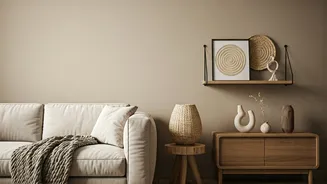
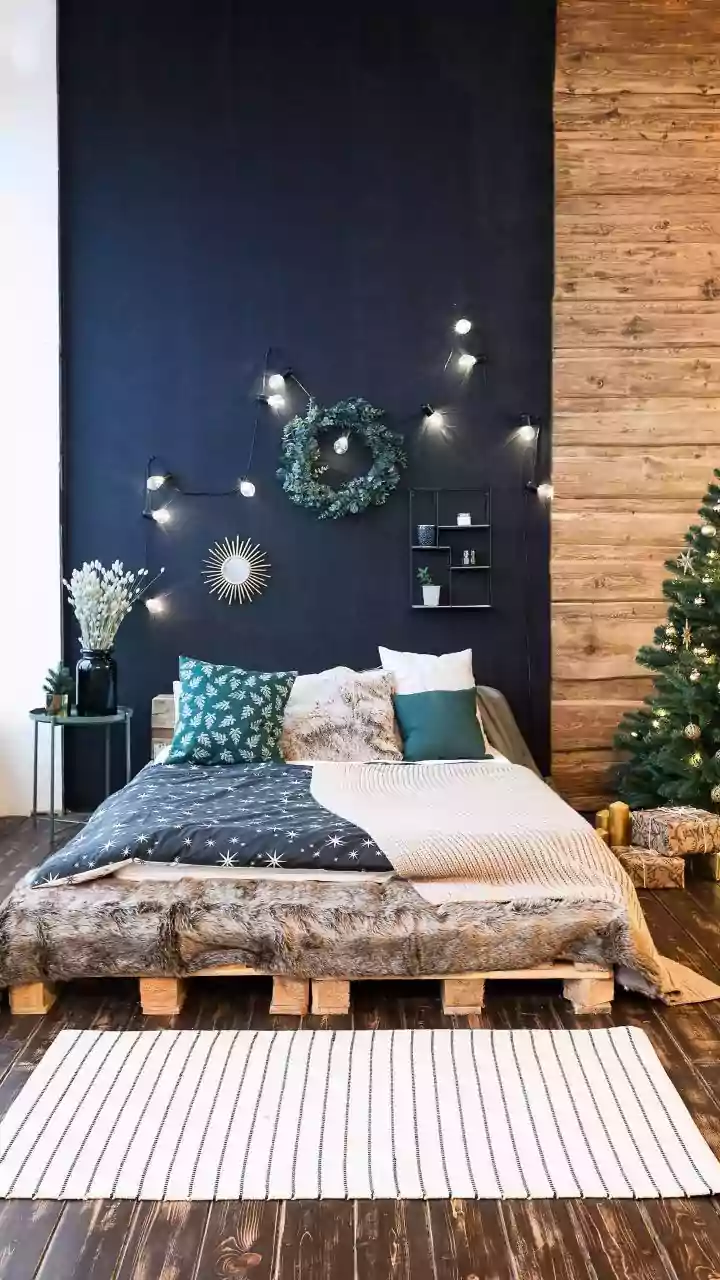
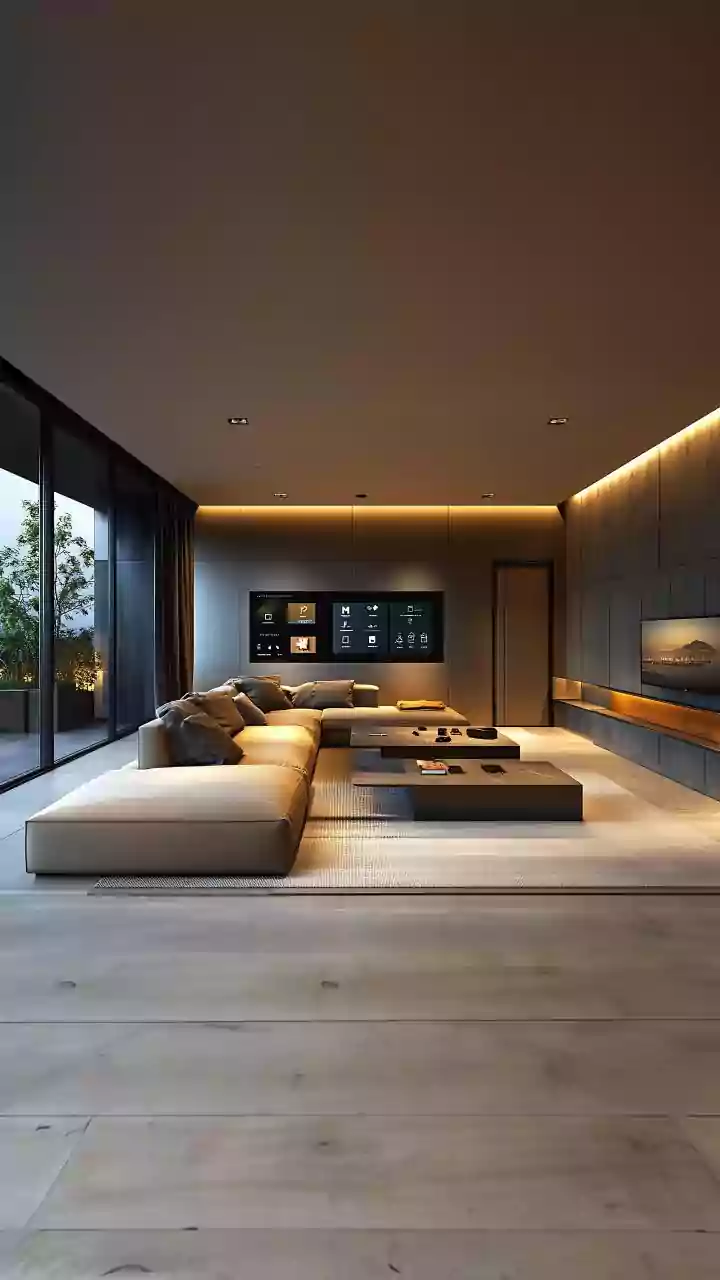
clinical absence of personal effects. While the serenity of this approach is undeniable, many have found that living in a perfectly curated, impersonal space can feel less like a sanctuary and more like a waiting room. Enter the evolution: warm minimalism. This isn't a rejection of the core principles of simplicity and function. Instead, it’s an expansion. It acknowledges that a home should not only be visually calm but also emotionally resonant. The movement re-centers minimalism on its original promise—to make room for what truly matters. And increasingly, what matters are objects that carry meaning, texture, and a human touch.
The Soul of Craft-Led Decor
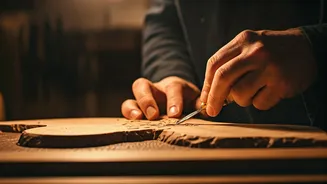
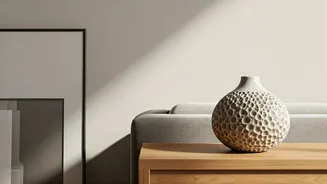
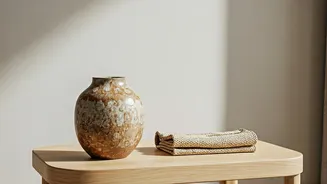
So, what exactly is 'craft-led' decor? It's more than just something handmade. It’s an object where the maker's hand is still visible, where the material itself has a voice. Think of a ceramic mug with the faint imprint of the potter's fingers, a hand-carved wooden bowl where the grain tells a story, or a woven wall hanging with natural, imperfect fibers. These items stand in direct opposition to mass-produced, identical objects that fill so many homes. Craft-led pieces are imbued with narrative. They have a point of origin, an artist, and a process. Whether it’s a quilt passed down through generations or a piece of pottery you bought directly from an artist at a local market, the object serves as a physical anchor for a memory or a connection. It’s decor that does more than just occupy space; it populates it with meaning.
An Antidote to Digital Emptiness
In a world saturated with digital interfaces and ephemeral content, the appeal of tangible, unique objects is stronger than ever. The smoothness of a hand-sanded table, the weight of a hand-thrown vase, the texture of a hand-loomed blanket—these sensory experiences ground us in the physical world. A minimalist environment, by its very nature, provides the perfect stage for these special items. When a room is uncluttered, a single, beautiful object doesn’t have to compete for attention. It can be fully appreciated. A unique, sculptural lamp isn’t just a light source; it’s a piece of functional art. A single, exquisite bowl on a coffee table isn’t clutter; it’s a focal point. This approach transforms the act of decorating from one of accumulation to one of careful curation. Each item is chosen not just for its function but for its soul.
How to Weave in the Story
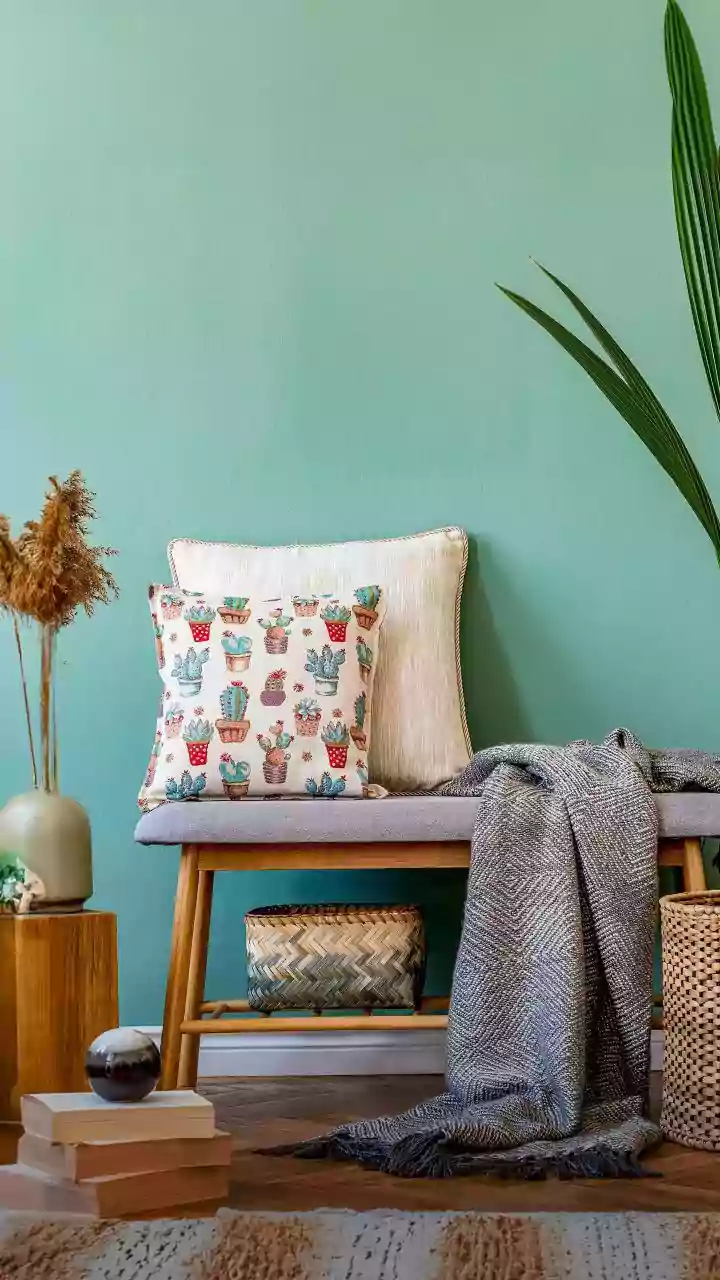
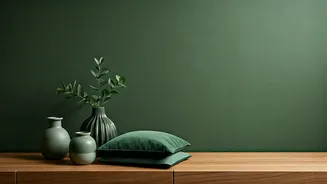
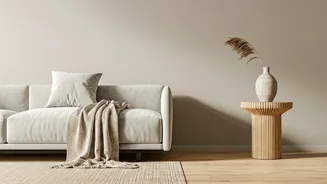
Integrating craft into a minimalist home doesn't require a radical overhaul. It’s a gentle, piece-by-piece process guided by personal taste. Start by replacing a generic item with a meaningful one. Swap a factory-made fruit bowl for one from a local ceramicist. Instead of a standard-issue throw pillow, seek out a cover made from hand-dyed textile. Focus on materials that add warmth and texture. Natural wood, wool, clay, linen, and glass soften the hard edges of modern architecture. Prioritize the story behind the object. Did you find it on a memorable trip? Does it remind you of a person you love? Was it made by an artist whose work you admire? Let these narratives guide your choices. The goal isn't to fill your home, but to fill it with things that reflect you. In this way, the space becomes a quiet gallery of your own life, where every piece has earned its place.