


Tires: Your First and Last Line of Defense
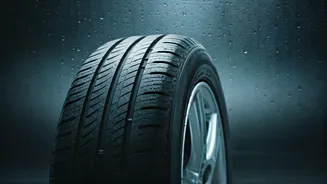
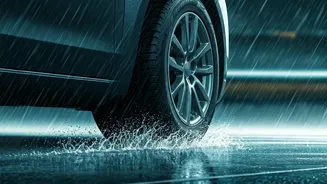
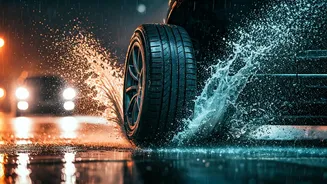
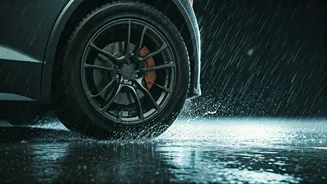
Your tires are the only part of your car that actually touches the road, and in the rain, their job gets exponentially harder. The primary risk is hydroplaning, a phenomenon where a layer of water builds between the tire and the road surface, causing
a complete loss of traction and control. It can happen at speeds as low as 35 mph with worn tires. The deep grooves in a healthy tire are designed to channel water away, but they can't do their job if the tread is worn down. The old “penny test” is still a good rule of thumb: place a penny upside down in a tread groove. If you can see all of Abraham Lincoln's head, your treads are too shallow (below 2/32 of an inch) and it's time for new tires. Proper inflation is just as crucial. An underinflated tire can’t maintain its optimal shape, reducing its ability to displace water effectively.
Wipers: More Than Just a Squeegee
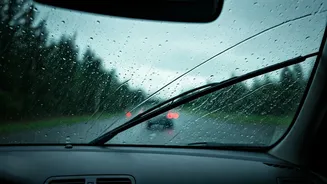
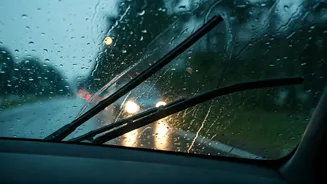
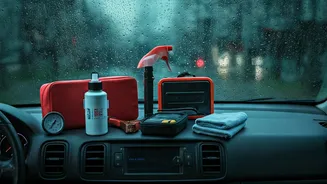
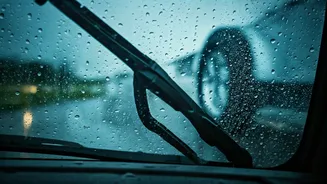
Visibility is paramount in a storm, and your windshield wipers are your first tool to maintain it. But we often neglect them until we're caught in a downpour, squinting through a smeary, streaky mess. Wiper blades are made of rubber, which degrades over time due to sun exposure, heat, and dirt. Experts recommend replacing them every six to twelve months. Signs of failing wipers include chattering sounds as they move, streaks left behind, or areas of the windshield that are missed entirely. It’s not just the blade; the wiper fluid reservoir should always be topped off with a proper cleaning solution, not just water. This helps break down road grime and bugs that can create a dangerous film when mixed with rain.
Brakes: The Physics of Stopping on Water
Wet roads mean longer stopping distances—that’s a given. But the rain actively works against your braking system. A thin layer of water on your brake rotors and pads can momentarily reduce their initial “bite” when you first press the pedal. While modern braking systems recover almost instantly, that split-second delay can be critical in an emergency. Furthermore, if you drive through deep standing water, your brakes can become soaked, significantly reducing their effectiveness until they dry out. After passing through a large puddle, it's a good practice to lightly tap your brakes a few times to help shed the water and restore normal performance. Remember, the effectiveness of your brakes is ultimately dependent on the grip of your tires, reinforcing just how interconnected these systems are.
Lights: The Art of Seeing and Being Seen
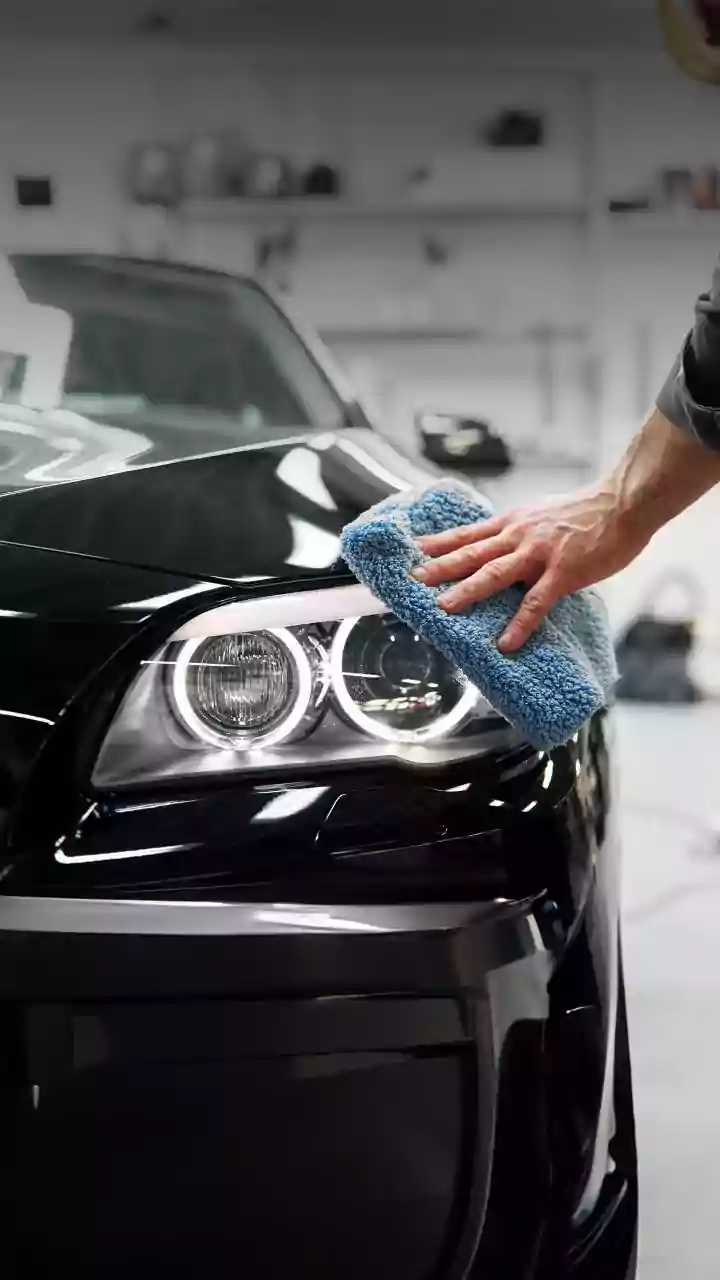
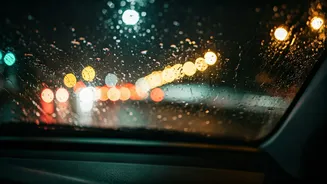
When the sky is gray and rain is falling, your car's lights aren't just for helping you see the road—they’re for helping other drivers see you. Many states have laws requiring headlights to be on whenever wipers are in use, and it's a wise safety practice everywhere. But just flipping the switch isn't enough. Over time, the plastic covers on modern headlights can become yellowed and hazy from UV exposure, dramatically reducing the amount of light that gets through. This can cut your effective visibility range by half. Thankfully, headlight restoration kits are inexpensive and effective. Take a moment to walk around your car and ensure all lights—headlights, taillights, brake lights, and turn signals—are functioning properly.
Electronics: When Smart Tech Gets Confused
Modern vehicles are packed with Advanced Driver-Assistance Systems (ADAS) that rely on a suite of cameras and sensors, often mounted in the windshield or front grille. These systems control features like adaptive cruise control, lane-keeping assist, and automatic emergency braking. Heavy rain can easily overwhelm them. Water droplets on a camera lens or a sheet of water kicked up by the car in front can obstruct a sensor's view, causing the system to temporarily deactivate or, in rare cases, behave erratically. Drivers should be aware that in adverse weather, they may not be able to rely on these electronic safety nets. Pay attention to dashboard alerts, which will often notify you if a system is unavailable due to poor conditions, and be prepared to take full manual control of your vehicle.