


More Than Just Saving Scraps
Let’s be clear: this isn’t your grandmother’s frugal-out-of-necessity approach to leftovers. The new no-waste movement is a creative, culinary-driven philosophy. Think of it as "root-to-stem" or "fin-to-gill" cooking brought into the home kitchen. It’s
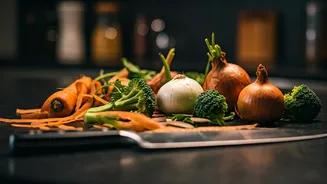
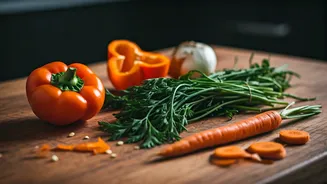
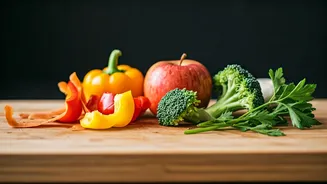
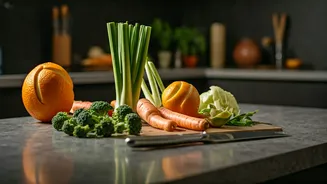
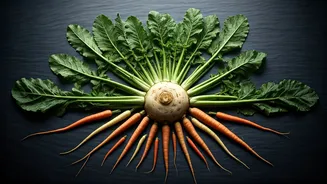
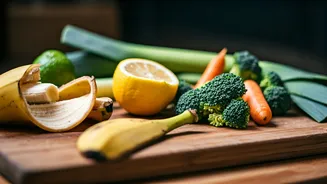
about seeing a bunch of carrots and not just seeing the roots, but also the feathery green tops, which can be blitzed into a vibrant, peppery pesto. It’s saving Parmesan rinds to infuse a soup with umami depth, turning broccoli stalks into a crunchy slaw instead of tossing them in the bin, or candying citrus peels for a cocktail garnish that looks as good as it tastes. This isn't about scarcity; it's about abundance, ingenuity, and maximizing the potential of every single ingredient you bring into your home.
From Price Tag to Principle
For years, the dinner party flex was about conspicuous consumption. It was the perfectly marbled Japanese A5 wagyu, the tin of imported caviar, the white truffle shaved tableside. That kind of status was purchasable. The no-waste flex, however, has to be earned. It demonstrates a different kind of wealth: a wealth of knowledge, skill, and environmental consciousness. When you serve a dish and casually mention that the delicious, crispy bits are fried potato peels or that the complex sauce is built on a stock made from saved vegetable trimmings, you're signaling something more profound than the ability to spend. You're showing you’re a thoughtful, resourceful, and technically proficient cook who operates on a higher level.
The Chef-to-Home-Cook Pipeline
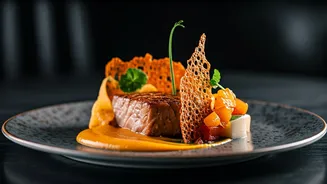
Like many food trends, this one trickled down from the world of fine dining. Chefs like Dan Barber of New York’s Blue Hill and Douglas McMaster of London’s Silo pioneered the concept of a high-end, zero-waste restaurant. They turned fish bones, coffee grounds, and whey into elegant, destination-worthy dishes, proving that scraps could be luxurious. These culinary experiments captured the imagination of food media and, eventually, ambitious home cooks. Armed with Instagram and a desire to emulate their heroes, a new generation began applying these principles at home. The message was clear: if the world’s best chefs see value in what we normally discard, maybe we should, too.
The Instagrammable Virtue Signal
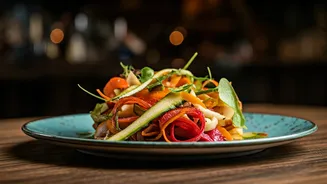
In the visual world of social media, no-waste cooking provides the perfect content. A glowing jar of pickled watermelon rinds or a beautifully plated dish featuring wilted greens isn't just food; it’s a story. It’s a quiet boast that says, “I’m not only making delicious food, but I’m also clever and conscientious.” Posting a picture of your “scrap stock” simmering on the stove is the 2020s equivalent of posting a picture of a designer handbag. It’s a status update that showcases taste, values, and effort all at once. This isn't a cynical take—it's just an acknowledgment that in our modern lives, the way we present our choices is a core part of the choices themselves.
How to Start Your 'Flex'
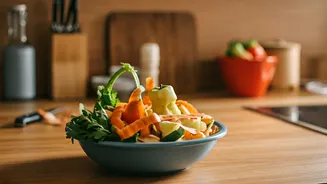
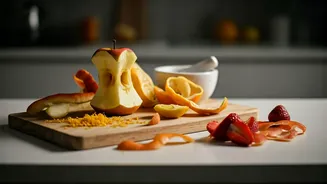
The good news is that joining the no-waste club doesn't require a culinary degree. The easiest entry point is the freezer bag. Keep one dedicated to vegetable scraps—onion skins, carrot peels, celery ends, mushroom stems, herb stalks. When it’s full, simmer them in water for an hour to create a flavorful homemade stock that will elevate any soup, sauce, or risotto. Another simple start is with citrus. After squeezing lemons or limes, toss the peels into a jar of white vinegar; in a few weeks, you’ll have a powerful, wonderfully scented natural cleaner. The goal isn’t to achieve zero-waste perfection overnight. It's about starting to see your trash can as a treasure chest of lost flavor.