


A Backlash Against Bland
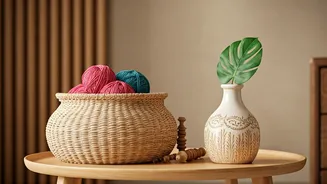
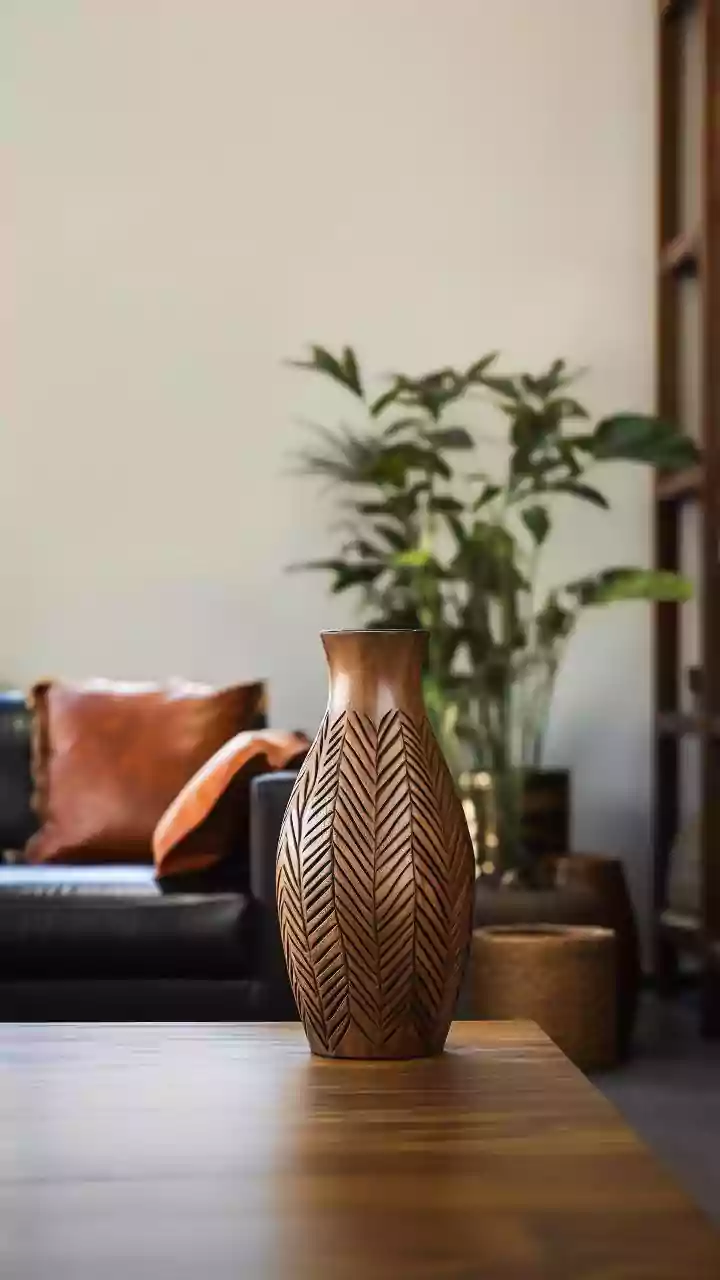
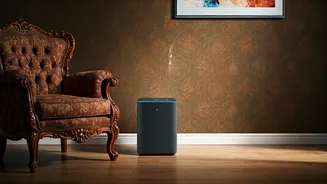
For the better part of a decade, the dominant interior design ethos was one of spartan minimalism. Think muted color palettes, clean lines, and the ubiquitous fiddle-leaf fig tree sourced from a direct-to-consumer brand. But for a generation that prizes
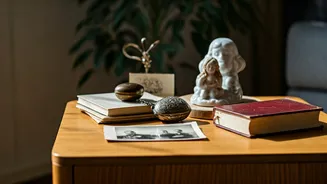
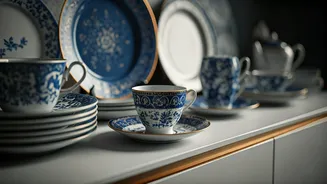
authenticity and individuality, that cookie-cutter look has lost its luster. The rise of vintage porcelain is, in part, a direct rebellion against the sea of sameness that defined the 2010s. Instead of a home that looks like a catalog, Gen Z is curating spaces that feel collected, personal, and layered with texture and color. Dainty, floral-patterned teacups and ornate serving platters offer a vibrant, decorative counterpoint to the sleek, impersonal designs they grew up seeing online.
In Search of Soul and Story
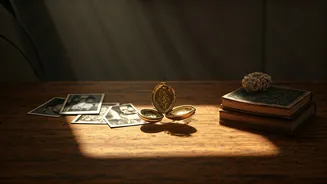
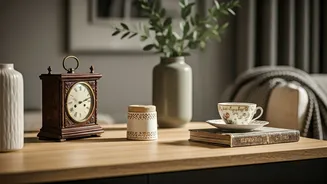
What does a mass-produced ceramic mug say about you? Not much. But a 1950s porcelain teacup with a delicate, hand-painted gold rim? That has a past. This trend isn't just about aesthetics; it's about narrative. Younger consumers are increasingly drawn to objects with a sense of history and soul. A vintage piece from a thrift store, flea market, or family attic comes with a built-in story, even if that story is imagined. It has survived for decades, passed through unknown hands, and carries an aura of permanence in a disposable world. Displaying these items on a sideboard transforms a piece of furniture into a personal museum, where each object is a conversation starter that says something unique about its owner.
The Sustainable Style Statement
For a generation deeply concerned with climate change and overconsumption, the appeal of secondhand is undeniable. Choosing vintage porcelain is an inherently sustainable act. It diverts beautiful, well-made items from landfills and reduces the demand for newly manufactured goods, which carry a significant carbon footprint. The thrill of the hunt—sifting through dusty antique shop shelves or scrolling through online marketplaces to find the perfect piece—is part of the appeal. It's a form of conscious consumerism that feels both responsible and rewarding. By championing pre-loved items, Gen Z is making a quiet but powerful statement about their values, proving that style and sustainability can go hand-in-hand.
Welcome to the 'Grandmacore' Era
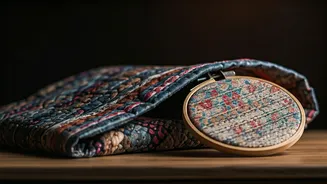
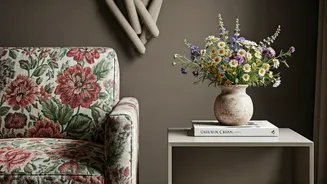
This trend is a core component of a broader aesthetic movement often dubbed “Grandmacore” or “Grandmillennial.” This style celebrates everything that was once considered stuffy or outdated: floral wallpaper, needlepoint pillows, ruffled details, and, of course, decorative china. It’s a cozy, nostalgic embrace of domesticity and comfort. But this isn't a carbon copy of your grandmother's living room. It’s a modern reinterpretation, where vintage porcelain is mixed with contemporary art, sleek lighting, and a healthy dose of irony. A delicate floral dish might be used to hold jewelry and AirPods, while an ornate tureen could be a planter for a succulent. It’s about taking the charm of the past and making it relevant for today.
Curated for the 'For You' Page
Like most modern trends, this one is being amplified and accelerated by social media. On TikTok and Instagram, hashtags like #vintagefinds, #grandmacore, and #thriftdecor are filled with videos of young people showing off their latest flea market hauls. Visually rich and highly aspirational, these clips and photos provide a constant stream of inspiration. Influencers meticulously style their sideboards, demonstrating how to mix patterns and eras to create a look that is both eclectic and cohesive. This online validation creates a powerful feedback loop: seeing others celebrate these finds encourages more people to seek them out, further cementing vintage porcelain’s status as a must-have for the stylish, young homeowner.