




The Age of Maximalist Fitness
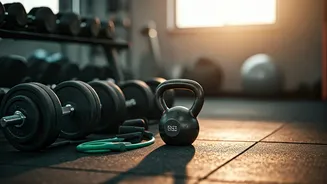
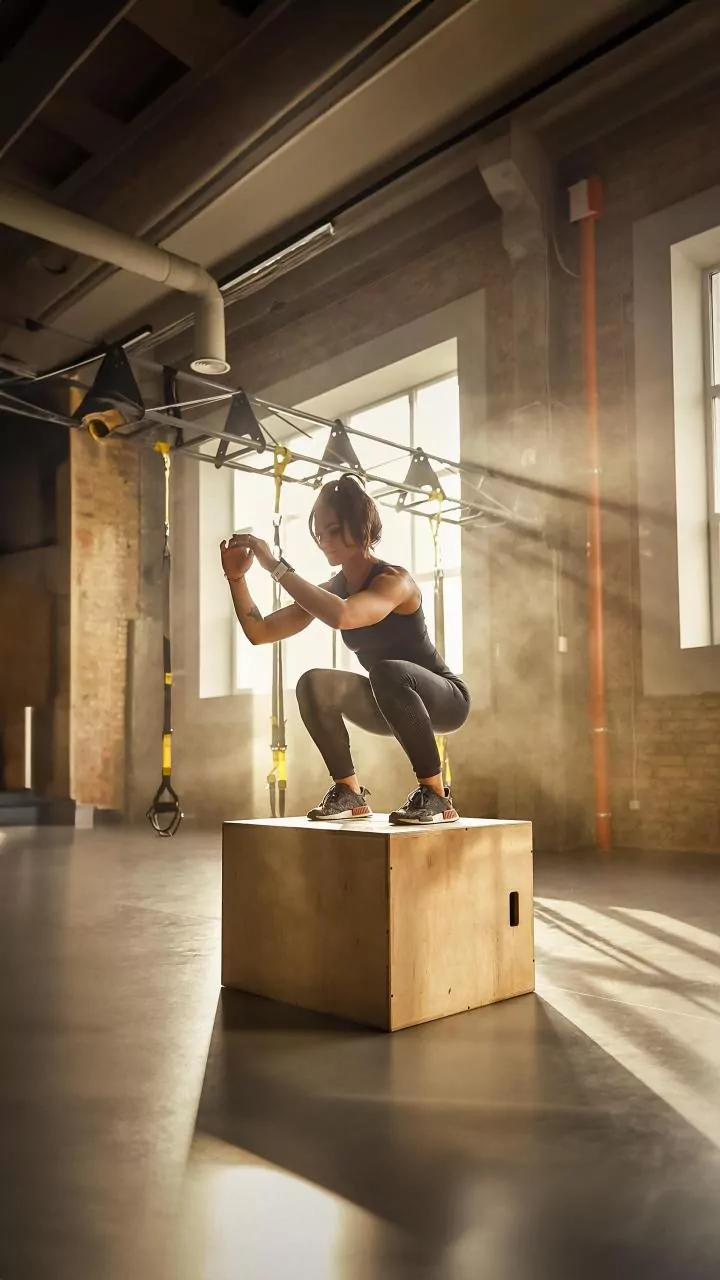
For the better part of a decade, the dominant fitness culture was defined by intensity. Think of the explosive rise of CrossFit, the cult of high-intensity interval training (HIIT), and the proliferation of boutique studios that promised to transform
your body through grueling, high-cost sessions. It was a philosophy of more: more sweat, more pain, more data from your heart-rate monitor. The message, implicit or explicit, was that if your workout wasn't pushing you to the absolute brink, it wasn't working. This created a culture of performance and optimization, where rest was for the weak and every workout was a battle to be won. While effective for some, it left many others feeling burnt out, intimidated, or simply priced out of staying active.
The Great Correction: Why Simple is In
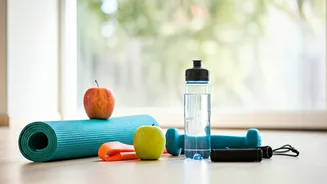
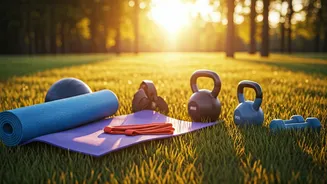
Now, the pendulum is swinging back. The new wave of fitness trends celebrates simplicity, accessibility, and consistency over intensity. It’s a direct response to the physical, mental, and financial fatigue of the maximalist era. After years of being told to “crush it,” people are realizing that sustainable health isn’t about winning a daily war with your body. It’s about gentle movement, mental clarity, and finding joy in the activity itself. The pandemic accelerated this shift, forcing millions to abandon their gyms and find new routines at home or outdoors. Many discovered that a simple walk, a bodyweight circuit, or a gentle yoga flow felt just as good—if not better—than an expensive, high-pressure class.
Meet the New (Old) Workouts
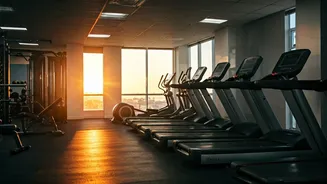
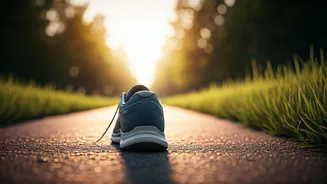
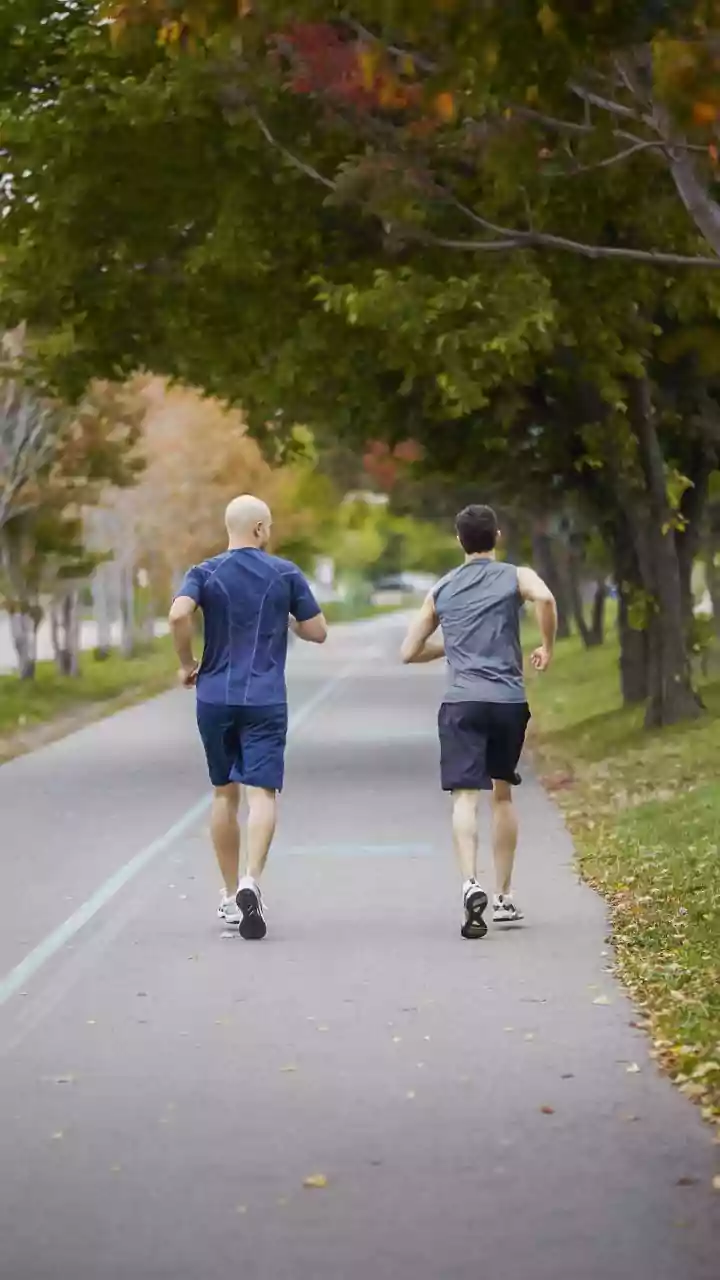
The poster child for this new era is the humble walk. Rebranded on social media as the “hot girl walk” or “mental health walk,” it emphasizes moving your body for clarity and enjoyment, not just for calorie burn. It’s free, requires no special equipment, and can be done anywhere. Another rising star is “rucking,” which is simply walking with a weighted backpack. It’s a low-impact way to build strength and endurance without the technical complexity of weightlifting. We're also seeing a resurgence of calisthenics and bodyweight exercises, which focus on fundamental movements like push-ups, squats, and planks. Even the concept of “cozy cardio,” where people use a treadmill or stationary bike at a low intensity while watching TV or listening to a podcast, has gained traction. The goal is no longer to suffer; it’s to show up.
Redefining What It Means to Be Fit
This isn’t a rejection of effort, but a redefinition of it. The simplicity movement acknowledges that the most effective fitness plan is the one you can stick with. It prioritizes mental health benefits alongside physical ones, recognizing that a stressful workout can sometimes do more harm than good by elevating cortisol levels. This approach is more inclusive, welcoming people of all fitness levels, body types, and income brackets. It dismantles the idea that you need an expensive membership or fancy athleisure to be a “fit person.” Instead, it suggests that fitness is simply a part of a well-rounded life, not the punishing centerpiece of it. It’s about feeling good in your body, clearing your head, and building habits that will serve you for decades, not just until you burn out next month.