




The Rise of the 'Flexitarian'
The single biggest reason for the plant protein explosion isn't the number of vegans or vegetarians, which remains relatively small and stable. The real engine of growth is the 'flexitarian'—someone who actively reduces their meat consumption without
eliminating it entirely. This massive demographic isn't motivated by rigid ideology but by a desire for variety, health, and moderation. They might do 'Meatless Mondays,' opt for a Beyond Burger at lunch, but still enjoy a steak on Saturday. Food companies have wisely pivoted away from marketing solely to the 5% who are strictly plant-based and are now targeting the 30-40% of Americans who are actively trying to eat more plants. This shift in focus turned a niche market into a mainstream opportunity, making plant protein a normal, accessible choice rather than an 'alternative' lifestyle.
The Health Halo Is Real
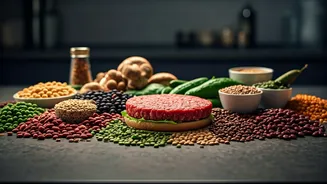
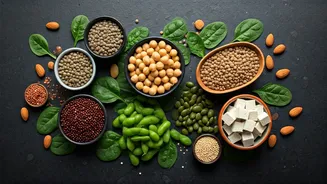
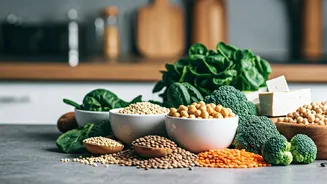
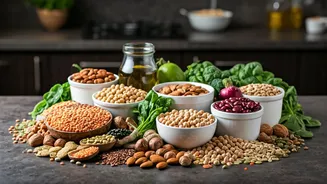
For decades, the conversation around diet has been dominated by fat, carbs, and sugar. Now, protein is in the spotlight, and plant-based sources are wearing a distinct 'health halo.' Consumers increasingly associate plant protein with benefits like lower cholesterol, reduced risk of heart disease, and better digestive health due to higher fiber content. Research from institutions like the Harvard T.H. Chan School of Public Health has linked high consumption of red meat to certain health issues, prompting many to seek other options. Whether it’s lentils, chickpeas, tofu, or the newer engineered products, consumers perceive them as 'cleaner' and less inflammatory. This wellness-driven motivation is a powerful force, positioning plant protein not just as an ethical choice, but as a proactive step toward better long-term health.
Sustainability Goes Mainstream
The environmental impact of our food choices has officially entered the public consciousness. Documentaries, news reports, and social media have amplified awareness about the significant resources—land, water, and energy—required for animal agriculture, as well as its contribution to greenhouse gas emissions. For a growing number of consumers, particularly younger generations like Millennials and Gen Z, choosing a plant-based option is a small but tangible way to align their purchasing power with their environmental values. Companies like Impossible Foods and Beyond Meat have built their entire brand identity around this message, framing their products not just as food, but as a technological solution to a global crisis. This makes ordering a plant-based burger feel less like a dietary sacrifice and more like a vote for a more sustainable future.
Finally, It Actually Tastes Good
Let's be honest: for years, many plant-based meat substitutes were tolerated, not enjoyed. The veggie burgers of the past were often dry, crumbly pucks that tasted vaguely of beans and disappointment. That has changed dramatically. A wave of food science innovation has created a new generation of products that aim to replicate the taste, texture, and even the cooking experience of conventional meat. Using ingredients like pea protein, soy, and coconut oil, companies have engineered burgers that 'bleed' (thanks to beet juice or soy leghemoglobin) and sausages that sizzle. This leap in quality is crucial. It means consumers no longer have to choose between their goals (health, environment) and their enjoyment, making the switch to plant protein feel like an upgrade, not a compromise.
The Power of Big Business and Hype
The final ingredient in this trend is money—and lots of it. Venture capitalists have poured billions into the plant-based sector, fueling rapid innovation and aggressive marketing campaigns. This investment has enabled startups to scale quickly and, most importantly, forge partnerships with giants of the food industry. When Burger King launched the Impossible Whopper and McDonald's began testing the McPlant, it signaled a seismic shift. These collaborations put plant protein in front of millions of everyday Americans, normalizing it overnight. Celebrity investors and endorsements further amplified the hype, transforming plant protein from a health-food-store staple into a legitimate pop culture phenomenon.