




An Old Bean Learns New Tricks
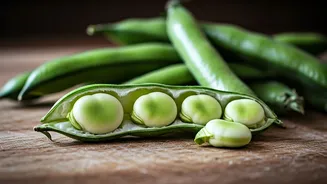
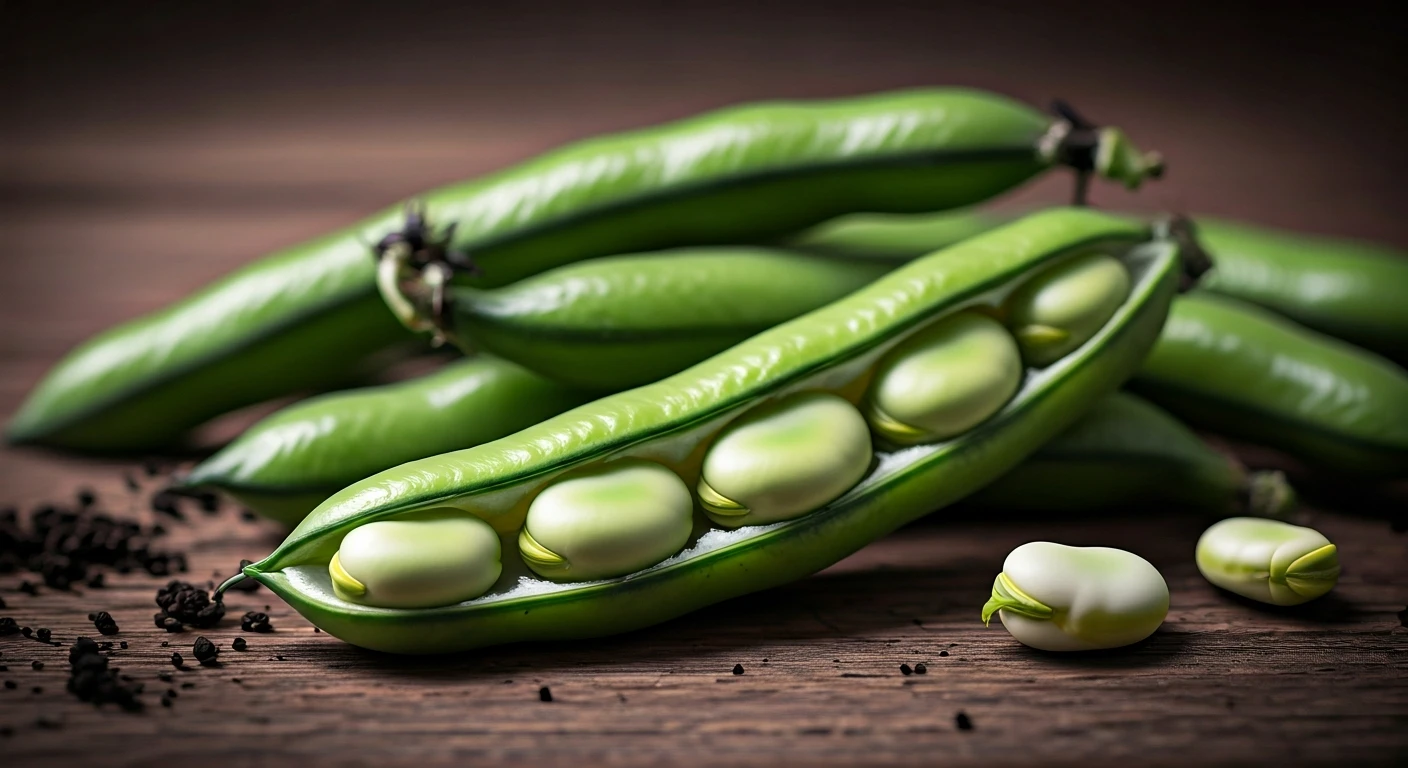
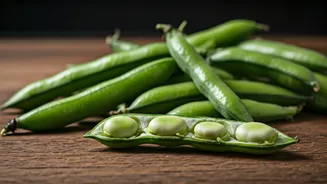
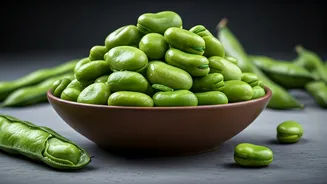
If you think you’ve never had a fava bean, you might be surprised. Also known as broad beans, they’ve been a staple in Mediterranean, Middle Eastern, and Asian cuisines for thousands of years. Think rustic stews, simple salads, and classic dishes like
Ful Medames. For centuries, they were a humble, hearty source of sustenance for civilizations around the globe. But their recent transformation from peasant food to premium protein is a masterclass in rebranding. The 'glow-up' isn't just about food bloggers rediscovering them; it’s about food science unlocking their full potential. The once-simple legume is now the star ingredient in everything from protein powders and plant-based milks to high-tech meat alternatives.
The Nutritional Power-Up
So, what’s behind the hype? It starts with a truly impressive nutritional profile. Fava beans are one of the most protein-dense legumes available. A single cup of cooked fava beans packs around 13 grams of protein and 9 grams of fiber, making for a powerful combination that helps build muscle and keeps you feeling full and satisfied. This makes them a fantastic alternative to soy or pea protein. But the benefits don't stop there. They are also rich in folate, which is crucial for cell growth and development, as well as essential minerals like manganese, copper, and iron. This combination of macronutrients and micronutrients makes them a uniquely well-rounded addition to any diet, especially for those looking to eat more plants without compromising on nutrition.
From Bean to Bar to Burger
The real game-changer for fava beans has been their versatility in modern food production. Food scientists have figured out how to create fava bean protein isolate—a neutral-tasting, light-colored powder that blends seamlessly into other products. Unlike some plant proteins that can have a strong, earthy flavor or gritty texture, fava isolate is remarkably clean. This has made it a darling of the food tech industry. You’ll now find it boosting the protein content of vegan yogurts, giving plant-based milks a creamy texture, and providing the structural 'bite' in next-generation veggie burgers and sausages. It’s the secret ingredient helping plant-based foods taste less, well, plant-based.
How to Use Them at Home
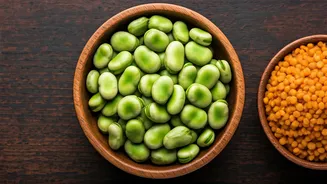
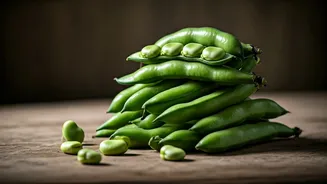
You don't need a food science lab to enjoy fava beans. Bringing them into your own kitchen is simple. Fresh fava beans, available in the spring, are a seasonal treat. They require a bit of work—shelling them from their large pods and then blanching to remove the tough inner skin—but the bright, sweet, nutty flavor is worth it. Toss them into salads, pasta, or mash them with olive oil and mint for a delicious toast topping. For year-round convenience, look for canned or dried fava beans. Canned versions are ready to use in dips and stews, while dried ones just need a good soak. You can also find roasted, salted fava beans in the snack aisle, offering a crunchy, high-protein alternative to chips or nuts.
A Quick Word of Caution
While fava beans are a fantastic food for most people, it’s important to note a specific genetic condition called favism. Individuals with a hereditary enzyme deficiency known as G6PD deficiency can have a severe, adverse reaction to fava beans. This condition is most common in people of Mediterranean, African, and Southeast Asian descent. For the vast majority of the population, fava beans are perfectly safe and incredibly healthy. But if you have a family history of this condition or are unsure, it's always best to consult with a doctor before adding them to your diet.