




The Spiritual Adrenaline Rush
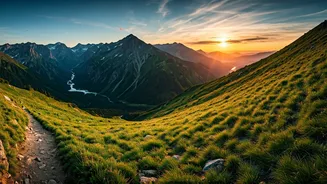
Before you even hit the water, you feel the contradiction that makes Rishikesh so magnetic. Nestled in the foothills of the Himalayas, the town is famously the “Yoga Capital of the World.” Its air hums with the gentle chime of temple bells and the murmur
of evening aarti ceremonies along the riverbanks. It’s a place people come to find peace, to meditate, to disconnect. And yet, this same sacred river that hosts floating floral tributes also serves up some of the most accessible and thrilling whitewater rafting on the planet. This duality is the secret sauce. You’re not just conquering rapids; you’re doing it in a place steeped in thousands of years of spiritual history, where saffron-robed sadhus and adrenaline junkies share the same stunning view.
A Symphony of Rapids
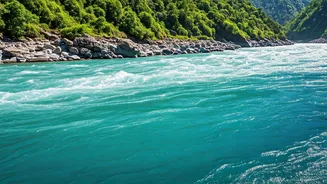
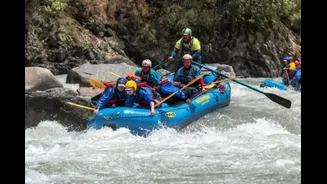
The rafting itself is a perfectly orchestrated piece of chaos. The trips, which range from short 9-kilometer jaunts to full-day 36-kilometer expeditions, are a highlight reel of Class II and III rapids, with a few formidable Class IVs thrown in to command your full attention. The names alone are the stuff of traveler lore: “Three Blind Mice,” a tricky sequence that demands teamwork; “Roller Coaster,” which delivers exactly what its name promises with a series of exhilarating waves; and the infamous “The Wall,” a Class IV rapid that can pinball rafts against a rock face if your guide isn't on their A-game. But this isn’t just about fear. It’s about trust—in your guide, your paddle-mates, and yourself. Between the furious paddling, there are moments of sublime calm where the raft drifts through tranquil pools, flanked by lush green hills and pristine, sandy beaches.
The Mandatory Cliff Jump
No Rishikesh rafting story is complete without mentioning the cliff jump. About halfway through most routes, the guide will steer the raft toward a specific rocky outcrop, simply named “Maggie Point” or the “Cliff Jumping Point.” It’s an informal, almost obligatory ritual. From a perch about 25 feet above the river, you get to take a literal leap of faith into the bracingly cold, fast-moving Ganges. It’s a moment of pure, unadulterated exhilaration. For the 30 seconds it takes to climb up, hesitate, and finally jump, the world shrinks to that single decision. The splash and subsequent gasp as the cold water envelops you is a baptism of sorts—a reset button that washes away any lingering stress. This is the picture your friends will see on Instagram, the story you’ll tell for years.
Why It Still Hits Different
In an age of over-documented and commercialized adventures, it’s fair to ask if Rishikesh rafting has lost its edge. The answer is a resounding no. The experience remains raw and surprisingly accessible. It’s a shared adventure, a great equalizer where backpackers, families, and solo travelers from every corner of the globe are united by a single goal: get through the next rapid without falling out. The camaraderie is instant and genuine. After the paddles are put away, you’ll find yourself sharing chai and a plate of hot Maggi noodles with strangers-turned-teammates on a riverside beach, all of you buzzing with the same post-adrenaline glow. The Ganges, the mountains, and the thrill are timeless. The experience hasn’t been diluted; it’s just been perfected.