

The British Empire’s Summer Escape
To understand Shimla, you first have to understand the concept of a “hill station.” For an American, the closest equivalent might be the grand resorts of the Gilded Age, like those in Newport or the Adirondacks—places built for the wealthy to escape the city
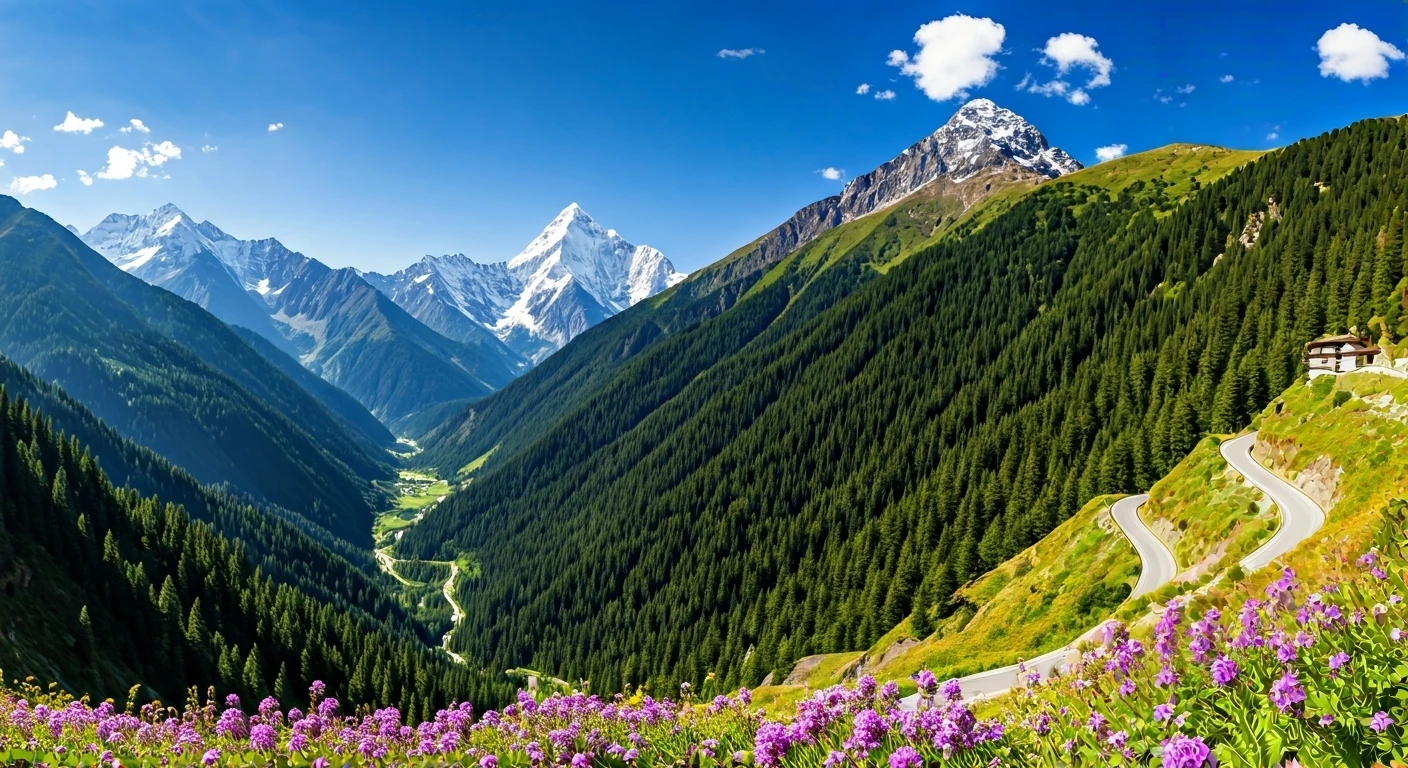
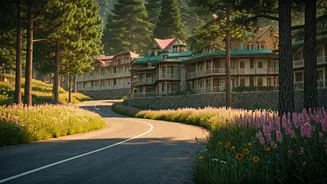
heat. In India, the British Empire formalized this on a national scale. Faced with the punishing, triple-digit heat of the Indian plains, colonial administrators and their families would decamp for months at a time to cooler mountain towns. These hill stations were meticulously designed to feel like a piece of England, with Gothic churches, Tudor-style cottages, and gardens full of familiar flowers. They were enclaves of temperate weather and European culture, built as both a practical and psychological refuge.
Shimla: The Jewel in the Crown
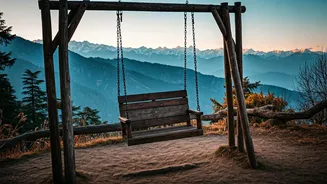
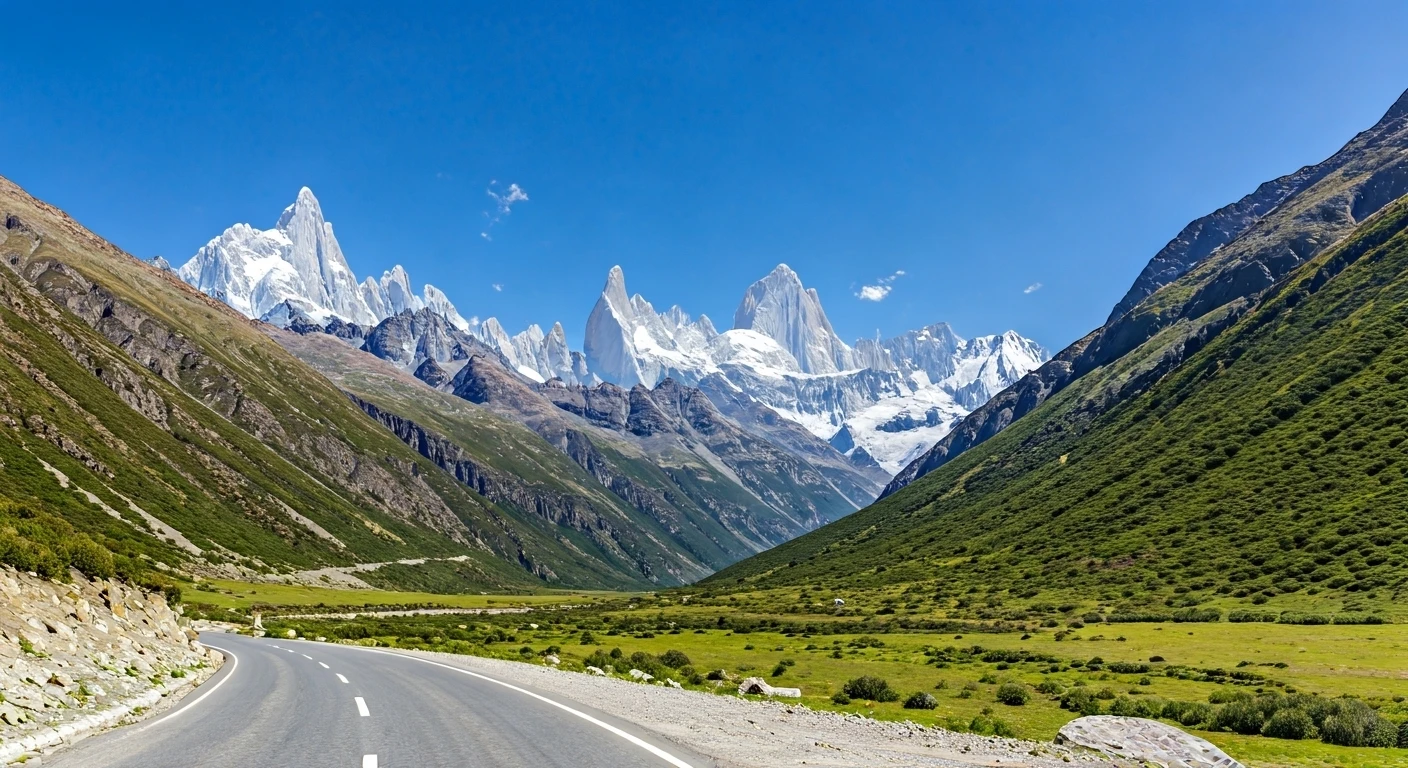
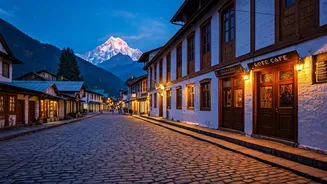
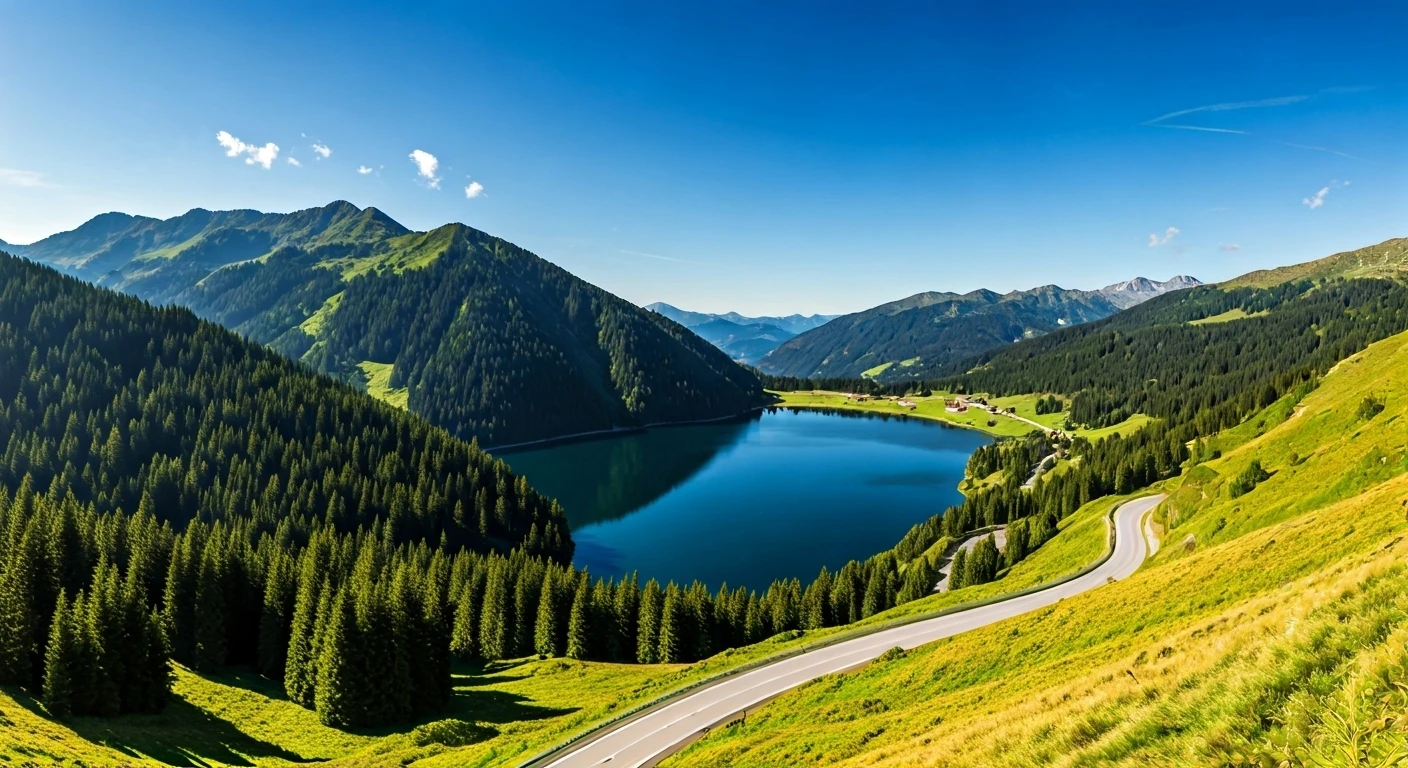
While there were many hill stations, only one was Shimla. Perched at over 7,000 feet, this Himalayan town wasn’t just a resort; it was the official summer capital of the British Raj. From about April to October, the entire government of an empire that stretched from Burma to Aden was run from this small mountain town. The legacy of that power is etched into its landscape. The main artery is The Mall Road, a pedestrian-only promenade lined with historic buildings. At its heart lies the Christ Church, with its stained-glass windows, and the aptly named Scandal Point, once the epicenter of colonial gossip. Towering over it all is the former Viceregal Lodge, a magnificent Scottish Baronial mansion where decisions affecting millions were made. Walking through Shimla is walking through a living museum of imperial history.
When the Festival Takes Over
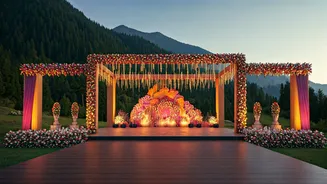
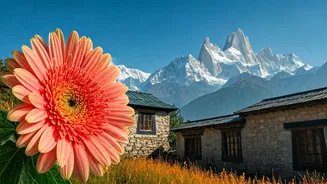
Every year, typically in early June, this historical stage bursts into contemporary life with the Shimla Summer Festival. This isn’t a stuffy, historical reenactment. It’s a vibrant, chaotic, and joyful celebration that takes over The Ridge, a large open space along the Mall Road. The festival is a cultural potluck. One stage might feature traditional Himachali folk dancers performing the graceful *Nati* dance, while another hosts a a popular Bollywood singer. There are flower shows displaying Himalayan flora, dog shows for the town's proudest pets, and photography competitions capturing the beauty of the region. The colonial-era Gaiety Theatre, a Victorian masterpiece, also hosts plays and musical events, linking the town’s past and present.
Sights, Sounds, and Steamed Dumplings
The real magic of the festival, however, is in the atmosphere. The crisp mountain air fills with the sounds of music and laughter. Families, tourists, and locals alike stroll the promenade, creating a river of humanity. The air is thick with the smells of street food—a quintessential Indian experience. Vendors sell roasted corn on the cob (*bhutta*), seasoned with lime and spices, a perfect snack for a cool evening. The most popular treat, however, is the momo. These Tibetan-style steamed dumplings, filled with vegetables or meat and served with a fiery red sauce, are the unofficial fuel of the Himalayas, and lines for the best momo stalls are a testament to their appeal. It's a sensory feast, set against a backdrop of mist-covered mountains.
A Nostalgia for Yesterday and Today
The headline’s mention of “nostalgia” is spot on, but it’s a more complex feeling than just pining for the colonial past. For modern Indians, the festival and the town itself evoke a different kind of nostalgia—for a slower pace of life, for public community gatherings, for the simple pleasure of walking in cool mountain air. Shimla represents an idealized version of summer. The festival brings this to life, layering a vibrant, modern Indian celebration atop the architectural bones of the British Raj. It’s a place where history isn’t just something you read about; it's something you feel, hear, and even taste, all at once.