

The Non-Melting Marvel
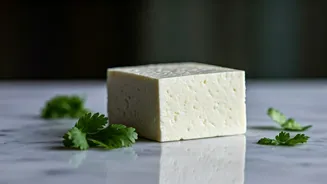
Here's paneer’s most mind-bending trick: it doesn't melt. Unlike mozzarella, cheddar, or Swiss, paneer is an unaged fresh cheese that’s been pressed after the whey is separated from the curd with an acid, like lemon juice. This process gives it a high
melting point, which is where its superpowers begin. You can toss cubes of it directly onto a hot grill, and instead of dissolving into a greasy puddle, it will char beautifully, developing a smoky crust while staying firm inside. Pan-sear it, and you get impossibly crisp, golden-brown edges with a tender, milky center. Drop it into a simmering curry, and it will soften without losing its shape, providing a delightful textural contrast. This heat-stable quality makes it a reliable anchor for vegetarian dishes, offering the satisfying heft and chew you might otherwise get from meat.
The Ultimate Flavor Sponge
On its own, paneer is mild, milky, and wonderfully unassuming. This isn't a weakness; it’s a blank canvas. Its slightly spongy texture is riddled with tiny nooks and crannies, making it exceptionally good at soaking up flavor. Think of it as the tofu of the cheese world, but with a richer, more satisfying dairy essence. Marinate it for just 30 minutes in yogurt, ginger, garlic, and spices, and it will absorb the entire flavor profile. When you cook it, those flavors bloom. This is why dishes like paneer tikka are so explosive with taste—the cheese becomes a delivery vehicle for toasted cumin, tangy amchur (dried mango powder), and fiery chili. You can go beyond Indian flavors, too. Try marinating it in soy-ginger for a stir-fry, lemon-herb for skewers, or smoky barbecue sauce for a vegetarian sandwich. It will never let you down.
A Master of Texture
Depending on how you treat it, paneer can offer a stunning range of textures. The secret to unlocking its potential often lies in a simple step: a brief soak in hot, salted water. This is especially true for store-bought paneer, which can sometimes be dense or rubbery. Ten minutes in a hot water bath will render it pillowy and soft, ready for your curry. If you want crispy, fry cubes in a little oil until all sides are golden, creating a textural one-two punch of crunch and creaminess. For a completely different experience, crumble it. Sauté crumbled paneer with onions, tomatoes, and spices to make a dish called paneer bhurji, a savory, protein-packed scramble that’s brilliant for breakfast tacos, lettuce wraps, or simply scooped up with naan. From firm and chewy to soft and yielding to fine and crumbly, paneer’s textural versatility is unmatched.
The Easiest Homemade Cheese
The idea of making cheese at home can sound intimidating, involving special cultures, aging caves, and a lot of patience. Paneer laughs at such complexity. If you have milk, an acid (lemon juice or vinegar), and some cheesecloth, you can make fresh, delicious paneer in under an hour. You simply bring the milk to a boil, add the acid to curdle it, and strain the curds from the whey. Then, you press the curds under something heavy (like a cast-iron skillet) for about 30 minutes. That’s it. Making it at home gives you ultimate control over the final product. Want it extra soft? Press it for less time. Want it firm for grilling? Press it longer. The freshness of homemade paneer is a revelation—it’s creamier, more delicate, and far superior to any vacuum-sealed block from the store.
A True Kitchen Workhorse
Beyond its textural and flavor-absorbing gifts, paneer is simply a practical and satisfying ingredient. It’s a fantastic source of protein for vegetarians and a hearty addition for anyone looking to eat less meat. Because it’s so quick to prepare—either used straight from the package (after a quick soak) or fried up in minutes—it’s perfect for weeknight meals. A block of paneer in the fridge is a promise of a fast, delicious dinner. You can toss it into a vegetable stir-fry at the last minute, thread it onto skewers with bell peppers and onions, or crumble it into pasta sauce for a creamy protein boost. It adapts to almost any cuisine and transforms simple ingredients into a substantial, memorable meal. It’s not just an ingredient; it's a solution.