



First, What Is Raw Mango?
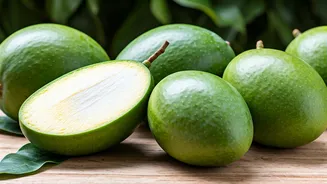
Forget the sweet, soft, sunset-colored fruit you know. Raw mango—also called green mango—is the unripe version, and it's a completely different culinary player. It’s firm, sometimes with a texture reminiscent of a crisp apple or jicama. Its color is a vibrant
pale green or creamy white. But the real magic is its taste: intensely sour, bracingly tart, and profoundly refreshing. It doesn't have the sugary notes of its ripe counterpart. Instead, it delivers a clean, sharp acidity that can brighten, tenderize, and transform dishes. You can typically find them in Asian, Latin, or Caribbean markets, often sold simply as “green mango.” Look for one that is firm to the touch with smooth, unblemished skin.
The Salad Reinvented
If your salads have become a sad cliché of leafy greens and bottled dressing, raw mango is your intervention. Julienne it into thin matchsticks, and you have a base that's crunchy, tangy, and substantial. It stands up beautifully to bold flavors. A classic Thai green mango salad (Som Tum Mamuang) combines these mango strips with peanuts, chili, lime juice, and fish sauce for an explosive combination of sour, sweet, salty, and spicy. But you don’t need to be a traditionalist. Toss shredded raw mango with grilled shrimp, fresh mint, and a light vinaigrette. Mix it with black beans, red onion, and cilantro for a vibrant side dish. It replaces the need for a heavy, acidic dressing by being the acid itself.
A Shortcut to Amazing Pickles and Chutneys
Raw mango is practically born to be pickled. Its firm flesh holds its shape, and its sourness provides the perfect foundation for brines and spices. In Indian cuisine, raw mango pickles (aam ka achaar) are a cultural staple, a fiery and complex condiment that elevates a simple meal of rice and lentils. But you can make a quick pickle at home in minutes. Simply dice raw mango and toss it with salt, a pinch of turmeric, and some red chili powder. Let it sit for 30 minutes, and you have an instant condiment to serve with grilled meats or sandwiches. It also makes for an incredible chutney, balancing the sweetness of other ingredients and adding a zesty punch to cheese boards or roasted chicken.
The Secret Weapon in Marinades
The acidity that makes raw mango so delicious also makes it a fantastic natural tenderizer. Papain, an enzyme found in unripe mango, breaks down proteins, making it perfect for marinading tougher cuts of meat. Grate or blend a piece of raw mango with garlic, ginger, and your favorite spices to create a marinade for chicken, pork, or beef. The acid not only softens the meat but also infuses it with a subtle, fruity tartness that lemon juice can’t quite replicate. It works especially well for grilling, as the sugars in the mango will caramelize slightly, creating a delicious crust while the inside remains moist and tender.
A Bright Counterpoint to Richness
Have you ever tasted a rich curry, stew, or braised dish and felt it was missing… something? That something is often a touch of acidity to cut through the fat and add a high note. Raw mango is the perfect ingredient for the job. In many South Indian and Southeast Asian cuisines, it’s used as a souring agent in lentil dals and fish curries, lending a bright, tangy complexity that balances the deep, savory flavors. You can add a few chunks of raw mango to your next slow-cooked pork shoulder or hearty coconut curry. As it cooks, it will soften and melt into the dish, infusing the entire pot with a background tartness that makes every other flavor pop. It’s a subtle move that makes your food taste less homemade and more restaurant-quality.