







Embracing the Summer Rains
So, what exactly is monsoon gardening? At its heart, it’s a practice of timing and collaboration. Instead of fighting the intense, dry heat of early summer, gardeners in states like Arizona, New Mexico, and West Texas strategically plan their planting
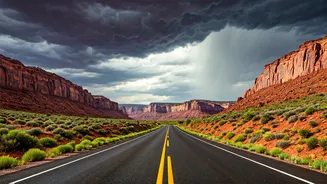
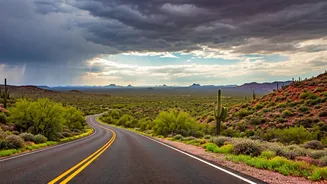
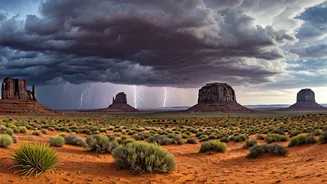
for the arrival of the summer monsoon. Typically starting in late June or early July and lasting through September, this season brings a dramatic increase in humidity and a series of powerful, soaking thunderstorms. Monsoon gardening is about harnessing this free, heaven-sent irrigation to germinate seeds and encourage explosive growth in plants adapted to this specific 'boom' cycle. It’s less about a specific set of rules and more about a shift in mindset: letting the climate be your most valuable partner.
The 'Less Effort' Advantage
The headline’s promise of “less effort” isn’t an exaggeration; it's the core benefit. The primary labor saver is, of course, water. Instead of dragging hoses across a sun-scorched yard every day, you let the afternoon storms do the heavy lifting. This drastically cuts down on both manual labor and your water bill. The increased humidity also provides a huge advantage, reducing the rate at which soil dries out and creating a microclimate that helps plants retain moisture. Furthermore, the drenching rains perform a crucial task that tap water can’t: they leach accumulated salts deep into the soil profile. In arid regions where water is hard and salty, this natural flushing process is incredibly beneficial, preventing the toxic buildup that can stunt or kill plants over time. You’re essentially getting automated watering and soil conditioning, for free.
Reaping the Lush Rewards
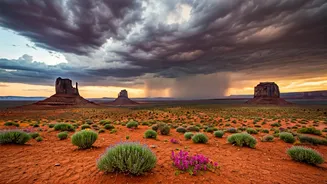
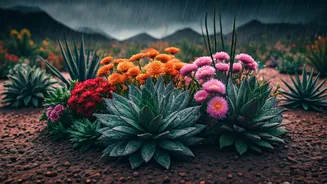
The payoff for this patient, nature-aligned approach is spectacular. Plants that have been dormant or just surviving through the early summer heat suddenly burst with life. You’ll witness surprisingly lush, green growth and a wave of flowering that feels almost magical in a desert environment. Many native plants are specifically triggered to bloom by the combination of heat and rain, putting on a show you won’t see at any other time of year. This explosion of life provides a critical food source for local pollinators like native bees, hummingbirds, and butterflies, turning your yard into a vibrant, functioning part of the local ecosystem. The satisfaction comes not just from the beauty, but from knowing you’ve created a resilient garden that is perfectly in sync with its surroundings.
Best Plants for Monsoon Magic
Success with monsoon gardening depends on choosing the right players. This is the perfect time for native wildflowers, many of which can be sown directly as seeds right before the first rains. Look for desert marigolds, cosmos, and sunflowers. It’s also an ideal window to plant heat-loving, fast-growing shrubs and vines like Texas sage (Leucophyllum frutescens), which often bursts into purple blooms after a rain, or the fiery-flowered red bird of paradise (Caesalpinia pulcherrima). Many desert-adapted trees, such as palo verdes and mesquites, do best when planted during this season, as the rains help them establish a deep root system before the next dry season. The key is to select plants native or adapted to a summer-rain climate, as they are genetically programmed to take full advantage of the seasonal shift.
Simple Tips to Get Started
Ready to give it a try? You don’t need a complete landscape overhaul. Start small by preparing a patch of soil in late spring. Clear it of weeds and lightly amend it with a bit of compost. A crucial technique is creating shallow basins or berms around your planting areas. These simple earthworks help capture the rainwater where it falls, preventing runoff and allowing it to soak deep into the root zone. Wait for the forecast to show the first solid chance of monsoon storms, then sow your seeds or place your new plants. Water them in once to settle the soil, and then step back and let the clouds take over. A little preparation allows you to become an observer, watching your garden respond with gratitude to the season’s bounty.