
From Kitchen Scraps to Viral Status
For generations, using every part of an ingredient was a quiet, domestic virtue born of necessity. Today, it’s a public performance. The practice of low-waste—or “scrappy”—cooking has exploded from a niche environmentalist concern into a mainstream cultural
phenomenon, perfectly tailored for the digital age. The driving forces are hardly a mystery. As grocery bills climb to startling new heights and climate anxiety becomes a permanent feature of modern life, the appeal of stretching a dollar while shrinking a carbon footprint has become undeniable. What’s new is the way this age-old wisdom has been repackaged. It’s no longer just about saving money; it’s about showcasing creativity, resourcefulness, and a certain moral clarity. Turning what was once trash into a beautiful, delicious meal is a powerful narrative, and one that resonates deeply with a generation looking for control in uncertain times.
The Perfect Recipe for Virality
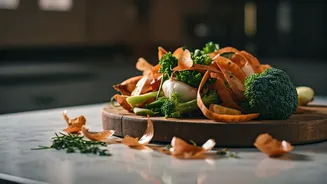
Low-waste cooking seems almost scientifically engineered for platforms like TikTok and Instagram. First, it’s visually transformative. A 30-second video can show a pile of onion skins, carrot peels, and celery ends turn into a rich, dark vegetable broth. This before-and-after magic is irresistible content. Second, it’s inherently educational. Each post offers a “hack” or a tangible tip that viewers can immediately apply, creating a sense of value and utility. You didn’t just watch a video; you learned how to make citrus-peel-infused vinegar. Finally, it provides a satisfying moral and aesthetic payoff. The final product—whether it’s a vibrant pesto or a rustic fruit-scrap jam—looks beautiful, while the act of making it feels virtuous. This trifecta of visual satisfaction, practical knowledge, and ethical validation is the secret sauce of online engagement. It allows viewers to feel good about the content they consume and the lifestyle it represents.
Meet the New 'Scrappy' Creators
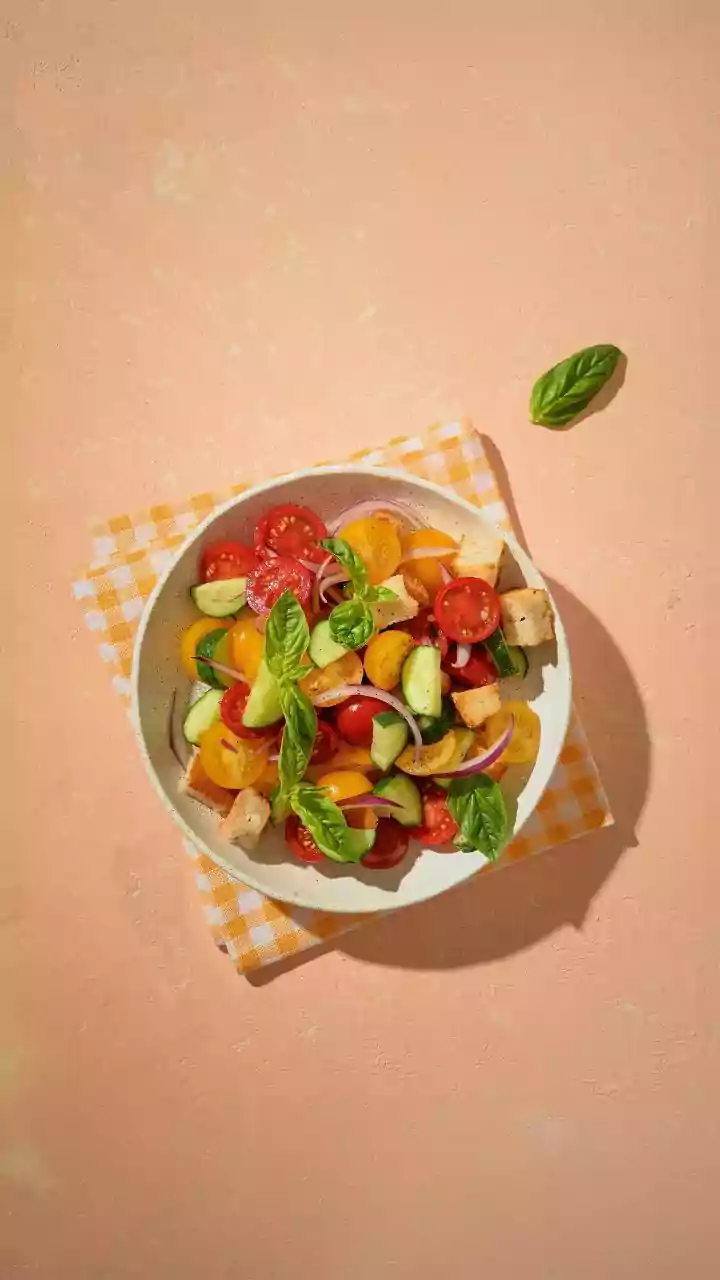
At the heart of this movement are a new wave of food creators who are less like polished celebrity chefs and more like resourceful, charmingly pragmatic friends. Figures like Carleigh Bodner (@carleighbodner) have built massive followings by demonstrating how to turn broccoli stems into slaw or stale bread into panzanella salad. Their kitchens aren't intimidatingly pristine; they’re real, functional spaces where experimentation happens. The content style is often fast-paced and sonically satisfying—the crisp chop of a knife, the sizzle of oil, all set to a trending audio track. These creators are masters of the reveal, unceremoniously holding up a limp bunch of kale before transforming it into crispy, snackable chips. They’ve built trust by showing, not just telling, their audience that a low-waste lifestyle isn't about deprivation, but about abundance and ingenuity. It’s a message that’s both inspiring and, crucially for the algorithm, infinitely shareable.
More Than Just a Passing Trend?
While social media trends are notoriously fleeting, low-waste cooking appears to have deeper roots. It’s not just about a cool video format; it’s a response to fundamental economic and ecological pressures that aren’t going away anytime soon. Unlike other wellness or food trends that require expensive, niche ingredients, this one is about saving money and using what you already have. This inherent accessibility gives it a much broader appeal and a greater chance of long-term adoption. The movement successfully merges the practical with the aspirational. It reframes frugality not as a sacrifice, but as a sophisticated and creative act. As long as groceries are expensive and environmental concerns are top of mind, the logic of using every last scrap will remain powerful. The fact that it also happens to look great on camera just ensures we’ll be watching.