

An Ocean of Gold and Green
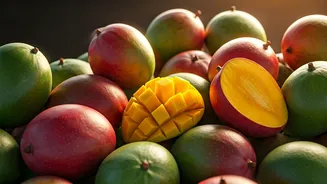
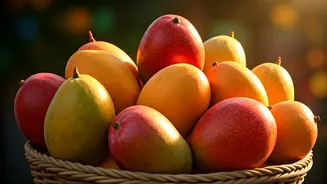
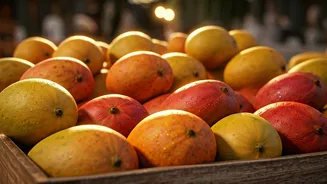
Imagine walking into a sprawling, sun-drenched market where the air itself is thick, sweet, and intoxicating. This is the Aam Mahotsav, or Mango Festival, typically held in the heart of New Delhi. Stalls are piled high not with one or two types of mango,
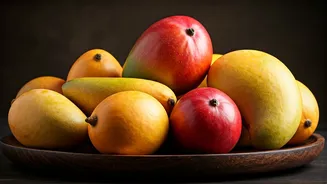
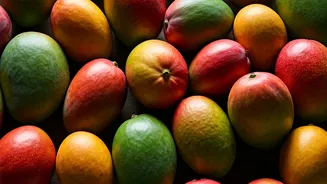
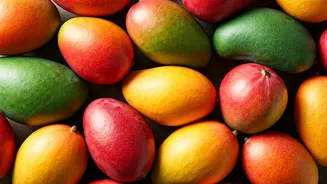
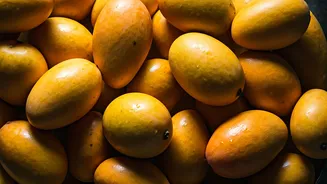
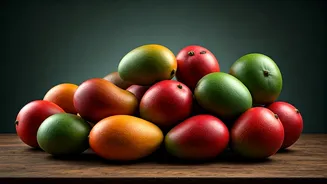
but with hundreds. There are pyramids of the royally sweet Alphonso, heaps of the tangy and fibrous Langra, and elegant stacks of the slender, fragrant Dasheri. It’s a stunning visual tapestry of yellow, orange, gold, and green, with farmers from across India proudly showcasing their regional treasures. For a fruit lover, it’s paradise. For the uninitiated, it’s a mind-bending introduction to the sheer diversity of a fruit Americans often see in only one or two generic forms at the supermarket. Here, the mango isn't just a fruit; it's a universe of flavor, texture, and history.
More Than Just a Tasting
While sampling is the main event, the festival is a full-blown cultural celebration. The energy is palpable. You’ll hear the roar of a crowd gathered around a mango-eating competition, where contestants furiously devour slices against the clock, juice dripping down their chins in a glorious, sticky mess. Elsewhere, chefs demonstrate how to incorporate mango into everything from savory curries to delicate desserts. The scent of fresh mango lassi, rich mango kulfi (a traditional ice cream), and tangy aam panna (a cooling summer drink) hangs in the air. Beyond the edible, artisans sell mango-wood carvings, and musicians perform folk songs that celebrate the summer harvest. It’s a testament to how deeply the mango is woven into the fabric of Indian life—it’s a source of food, commerce, art, and pure joy.
Meet the Mango All-Stars
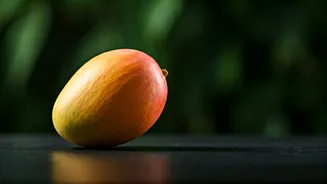
For Americans accustomed to the reliable but often one-dimensional Tommy Atkins mango, the festival’s lineup is an education. The star of the show is often the Alphonso from Maharashtra, prized for its creamy, non-fibrous flesh and intensely sweet, almost perfumed flavor. It’s so revered it’s often called the “King of Mangoes.” Then there’s the Dasheri from Uttar Pradesh, a “mother” mango from which many other northern varieties descend; it’s known for its sweet pulp and bright aroma. From the same region comes the Langra, a variety with a greenish skin even when ripe and a unique, slightly tart finish that cuts through its sweetness. And you can’t miss the Chausa, a late-season variety with incredibly sweet, bright yellow pulp and a distinctive fragrance. Each mango tells a story of its region’s soil, climate, and history, offering a completely different experience.
Why This Fruit Is an Obsession
To understand the festival, you have to understand India’s love affair with the mango. The fruit is a powerful symbol of summer, prosperity, and nostalgia. Its arrival signals the end of the school year and the beginning of long, lazy holidays. For generations, the act of slicing and sharing a mango is a core family ritual. The fruit appears in ancient scriptures, temple carvings, and Mughal-era poetry. It’s more than just a seasonal treat; it's a cultural touchstone that connects people to their childhood, their land, and each other. The Delhi Mango Festival isn’t just an agricultural fair; it’s a pilgrimage site for devotees of a fruit that, for millions, represents the very taste of happiness. It’s a loud, vibrant, and delicious expression of a national obsession.