



First, What Is Rasam?
Before we get to the mango, let’s talk about rasam. If you’re not familiar with it, think of it as South India’s answer to chicken soup, but lighter, tangier, and vegetarian. Rasam is a brothy, tamarind-based soup, spiced with a specific blend of black
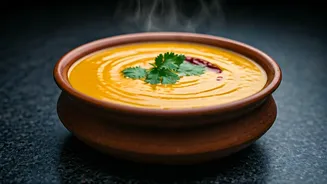
pepper, cumin, and other aromatics. It’s a staple in countless households, revered not just for its complex flavor but also for its digestive and restorative qualities. Often served with a mound of steamed rice or sipped on its own as a comforting appetizer, rasam is elemental. It’s the kind of dish that can be both everyday-simple and celebration-special.
The Green Mango Game-Changer
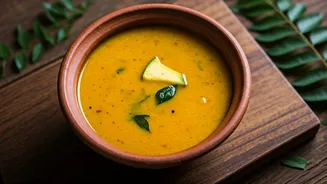
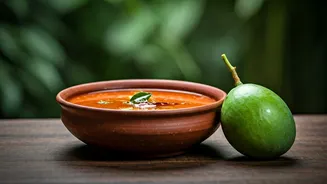
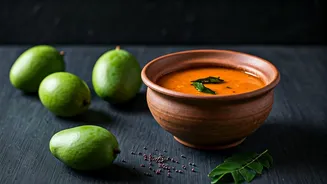
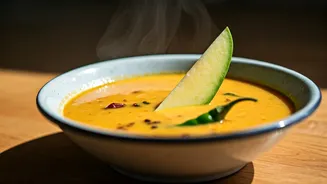
Now, here’s where things get interesting. Most traditional rasams get their sour kick from tamarind. But during mango season, a stroke of culinary genius swaps tamarind for the tartness of an unripe, green mango. Forget the sweet, fragrant orange flesh of the honey mangoes you know and love. We’re talking about the firm, pale, and powerfully sour green mango. This isn’t a flaw; it’s a feature. Its clean, sharp acidity provides a vibrant, zesty foundation that feels incredibly refreshing, especially in warm weather. It transforms the dish from earthy and deep to bright and electric, cutting through richness and waking up your palate.
Building the Layers of Flavor
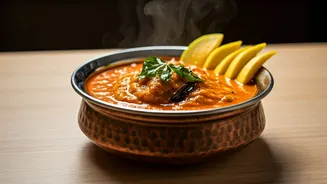
A great mango rasam is a masterclass in balancing flavors. The process starts with a simple base of cooked and mashed lentils, usually toor dal (split pigeon peas), which gives the soup its body and a subtle, earthy creaminess. To this, you add the star: grated or finely chopped green mango, which simmers until it releases its tart essence into the broth. The magic, however, happens in the final step, a technique known as tadka or tempering. A small amount of ghee or oil is heated until shimmering, and a symphony of spices—mustard seeds that pop and dance, cumin seeds, dried red chilies, fragrant curry leaves, and a pinch of asafoetida—are bloomed for a few seconds. This sizzling, aromatic mixture is poured directly into the rasam, infusing the entire pot with an irresistible fragrance and a final layer of complex flavor. It’s a multi-sensory experience before you even take the first sip.
How to Approach Making It
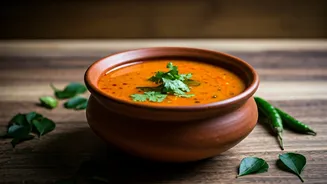
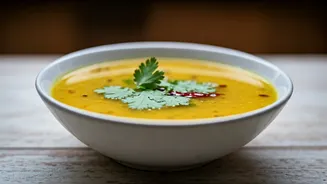
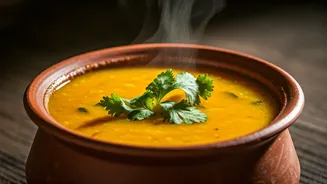
Don't be intimidated; mango rasam is more about technique than rigid rules. Start by boiling about half a cup of toor dal with a pinch of turmeric until it’s very soft. While it cooks, peel and grate one small green mango. Once the dal is cooked, mash it into a smooth paste and add water to create a thin, soupy consistency. Add the grated mango, salt, and a bit of chili powder or a slit green chili to the pot and let it simmer gently for about 10 minutes, allowing the mango’s flavor to infuse the broth. For the tempering, heat a tablespoon of ghee in a small pan, add a teaspoon each of mustard seeds and cumin seeds. When the mustard seeds pop, add a dried red chili, a sprig of curry leaves, and a pinch of asafoetida. Immediately pour this sizzling mixture over your rasam. Garnish with fresh cilantro and taste. It might need a bit more salt, but the sourness should be the star.
The Best Ways to Enjoy It
The beauty of mango rasam is its versatility. The most traditional way to serve it is poured over hot, fluffy white rice, perhaps with a side of a simple vegetable stir-fry (poriyal) and a crispy papadum. The rice soaks up the tangy broth, making for an incredibly satisfying and light meal. But don't stop there. You can also enjoy it as you would any soup—sipped slowly from a mug as a restorative, palate-cleansing starter before a heavier meal. Its bright acidity is the perfect counterpoint to rich curries or fried foods. It’s light enough for a summer lunch but flavorful enough to feel like a complete, nourishing experience.