
The Glow-Up of the Pantry
Walk into a high-end grocery store or browse a curated food website today, and you’ll see it: jars of shimmering, golden ghee next to the artisanal olive oils. Bags of single-origin turmeric with a farmer’s story on the label. Small-batch, intensely flavored
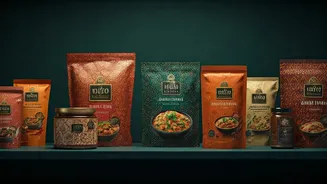
achaar (pickle) that feels more like a craft condiment than a dusty import. This is the new reality for Indian pantry staples. For years, these ingredients were relegated to the so-called 'ethnic' aisle—a food court ghetto where products were often generic, the packaging uninspired, and the connection to the source completely severed. They were functional, yes, but rarely celebrated. That era is decisively over. A new generation of entrepreneurs, many of them Indian Americans, are reclaiming these ingredients, giving them the beautiful packaging, transparent sourcing, and compelling narratives they’ve always deserved.
Beyond Ghee and Garam Masala
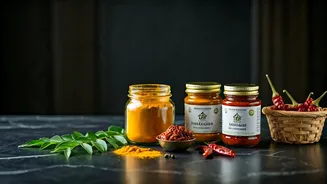
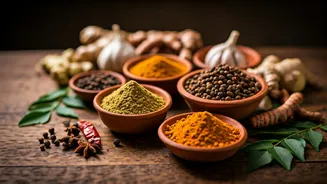
While ghee was an early breakout star, the movement now encompasses the entire spice box and larder. Take turmeric. Once a generic yellow powder, it’s now being presented with the reverence of fine wine. Companies like Diaspora Co. have built a brand on sourcing single-origin, heirloom spices directly from partner farms in India, paying farmers a premium and ensuring peak freshness and potency. Their Pragati Turmeric, with its high-curcumin content and vibrant, earthy flavor, is a world away from the stuff that’s been sitting on a supermarket shelf for years. Similarly, the world of achaar is being revolutionized. Brooklyn Delhi, founded by Chitra Agrawal, transformed the complex, funky, and utterly delicious Indian pickle from a household secret into a must-have condiment for everything from eggs to sandwiches. By using quality ingredients and accessible branding, they’ve introduced millions of Americans to a flavor profile that’s simultaneously ancient and thrillingly new.
The Founders Reclaiming the Narrative
This shift isn't just a marketing exercise; it’s deeply personal. The founders behind these brands are often second-generation immigrants who grew up navigating two cultures. They saw the incredible depth and quality of the food from their heritage and contrasted it with the flat, one-dimensional representation in the American market. Their mission is twofold: to de-commodify these ingredients and to reclaim the story behind them. Sana Javeri Kadri of Diaspora Co. started her company to dismantle the exploitative systems within the spice trade. Chitra Agrawal of Brooklyn Delhi wanted to share the flavors she grew up with in a way that felt authentic to her Indian American identity. These are not simply business ventures; they are acts of cultural translation and pride. They are telling a story that is complex, delicious, and unapologetically nuanced, and American consumers are proving they have the appetite for it.
A Permanent Shift in the American Palate
So why is this happening now? It's a perfect storm of factors. American palates have become more adventurous, constantly seeking new and authentic flavors. There's a growing consumer demand for supply chain transparency and ethical sourcing. And, crucially, the children and grandchildren of immigrants have come of age, armed with culinary knowledge, cultural confidence, and the entrepreneurial savvy to build brands that resonate. They are no longer asking for a seat at the table; they are building their own, laden with the vibrant, high-quality flavors of their heritage. This isn’t about making Indian food 'acceptable' to a Western audience by dumbing it down. It’s about presenting it in its full, glorious complexity and trusting that people will love it. The success of these brands proves that trust is well-founded.