


The Kitchen Became the Classroom
For decades, the promise of convenience food was simple: speed. It was about liberating people, primarily women, from the kitchen. But during the pandemic lockdowns, the kitchen transformed from a chore zone into a classroom, a laboratory, and a sanctuary.
We didn't just learn to cook; we learned about ingredients, techniques, and the difference between a bland meal and a vibrant one. We got pickier. We started reading labels. We developed opinions on everything from the quality of olive oil to the ethics of supply chains. This created a major challenge for the consumer packaged goods (CPG) industry. The old playbook of offering the fastest, easiest, and cheapest option suddenly felt dated. Consumers, armed with new skills and higher standards, began demanding more. They didn't just want a meal that was fast; they wanted a meal that felt like something they *could* have made themselves, if only they’d had the time. This shift in consumer expectations is the single biggest force reshaping the freezer aisle and the prepared foods section of your local grocery store.
From Meal Kits to Your Freezer
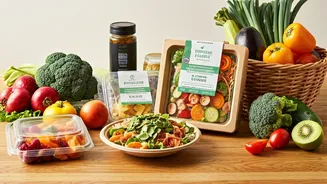
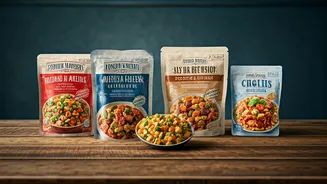
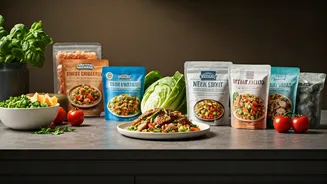
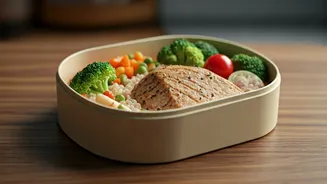
The bridge between hardcore home cooking and traditional convenience food was the meal kit. Services like Blue Apron and HelloFresh didn't just sell ingredients; they sold a curated culinary experience. They introduced millions to new flavors, like gochujang and preserved lemon, and normalized the idea of assembling a high-quality meal from pre-portioned components. They were a masterclass in making ambitious cooking feel accessible. Now, CPG giants are adopting the meal kit philosophy. Instead of a generic “Chicken and Rice” frozen dinner, you’ll find “Chicken Shawarma with Turmeric Rice and a Tahini Drizzle.” The components are separated to maintain texture, the spice blends are more complex, and the branding emphasizes culinary discovery. It's a direct lesson from the home kitchen: people enjoy the process of combining elements to create a final dish. By deconstructing their meals, brands like Conagra (Healthy Choice) and Nestlé (Life Cuisine) are giving consumers a small sense of participation and a much better final product.
Clean Labels and Global Palates
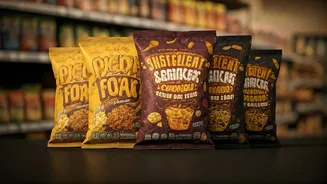
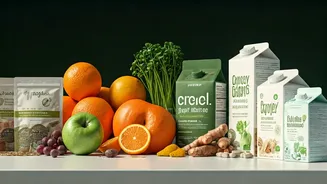
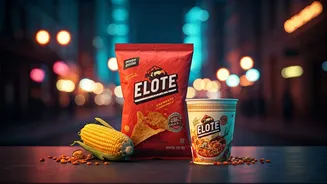
Two of the biggest trends born from the home cooking renaissance are the demand for “clean labels” and an explosion in global flavor profiles. When you cook from scratch, you know exactly what’s in your food. This transparency has led to a deep suspicion of long, unpronounceable ingredient lists in packaged foods. In response, companies are aggressively reformulating products to remove artificial preservatives, colors, and flavors. The marketing now proudly proclaims “made with ingredients you can pronounce” or highlights simple lists of whole foods. Simultaneously, as people got bored with their own cooking ruts, they turned to the internet for inspiration, exploring the cuisines of Thailand, Korea, Mexico, and the Middle East. Convenience brands followed suit. Where you once found only Italian or vague “Asian-inspired” options, shelves are now filled with products featuring birria, Thai green curry, and peri-peri sauce. These aren’t watered-down versions; companies are investing in authenticity, realizing that the modern consumer knows the difference.
The New Meaning of Convenience
Ultimately, the biggest lesson convenience food has learned is that “convenience” no longer just means speed. It means reducing the mental load of meal planning. It means providing a delicious, satisfying dinner without the guilt or the feeling of compromise. It’s about outsourcing the most time-consuming parts of cooking—the chopping, the simmering, the sauce-making—while still delivering an experience that feels wholesome and intentional. The new wave of convenience food isn't trying to replace your home cooking. It’s trying to be its best understudy, ready to step in on a busy Tuesday night and deliver a performance that earns a round of applause. It’s a meal that tastes like you care, even when you’re too tired to.