



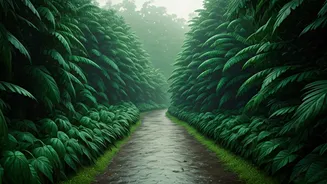
First, What Are the Western Ghats?
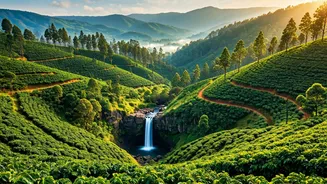
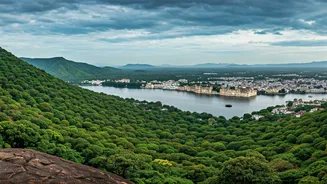
Imagine a 1,000-mile-long mountain range running parallel to the western coast of India, older than the Himalayas. This UNESCO World Heritage site is a global biodiversity hotspot, a sprawling expanse of misty mountains, dense forests, and spice plantations.
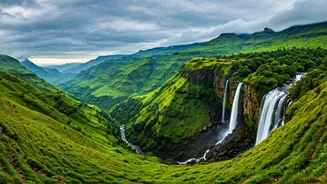
For a sense of scale, think of it as the Appalachian Trail of India, but tropical and packed with elephants, tigers, and thousands of unique plant species. During the dry season, it’s beautiful. But when the monsoon rains arrive from June to September, the entire landscape transforms into something otherworldly. The mountains turn an impossible, electric green, and water explodes from every crevice.
It’s a Full-Blown Sensory Experience
A monsoon trek in the Ghats isn't just a walk in the woods. It’s a full-body immersion. You’ll feel the cool mist on your face miles before you see the waterfall. You’ll hear the roar of the water echoing through the valleys, a sound so powerful it vibrates in your chest. You’ll smell the damp earth, the wet leaves, and the fragrant wildflowers that bloom only during this season. The trails, often muddy and slick, demand your full attention. This isn't a sanitized, hand-railed experience; it's a raw, rewarding encounter with nature at its most powerful and alive.
The Waterfalls Are Straight Out of a Movie
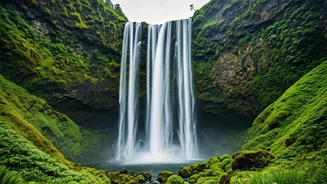
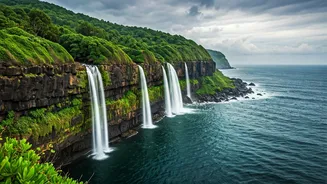
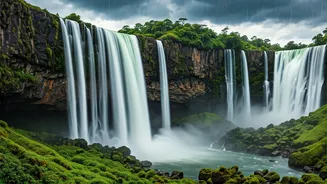
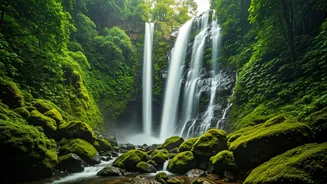
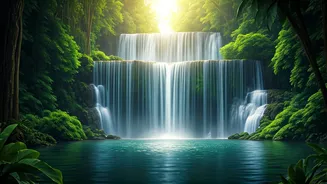
We’re not talking about gentle cascades. The falls here are spectacular, world-class giants. Take Dudhsagar Falls in Goa, whose name means “Sea of Milk.” It’s a four-tiered behemoth that a railway line crosses right through the middle, creating one of the most iconic sights in India. Or consider Jog Falls in Karnataka, which, during peak monsoon, becomes a single, colossal plunge waterfall, one of the most powerful in the country. In Kerala, Athirappilly Falls is known as the “Niagara of India,” a wide, thunderous curtain of water so cinematic it’s a favorite backdrop for Bollywood films. Each one requires a journey, making the final reveal that much more breathtaking.
The Journey Is an Adventure Itself
While the headline calls it a “weekend move”—and for locals in Mumbai, Pune, or Bengaluru, it is—for an American traveler, this is the centerpiece of a larger trip. Getting to these remote spots is part of the magic. It might involve a bumpy jeep ride through winding mountain roads, a trek through a leech-infested (but beautiful) forest, or even hopping on a local train that winds its way through stunning viaducts. This isn’t an Uber-to-the-trailhead situation. It’s an adventure that forces you to slow down, interact with locals, and earn that final, jaw-dropping view. You don't just see the destination; you live the journey to get there.
The Reward: Chai and Pakoras
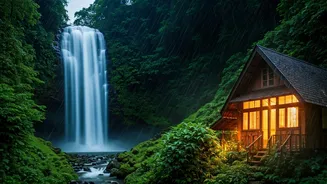
After a few hours of slipping and sliding your way to a magnificent waterfall, soaked to the bone but grinning from ear to ear, there is no greater pleasure on Earth than the post-hike reward. Almost every trailhead or nearby village will have a small stall or shack selling two things: piping hot, sweet masala chai (spiced tea) and crispy, deep-fried pakoras (vegetable fritters). Huddled under a tin roof, listening to the rain hammer down while you warm your hands on a cup of tea, you’ll feel a sense of profound satisfaction. It’s simple, delicious, and the perfect, soul-warming end to an incredible day.