
Beyond the Bollywood Cliché
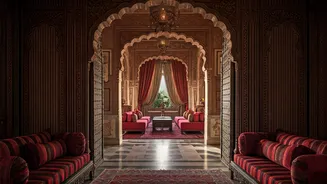
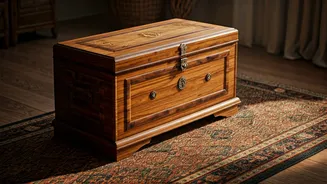
Let’s be honest: the Western idea of Indian design has long been stuck in a time warp. It was a pastiche of styles flattened into an easily exportable “ethnic” look—think ornate, dark-wood furniture, silk cushions in every shade of fuchsia and saffron,
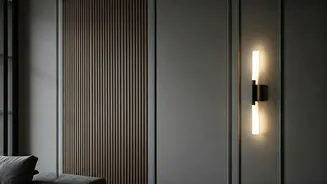
and an overabundance of intricate patterns. It was more of a costume for a room than a reflection of contemporary Indian life. But a new generation of designers and homeowners, both in India and across the diaspora, is pushing back. They are tired of the generic and are instead looking inward and backward—not to a mythical, opulent past, but to the humbler, more honest traditions of vernacular architecture and local craftsmanship. The new Indian interior isn't about shouting its origins; it’s about whispering them through texture, material, and form. It’s less about a decorated space and more about a curated one that feels personal, grounded, and deeply connected to its roots.
The Power of Natural Materials
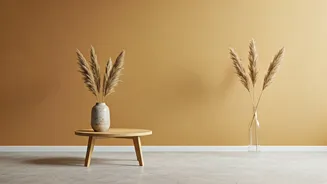
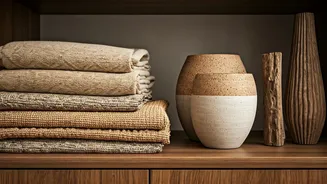
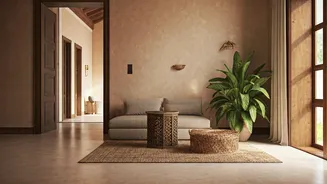
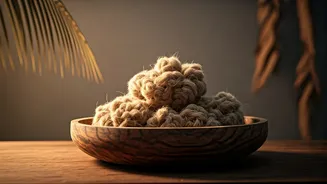
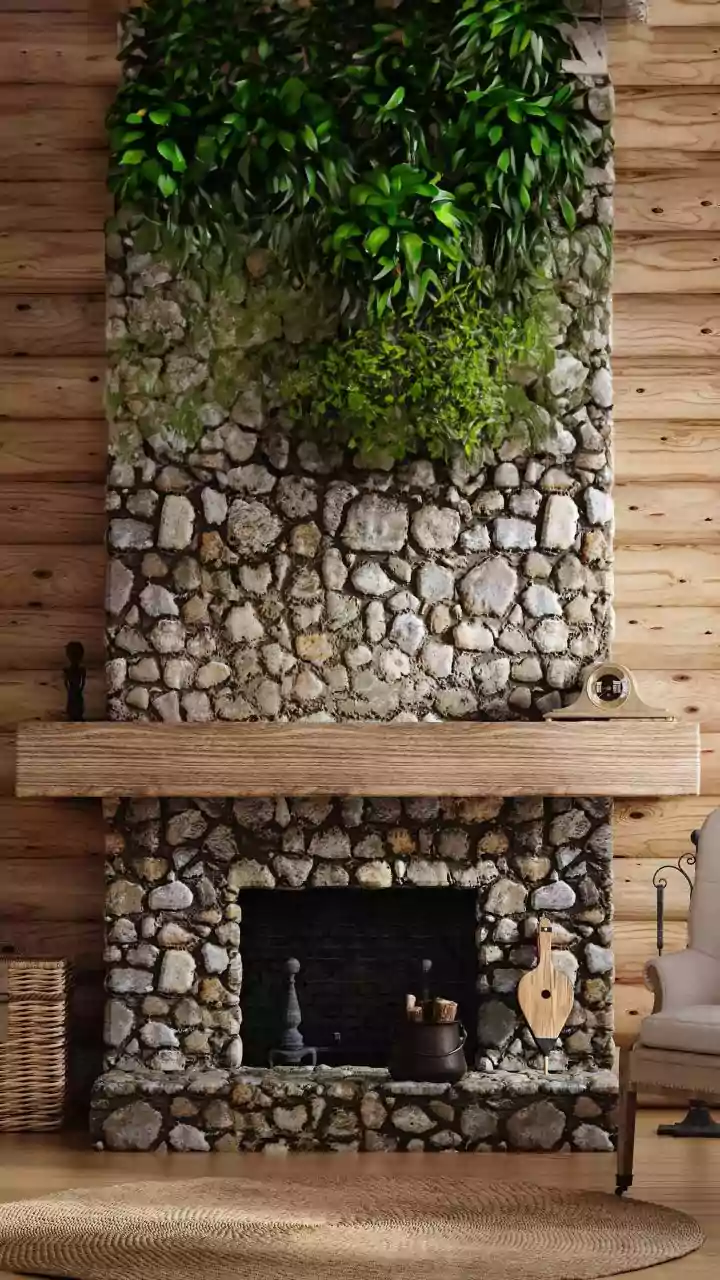
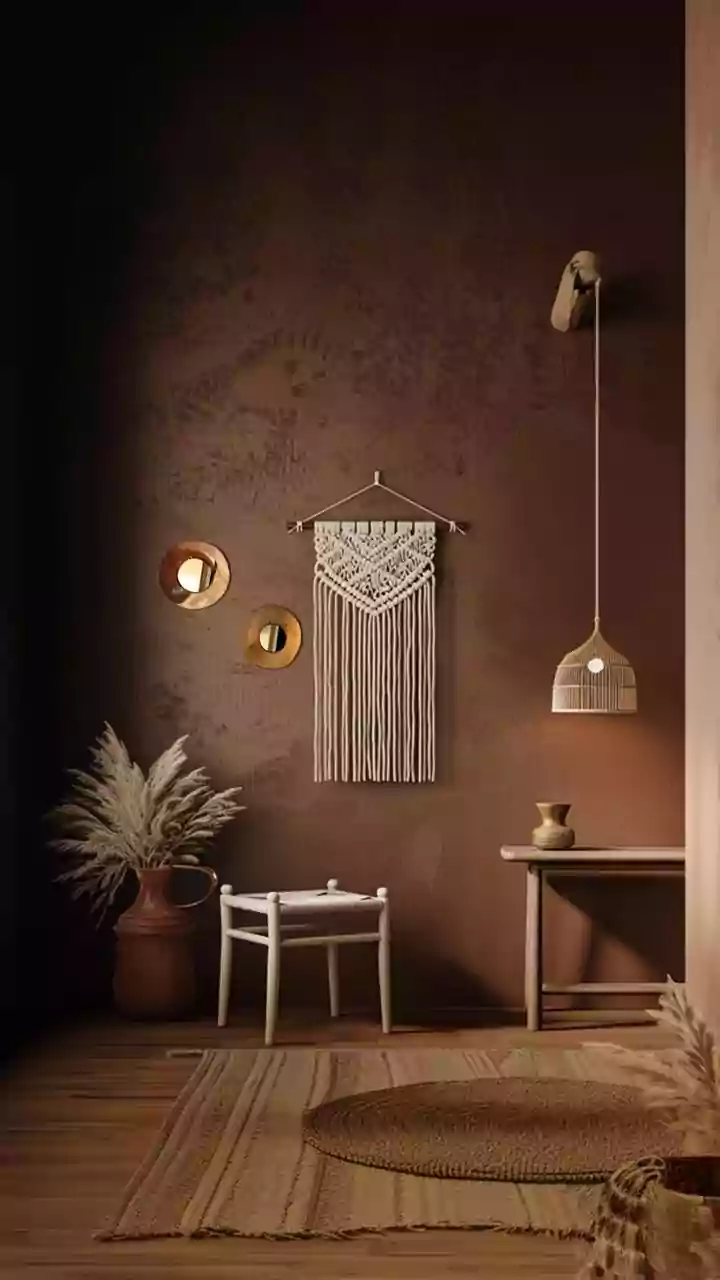
At the heart of this movement is a profound respect for raw, earthy materials. The synthetic gloss of the past is being replaced by the matte, tactile honesty of the earth. Walls are being finished with lime wash (*chuna*), a traditional plaster that gives surfaces a soft, breathable, and beautifully imperfect texture. Floors are seeing a revival of terrazzo, often embedded with local stones, and the humble red of terracotta tiles is being celebrated once again. Wood is essential, but not the heavily carved, polished teak of yesterday. Instead, designers are opting for lighter tones, reclaimed timber, and woods that showcase their natural grain and imperfections. This is complemented by an abundance of cane, jute, and rattan, woven into chairs, cabinets, and screens. These materials bring a lightness and warmth to a space, connecting it to the outdoors and championing sustainability over mass-produced plastics and metals. It’s a design language that values patina over perfection.
Celebrating the Hand of the Artisan
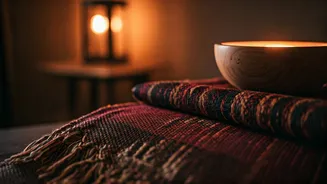
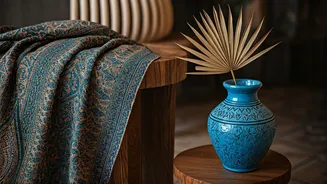
This renewed focus on authenticity has naturally led to a renaissance for handcrafted goods. Rather than buying mass-market decor, people are seeking out objects that tell a story—pieces made by skilled artisans using age-old techniques. This includes everything from hand-thrown pottery and custom block-printed textiles to hand-knotted rugs and minimalist brassware. The difference is palpable. A machine-made cushion cover feels anonymous; a hand-block-printed one carries the subtle variations of the human touch. This philosophy extends beyond small decor items. Furniture is increasingly being sourced from small, local workshops that prioritize quality and craftsmanship over speed and volume. The result is a home filled not with “stuff,” but with treasures that carry history, skill, and a distinct sense of place. It’s a quiet rebellion against the sameness of globalized design.
Modernizing Timeless Forms
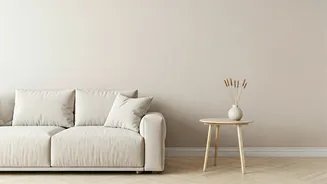
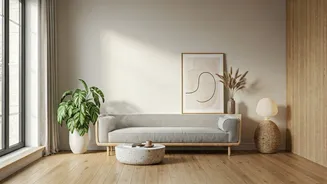
This trend isn’t about creating a historical museum. It’s about thoughtfully integrating traditional Indian forms into clean, contemporary living spaces. The genius lies in the translation. For example, the *charpai*, a simple woven-rope daybed, is being reimagined as a sleek, minimalist bench or lounger. The intricate *jali*, a traditional perforated screen used for ventilation and privacy, might be simplified into a geometric room divider made of wood or metal. Even color palettes are being reinterpreted. The vibrant hues are still present, but they are used more sparingly and intentionally. A deep indigo might appear on a single statement wall, or a splash of turmeric yellow might brighten a neutral-toned room through a few carefully chosen cushions. The overall effect is balanced and serene, proving that Indian design can be both modern and deeply rooted at the same time. It’s about essence, not excess.