


A Land Beyond the Clouds
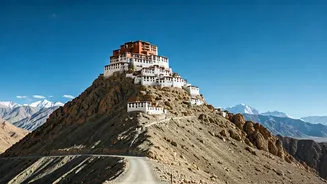
To reach Ladakh is to feel as though you’ve ascended to another planet. Tucked into the northernmost reaches of India, this high-altitude desert is a realm of extremes. The air is thin and crisp, the sunlight sharp and unfiltered, and the silence profound.
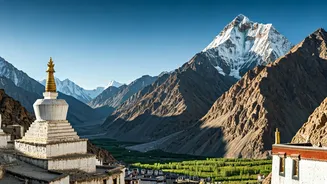
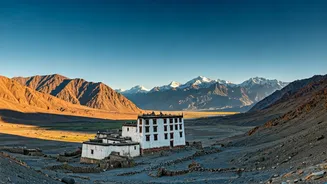
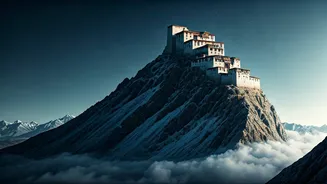
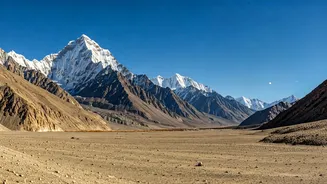
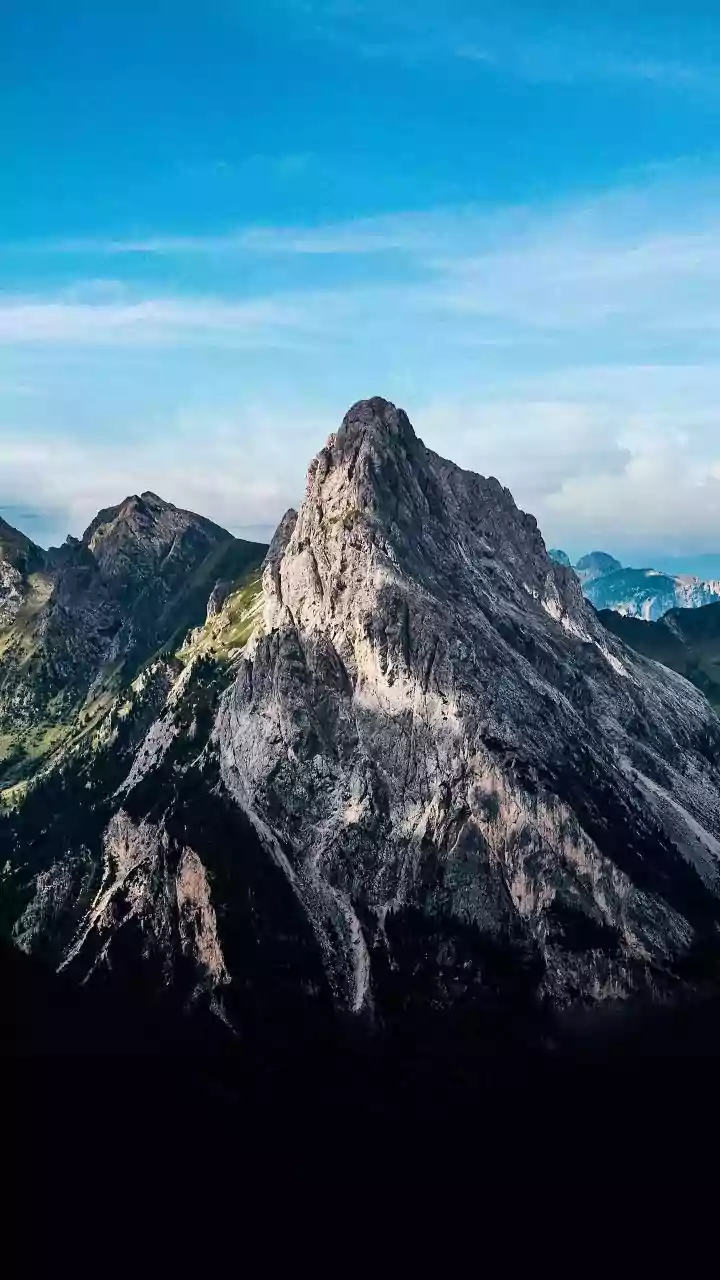
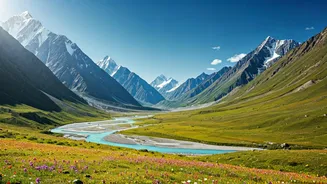
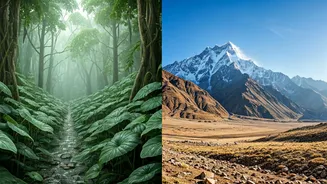
Jagged, snow-dusted peaks claw at a sky so blue it feels almost artificial. Below them, barren mountainsides cascade in folds of brown, ochre, and violet, sculpted by wind and time into surreal formations. This isn't the lush, green Himalayas of popular imagination; this is the rain shadow, a starkly beautiful landscape that forces a sense of perspective. It’s a place where you feel small, but in the best possible way—a tiny spectator to nature’s grandest theater. Driving the winding roads from the capital, Leh, the world seems to fall away, replaced by an overwhelming sense of space and geological time.
The Hidden Sanctuary of Hemis
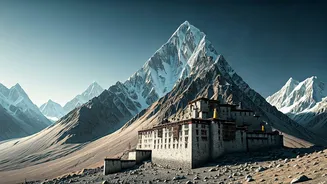
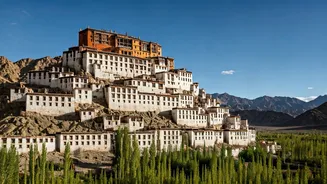
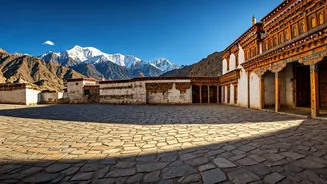
Tucked away in a gorge of the mighty Indus River, about 25 miles from Leh, Hemis Monastery doesn't immediately reveal itself. Unlike monasteries perched dramatically on hilltops, Hemis is nestled in a valley, a hidden gem that has been a center of spiritual life since the 17th century. As the wealthiest and largest monastery in Ladakh, its structures climb the hillside in a cascade of white-washed walls, crimson-painted woodwork, and golden finials that glitter in the high-altitude sun. Founded under the patronage of the Ladakhi king Sengge Namgyal, Hemis is the main seat of the Drukpa lineage of Tibetan Buddhism. Walking into its main courtyard feels like stepping back centuries. The air is thick with the scent of juniper incense and melting yak butter lamps, and the walls are adorned with vibrant, intricate murals depicting deities, mandalas, and the life of the Buddha. This is not a museum; it is a living, breathing center of faith.
When the Gods Descend to Dance
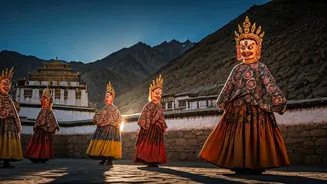
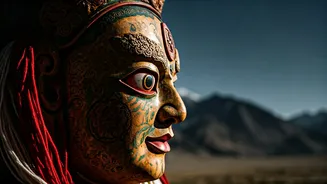
Once a year, the quiet reverence of Hemis erupts into a riot of color, sound, and sacred drama. The Hemis Festival, held in honor of Guru Padmasambhava (the 8th-century master who is credited with bringing Buddhism to Tibet), transforms the monastery’s main courtyard into a celestial stage. For two days, monks don elaborate silk costumes and fearsome, larger-than-life masks to perform the 'cham,' or sacred masked dances. These are not mere performances but deep meditative rituals. Each stomp of the foot, each turn of the head, is a symbolic act, meant to vanquish evil spirits, impart moral teachings, and bestow blessings upon all who witness them. The slow, hypnotic rhythm of long horns, cymbals, and drums provides a primal soundtrack as deities and demons from the Buddhist pantheon come to life, spinning and leaping before a captivated audience of locals and travelers from across the globe.
The Spirit of the Place
While the festival is a spectacular draw, the true magic of Hemis lies in its enduring spirit. It’s found in the quiet moments: watching a young novice monk chase a pigeon across the stone courtyard, listening to the low murmur of prayers echoing from a darkened prayer hall, or sharing a cup of salty butter tea with a wizened local who has made the pilgrimage on foot. The otherworldly landscape and the ancient traditions are not separate entities here; they are one. The resilience required to thrive in this harsh environment is mirrored in the deep, unshakable faith of its people. The mountains provide isolation, which in turn has preserved a culture that feels both ancient and vitally alive. A visit to Hemis is more than just sightseeing; it’s an immersion into a worldview where the spiritual and the physical are completely intertwined, and where the silence of the mountains speaks volumes.