



The Golden City in Waiting
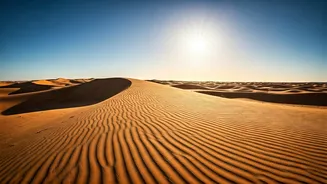
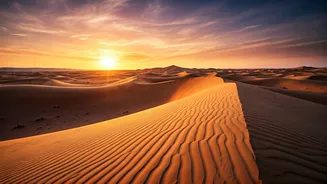
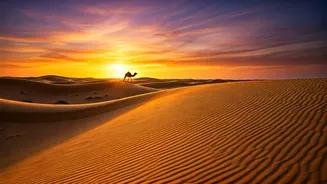
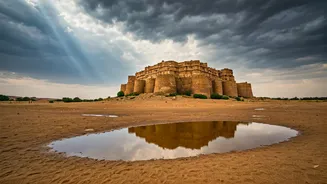
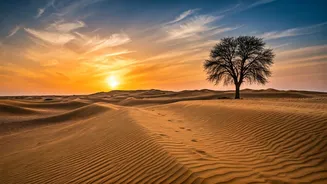
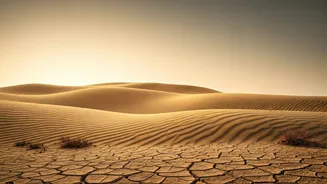
For most of the year, Jaisalmer is exactly what you’d expect a medieval desert fortress to be: a masterpiece of golden-yellow sandstone shimmering in the heat. Its formidable fort, a living citadel that’s home to thousands, rises from the arid landscape
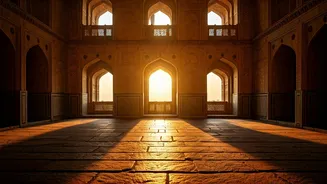
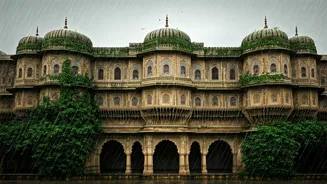
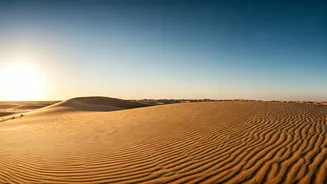
like a colossal sandcastle. The narrow lanes below are a labyrinth of intricately carved *havelis* (traditional mansions), their ornate facades designed to play with the sharp desert light, creating a stark contrast of sun and shadow. Tourists and locals alike navigate the city under a vast, piercingly blue sky. The sun is the city’s constant companion, its defining feature, baking the stone to a warm honeyed hue and cementing its reputation as India’s “Golden City.” This is the Jaisalmer of brochures and imaginations—a place of brilliant light and profound heat.
The Paradox of a Dry Monsoon
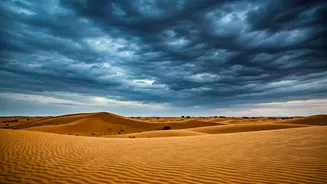
But then comes the monsoon season, from roughly July to September. In most of India, this means a deluge—a dramatic, life-giving downpour that turns the landscape a vibrant green. In the arid expanse of Rajasthan, however, the monsoon is a more fickle beast. Sometimes, it delivers what’s known as a “break” or a dry spell. The atmospheric conditions shift, and moisture-laden clouds roll in from the Arabian Sea, blanketing the sky for days on end. The humidity climbs, making the air thick and heavy. A restless wind whispers through the city’s ramparts. Everything feels pregnant with the promise of rain. Yet, the rain never falls. This is the “dry monsoon”—a period of intense anticipation, where the sky is a dramatic canvas of churning grey clouds, but the earth below remains parched. It’s a meteorological limbo, a moment of surreal tension.
A City Bathed in Soft Light
This is when Jaisalmer becomes truly unreal. Stripped of the harsh sun, the city’s character undergoes a profound transformation. The golden sandstone loses its fiery glare and instead glows with a soft, ethereal luminescence. Under the diffused, silver light of the overcast sky, the intricate carvings on the havelis emerge with a subtle, three-dimensional clarity that the sharp shadows of midday normally obscure. The entire color palette shifts from warm yellows and stark blacks to a muted spectrum of ochre, amber, and gentle grey. The city, usually defined by its relationship with the sun, is suddenly defined by its absence. The effect is cinematic and deeply atmospheric. It feels less like a real place and more like a matte painting from a fantasy epic—ancient, moody, and impossibly beautiful. The vibrant turbans of Rajasthani men and the brightly colored saris of women pop against the muted backdrop, becoming pinpricks of intense color in a monochrome world.
The View from the Ramparts
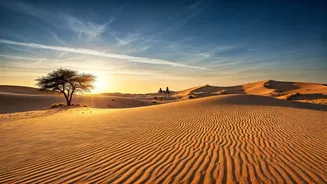
Standing atop the ancient walls of Jaisalmer Fort during a dry monsoon is an experience that borders on the spiritual. The usual sharp horizon where desert meets sky dissolves into a soft, hazy blur. Looking down, the city unfolds not as a sun-drenched spectacle but as a quiet, contemplative tapestry of stone. The sounds of the city seem different, too—muffled by the heavy air, carrying a certain weight. You can see the surrounding Thar Desert stretching out in all directions, not under a punishing sun, but resting under a protective blanket of cloud. The wind carries the scent of damp earth and distant, phantom rain. It’s a moment of tranquility and immense scale, a quiet spectacle where the desert’s raw power feels both tamed and amplified by the brooding sky above. In this mood, Jaisalmer isn't just a historic site; it's a living, breathing entity, holding its breath and waiting.