





The Burnout of the Before-and-After
You know the formula. A grainy, poorly lit “before” photo is juxtaposed with a sun-kissed, flexed “after” shot. The caption promises that you, too, can achieve this miraculous transformation by following a punishing new diet or a grueling workout plan.
For over a decade, this was the dominant currency of online fitness culture. It was compelling, shareable, and highly motivational—for about five minutes. Then came the inevitable crash. This all-or-nothing approach fostered a culture of failure. If you couldn’t stick to the extreme regimen, you didn’t just fail the program; you failed, period. This cycle of intense effort, burnout, and guilt left many people feeling worse about themselves than when they started. The “glow-up” narrative, while visually appealing, often ignored mental health, sustainability, and the simple reality that life often gets in the way of a perfect fitness plan. The promise of a quick fix started to feel like a trap.
The Quiet Power of the Habit Journal
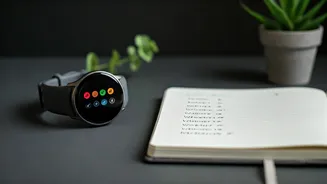
Enter the new guard. Scroll through TikTok or Instagram Reels today, and you’re just as likely to see a creator filling out a habit tracker in a simple notebook as you are to see them lifting a heavy weight. Instead of touting a 90-day shred, they’re talking about “habit stacking,” “atomic habits,” and the power of the 1% improvement. The focus isn’t on the final destination but on the small, repeatable actions that lead to gradual progress. Their content is less about shocking transformations and more about the mundane, oddly satisfying act of showing up. They film themselves making their bed, drinking a glass of water, going for a 10-minute walk, and then checking it off a list. The celebration isn’t reserved for a finish line; it’s for each tiny step taken along the way. This shift democratizes wellness, framing it not as a mountain to be conquered, but as a path to be walked one day at a time.
Why Process Is the New Perfection
This trend isn’t just about fitness; it’s a reflection of a broader cultural shift. In a world of filtered realities and constant pressure to perform, there’s a growing hunger for authenticity and sustainability. Tracking habits resonates because it’s honest. It acknowledges that progress is messy and non-linear. Miss a day? No problem. The goal isn’t an unbroken streak of perfection; it’s the long-term average. The psychology is powerful. Instead of chasing a distant, intimidating goal (like “lose 30 pounds”), the focus is on a manageable, immediate action (like “walk around the block after dinner”). Each checkmark on the habit tracker delivers a small hit of dopamine, creating a positive feedback loop that builds momentum. This approach reframes fitness from a form of self-punishment into a practice of self-care. It’s less about how your body looks and more about honoring the promises you make to yourself, building confidence and resilience in the process.
Starting Your Own Streak
The beauty of this approach is its accessibility. You don’t need an expensive gym membership or a complicated meal plan to start. All you need is a piece of paper and a pen, or a simple app on your phone. The key is to start ridiculously small. Don't commit to a one-hour workout every day; commit to putting on your workout clothes. The goal is to make the habit so easy that you can’t say no. Want to drink more water? Start with one extra glass. Want to read more? Start with one page. Identify a few non-negotiable habits that will make you feel good and track them. Some popular choices include: a short walk, 5 minutes of stretching, reading 10 pages, or tidying one small area of your home. The specific habits are less important than the act of tracking them. Don't aim for a perfect month. Aim to be a person who tries, rests when needed, and then tries again tomorrow.