


The Spice Cabinet Pharmacy
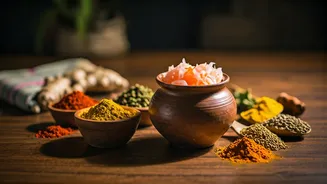
Long before “anti-inflammatory” became a wellness buzzword, Desi kitchens were harnessing the power of spices to aid digestion and promote health. The humble spice box, or masala dabba, is a veritable pharmacy. Turmeric, with its active compound curcumin,
is celebrated for its ability to calm inflammation throughout the body, including the gut lining. Ginger is a carminative, meaning it helps expel gas and soothe intestinal activity, making it a go-to remedy for nausea and indigestion. Cumin seeds are traditionally used to stimulate enzymes that aid in digestion and nutrient absorption. Meanwhile, fenugreek (methi) is rich in soluble fiber, which can help promote regularity and feed beneficial gut bacteria. These aren’t just flavor enhancers; they are functional ingredients woven into the fabric of daily meals, working subtly and consistently to maintain digestive balance.
The Power of Probiotics
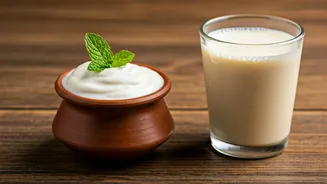
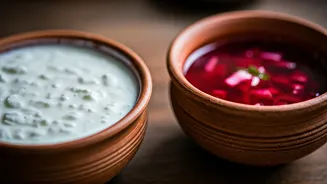
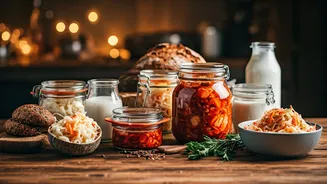
The Western world has recently embraced yogurt for its probiotic benefits, but for centuries, dahi (homemade yogurt) has been a non-negotiable part of the South Asian plate. Served as a cooling raita, blended into a lassi, or simply eaten plain with a meal, dahi introduces live bacterial cultures that are essential for a healthy gut microbiome. These beneficial bacteria help break down food, produce essential vitamins, and crowd out harmful pathogens. Beyond dahi, fermentation is key to many regional specialties. The batter for South Indian staples like idli and dosa is fermented, making the grains and lentils easier to digest and their nutrients more bioavailable. Even traditional pickles (achaar), when made authentically and consumed in moderation, can be a source of probiotics, offering a complex, tangy punch of flavor that also supports gut function.
More Than Just Ingredients
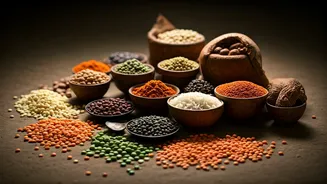
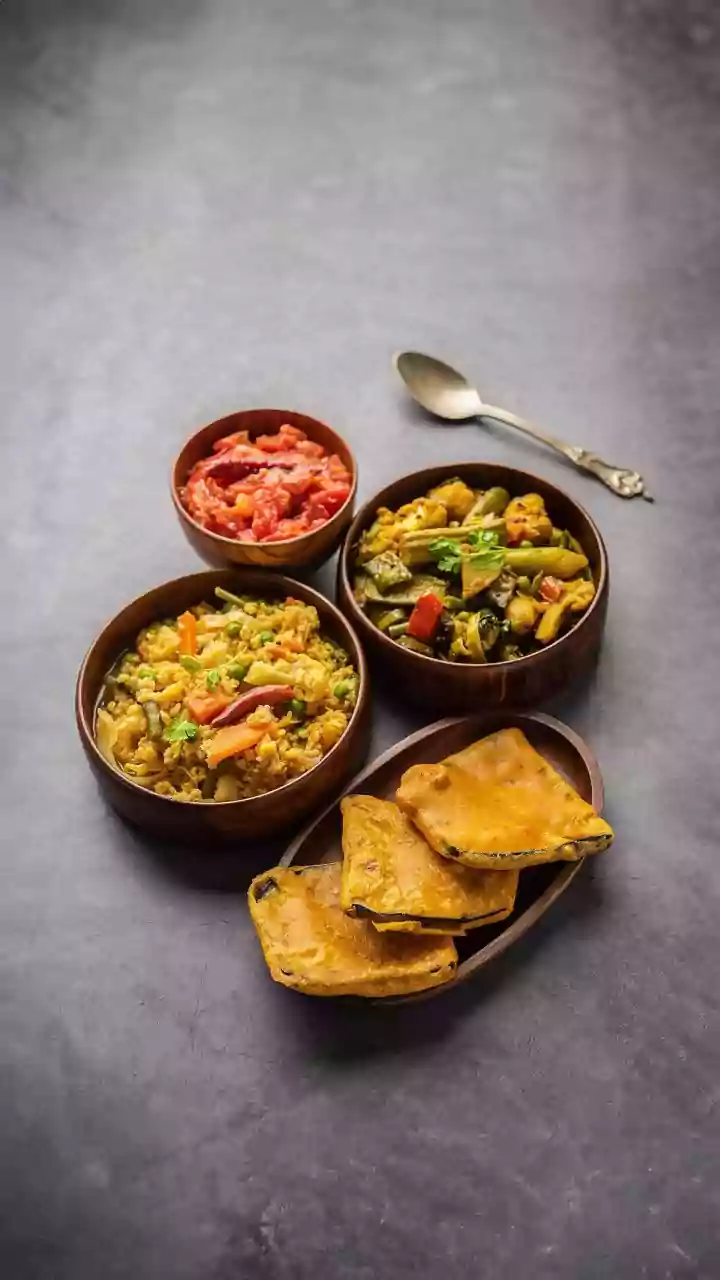
The wisdom of the Desi kitchen extends far beyond specific ingredients. It’s a holistic system. Ayurvedic principles, which often inform home cooking, emphasize the importance of balance. This includes balancing the six tastes (sweet, sour, salty, bitter, pungent, and astringent) in a meal to ensure satisfaction and proper digestion. There's also an emphasis on cooked foods, which are generally easier for the body to break down than raw ones—think comforting bowls of dal and sabzi (cooked vegetables) over large, raw salads. Lentils and legumes, the cornerstone of vegetarian cooking, provide an incredible source of prebiotic fiber. This type of fiber isn't digested by you, but instead acts as food for your friendly gut microbes, allowing them to thrive. This focus on warm, cooked, fiber-rich meals creates an ideal environment for digestive comfort.
Reclaiming Tradition in a Modern World
In the U.S., the perception of South Asian food is often shaped by restaurant fare, which can be overly rich, heavy with cream, and fried—a far cry from the balanced, nourishing meals prepared at home. The shift towards more processed foods and a departure from traditional cooking methods has coincided with a rise in digestive complaints like acid reflux, bloating, and IBS within the diaspora. Reclaiming gut health, therefore, is an act of reclaiming heritage. It doesn't require a radical overhaul. It can start small: ensuring your meals include a dollop of plain yogurt, incorporating ginger and turmeric into your daily cooking, or choosing a simple, home-style dal over a heavy curry. It’s about understanding that the answers aren't in a new fad diet, but in the time-honored wisdom that was always simmering on the stove.