





Welcome to the EBT Unboxing
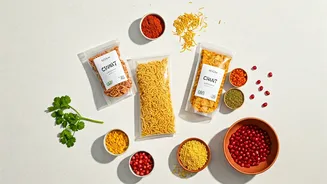
The scene is familiar to anyone on the younger end of social media. A creator stands in their kitchen, a colorful pile of groceries from Trader Joe’s, Whole Foods, or a local farmers market spread across the counter. The caption might read, “What my $280
SNAP benefit got me this month.” This is the “EBT haul” or “SNAP unboxing,” a burgeoning genre of content where creators document their food stamp-funded grocery trips. They showcase everything from organic produce and oat milk to budget-friendly staples. The tone isn't one of shame, but of savvy resourcefulness. Viewers see meticulously planned shopping trips designed to maximize nutrition and flavor on a limited budget. Comments flood in, not with judgment, but with questions: “How did you get so much for that amount?” or “Thanks for the meal ideas!” This isn't just about showing off food; it's a form of content creation that blends financial transparency, practical advice, and a distinctly modern form of personal branding.
Flipping the Script on Stigma
For decades, using food assistance carried a heavy social stigma. The generic, non-descript card was designed for discretion, a tool to be used quietly, almost secretively. The very idea of “flexing” it would have been unthinkable. But Gen Z and younger millennials, a cohort that came of age during economic instability and is now facing record inflation and precarious employment, have a different relationship with money. They are more likely to discuss salaries, student debt, and financial struggles openly. In this new cultural landscape, hiding the reality of needing assistance feels less important than being authentic. By turning the EBT card into a prop for a popular content format—the “haul” video—these creators are systematically dismantling the shame associated with it. They are reframing government assistance not as a personal failure, but as a practical tool for navigating a challenging economic system. The flex isn't about being rich; it's about being smart, resilient, and unapologetically real.
More Than a Flex, It's a Service
While the term “flex” captures the confident, show-off-y nature of the trend, it misses a crucial element: utility. Many of these videos function as public service announcements for a new generation. Creators share tips on how to apply for SNAP (Supplemental Nutrition Assistance Program), demystify the eligibility requirements, and offer hacks for stretching benefits further. They might show how to turn a bag of potatoes and some cheese into three different meals or which stores offer the best value for fresh produce. For millions of young Americans who may be eligible for benefits but don't know where to start, these videos are an accessible, non-judgmental entry point. They create community in the comments section, where users swap recipes and offer encouragement. In this sense, the “flex” is a Trojan horse. The initial hook might be the spectacle of a large grocery haul, but the lasting value is in the shared knowledge and collective empowerment.
The Economic Reality Behind the Camera
This trend didn’t emerge in a vacuum. It’s a direct response to the economic pressures facing young adults in the U.S. While previous generations may have seen food assistance as something for the chronically unemployed or disabled, today it's a lifeline for students, gig workers, and even full-time employees whose wages haven’t kept pace with the cost of living. A 2022 survey found that a significant portion of college students face food insecurity, and many workers in the service industry rely on SNAP to supplement their income. The rise of the EBT flex is a cultural indicator of this economic reality. It’s a way for a generation to acknowledge, without shame, that the American Dream of self-sufficiency feels increasingly out of reach. The cheerful, can-do attitude of the videos masks a more somber truth: for many, this isn't a choice, it's a necessity. The performance is simply a way of owning the narrative.