


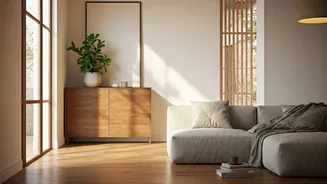
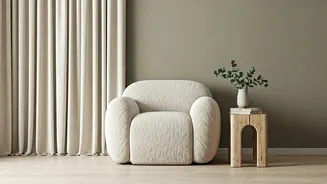
Start with a Grounded Color Palette
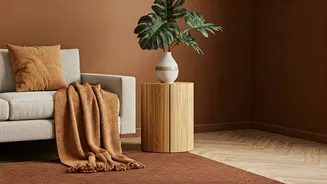
The foundation of any earthy design is its color scheme. Forget sterile whites and jarring neons; this aesthetic is about drawing from nature’s own palette. Think of the colors you’d see on a desert hike or a walk through the forest. Warm terracottas,
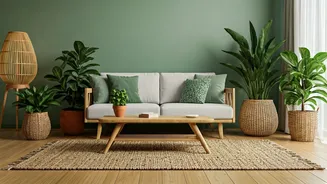
deep ochres, and soft tans create an immediate sense of warmth, reminiscent of sun-baked clay and sandy shores. Complement these with shades of muted green—from soft sage to rich olive—to evoke a feeling of lush tranquility. These colors are inherently soothing because they’re familiar to our eyes. When painting a room, even a single accent wall in a warm beige or dusky rose can dramatically shift the energy from cold and clinical to inviting and comfortable.
Lean into Natural Materials
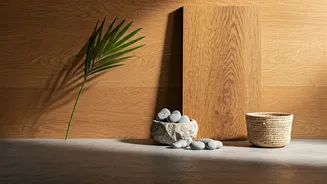
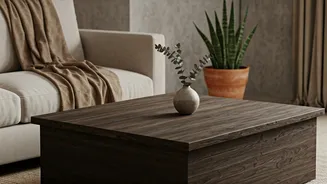
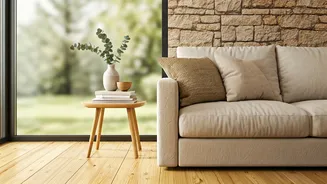
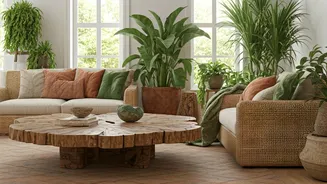
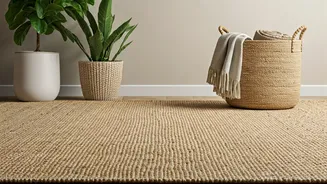
To truly bring the outdoors in, you need to think beyond color and consider materials. Earthy interiors are defined by their use of authentic, unprocessed elements. Swap out plastic and chrome for warm woods like oak, walnut, or reclaimed pine. A simple wooden coffee table, a set of shelves, or even picture frames can anchor a room. Rattan and wicker are perfect for chairs, light fixtures, and decorative baskets, adding a layer of handcrafted, bohemian charm. On the floor, a jute or sisal rug not only feels great underfoot but also introduces a rustic, textural element that synthetic fibers can’t replicate. These materials aren’t just for looks; they connect our living spaces to the natural world.
Prioritize Rich, Varied Textures
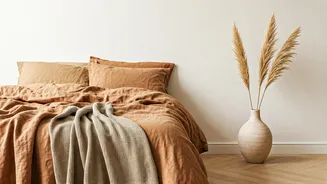
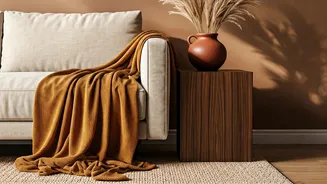
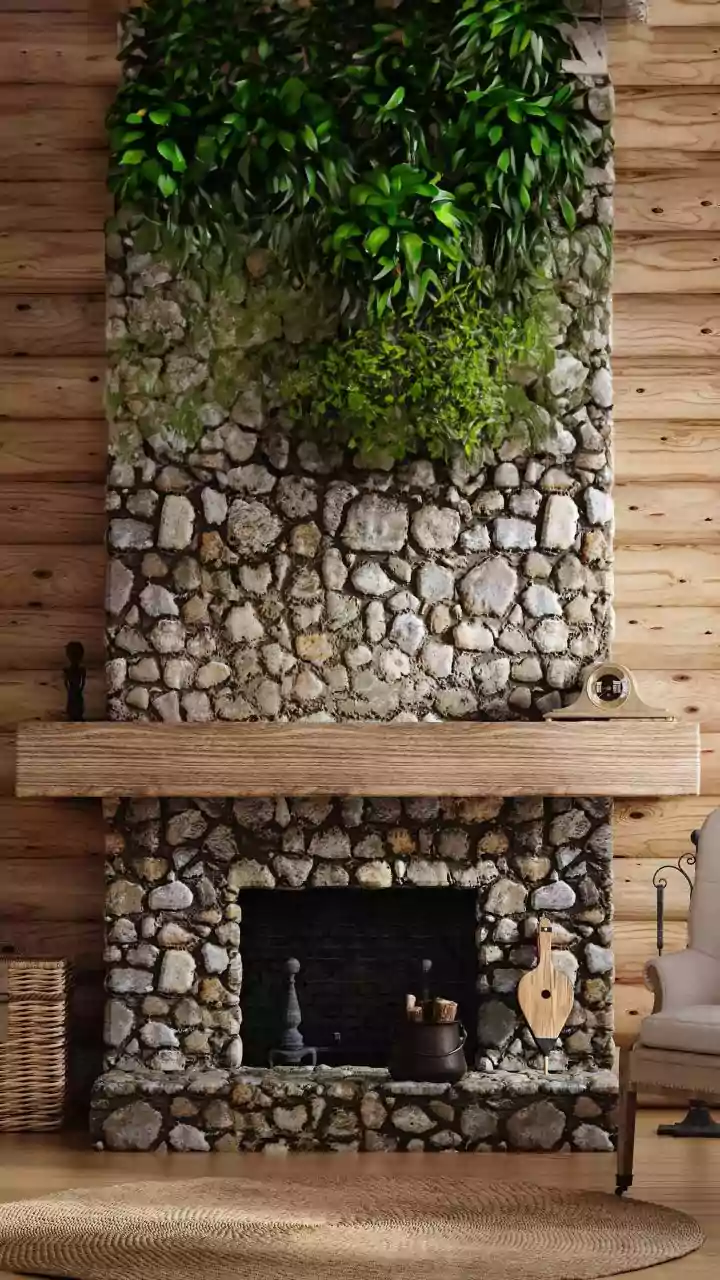
A room without texture can feel flat and lifeless, no matter how beautiful the colors. The earthy look thrives on a rich tapestry of tactile surfaces. Think about how different materials feel to the touch. Drape a chunky wool throw over your sofa, pile on some linen or raw cotton pillows, and consider corduroy or bouclé for accent chairs. These fabrics invite you to get comfortable. On your surfaces, don’t shy away from ceramics, stone, and clay. A collection of unglazed pottery, a marble cheese board left out on the counter, or a slate coaster set adds a sense of permanence and history. The interplay between soft textiles and hard, natural surfaces is what gives an earthy interior its depth and character.
Embrace Organic Shapes and Imperfection
Nature rarely deals in perfectly straight lines and sharp angles. To create a space that feels truly organic, look for furniture and decor with softer, more rounded silhouettes. A curved sofa, a round coffee table, or a mirror with an irregular, amoeba-like shape can break up the boxiness of a room and create a more relaxed, gentle flow. This philosophy also extends to embracing imperfection. The Japanese concept of wabi-sabi—finding beauty in imperfection—is a cornerstone of earthy design. A piece of wood with a visible grain, a handmade vase that’s slightly asymmetrical, or a linen curtain with natural creases all contribute to a space that feels lived-in, authentic, and soulful.
Let There Be Plants (and Light)
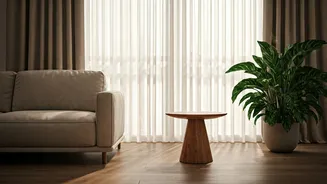
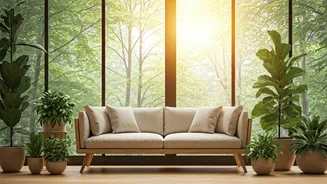
Perhaps the most direct way to create an earthy feel is to incorporate living things. Houseplants are a must. They literally purify the air and add a splash of vibrant, living color. Choose a variety of species with different leaf shapes and sizes—a tall fiddle-leaf fig in a corner, a trailing pothos on a bookshelf, a small succulent on a windowsill. If you lack a green thumb, dried grasses like pampas or bunny tails in a simple vase offer a similar organic touch with zero maintenance. Finally, maximize your natural light. Keep window treatments minimal with sheer linen or cotton curtains. Sunlight makes earthy tones glow and highlights the beautiful textures you’ve worked so hard to curate, completing the transformation of your room into a warm, natural haven.