
1. Curate a Pet-Safe Jungle
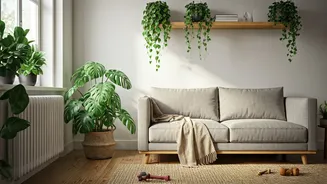
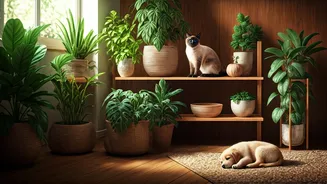
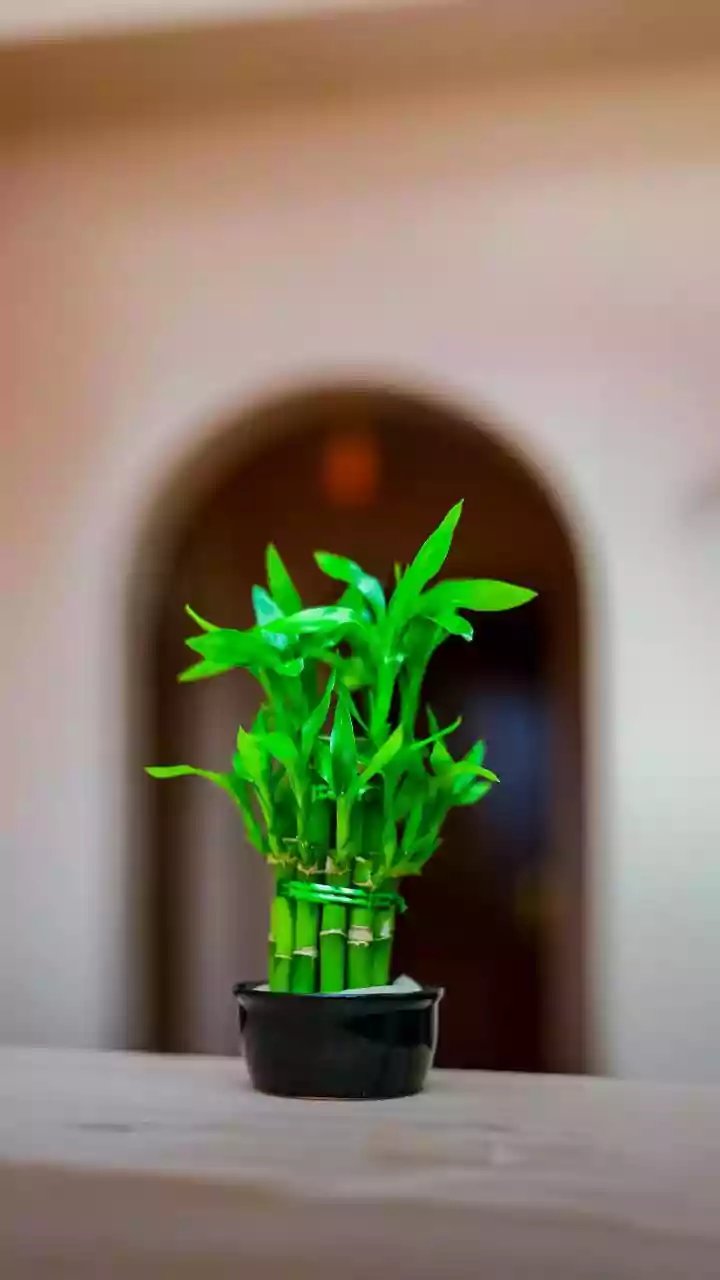
The most visible element of biophilic design is often the most dangerous for pets: houseplants. Many popular species, such as lilies, sago palms, and philodendrons, are highly toxic to cats and dogs. But you don't have to give up on greenery. The key
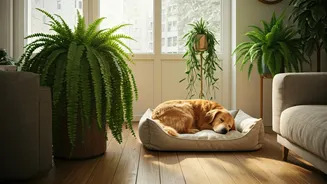
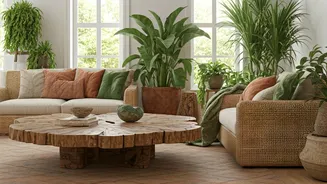
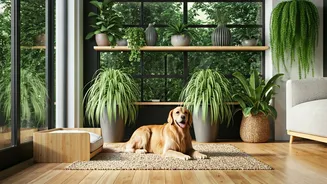
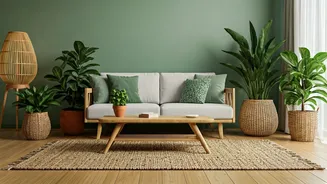
is curating a collection that’s both beautiful and harmless. Start by identifying and removing any toxic plants you currently own; the ASPCA maintains an exhaustive online database. When shopping for new additions, focus on pet-safe varieties. Options like the Spider Plant, Boston Fern, Parlor Palm, and Calathea (Prayer Plant) provide lush foliage without the risk. For a pop of color, African Violets and certain orchids are generally safe. Always double-check a specific plant's toxicity before bringing it home, as even plants within the same family can have different properties.
2. Choose Natural, Non-Toxic Materials
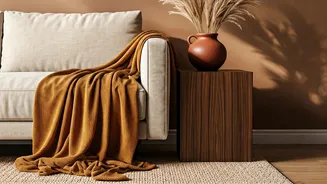
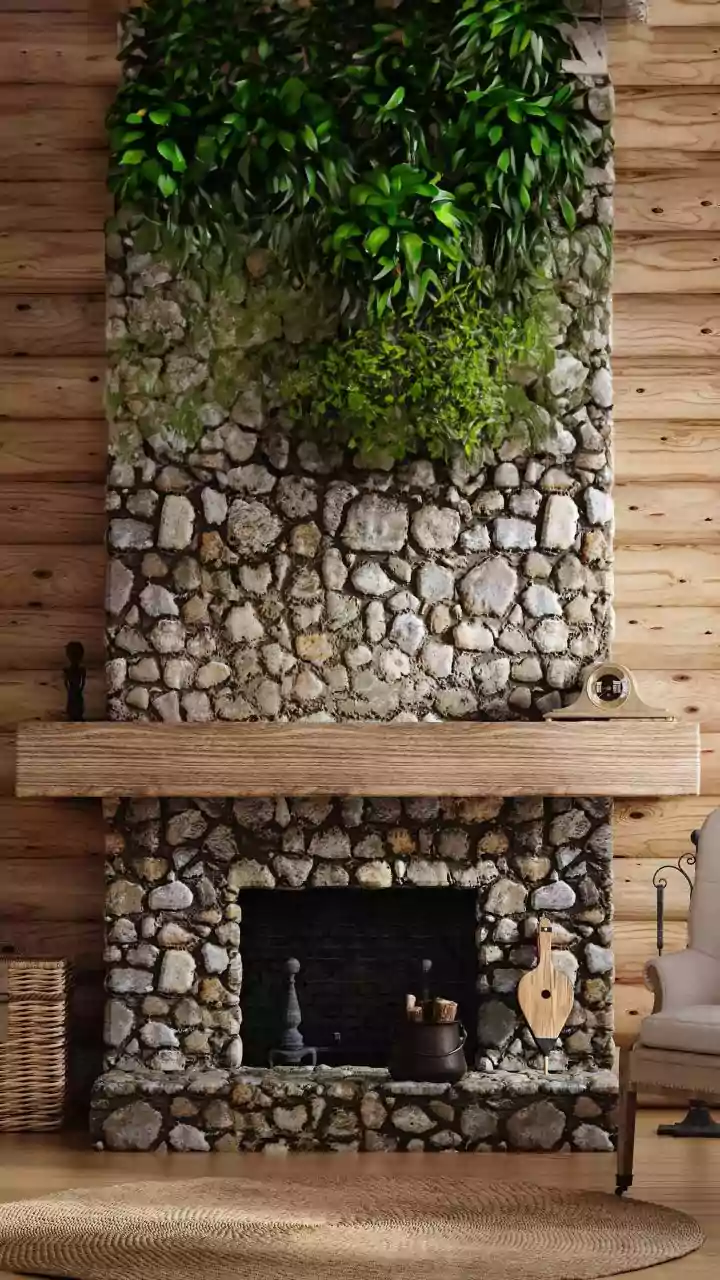
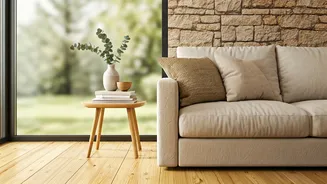
Biophilic design emphasizes organic materials like wood, stone, and natural fibers. When selecting these for your home, consider your pet’s habits. If you have a cat who loves to scratch, a tightly woven sisal or jute rug is a durable and satisfying choice. For dogs, a smooth, cool stone or slate floor in one area can provide a welcome spot to rest on a hot day. Be mindful of finishes and treatments. Opt for solid wood furniture over particleboard, which can contain formaldehyde-releasing glues. When sealing wood floors or furniture, look for low-VOC (Volatile Organic Compound) or zero-VOC products. These are better for the air quality for both you and your pets, whose sensitive respiratory systems are more susceptible to chemical irritants.
3. Maximize Safe Sunlight and Views
A core principle of biophilic design is connecting the indoor space with the outdoors. Large windows that flood a room with natural light are great, but they also present potential hazards. Ensure all window screens are secure to prevent falls, especially for curious cats who like to lean against them. Also, be mindful of dangling cords from blinds, which can be a strangulation hazard. Cordless blinds are the safest option in a home with pets. Create a dedicated, safe perch for your pet to enjoy the view. A sturdy cat tree by a window or a comfortable dog bed in a sunbeam allows them to engage with the world outside—watching birds, squirrels, and passersby—which provides crucial mental stimulation.
4. Engage the Senses—Safely
Scent is a powerful tool, but many popular home fragrance methods are dangerous for pets. Essential oil diffusers, while seemingly natural, can release particles that are toxic for cats and dogs to inhale or ingest through grooming. Many essential oils, including tea tree, peppermint, and citrus, can cause respiratory distress or even liver failure. Instead, create pleasant, natural aromas by simmering a pot of water with pet-safe ingredients like a cinnamon stick and a slice of apple. Or, simply open the windows to let in the fresh air—the easiest biophilic trick of all. For sound, the gentle burble of a water feature can be calming. Just ensure any tabletop fountains are stable and use clean, fresh water without any chemical additives.
5. Provide Secure 'Den' Spaces
In nature, animals seek out small, protected spaces for safety and rest. You can incorporate this concept into your home by creating 'dens' for your pets. This doesn't have to be a literal cave. It can be a dog crate draped with a blanket, a cozy bed tucked under a side table, or a cat-condo with enclosed sections. These spots give your pet a place to retreat when they feel overwhelmed, tired, or just need some alone time. Using natural materials like a wicker basket with a wool blanket or a wooden pet house reinforces the biophilic theme while giving your companion a profound sense of security.