




The Effortless Style of a Classic
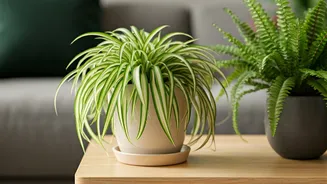
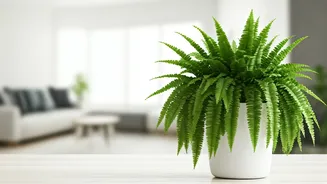
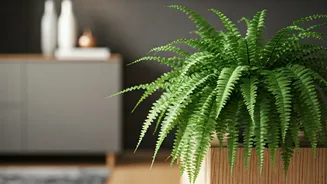
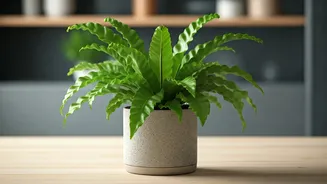
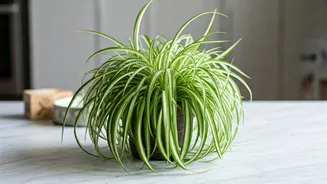
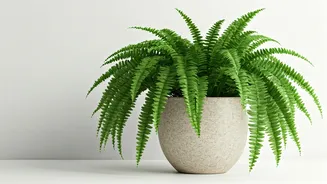
The spider plant (Chlorophytum comosum) is a master of quiet charisma. It doesn't scream for attention with flashy, temporary blooms. Instead, its appeal lies in its architectural grace and timeless versatility. With long, arching leaves that fountain
out from a central crown, it creates a sense of movement and life. The variegated varieties, with their creamy white or pale yellow stripes, offer a subtle pop of brightness that can lift any room's color scheme. What truly makes the spider plant a decor superstar is its adaptability. It looks equally at home in a minimalist ceramic pot on a bookshelf, a vintage macrame hanger creating a 70s vibe, or a sleek modern planter on a desk. As it matures, it sends out long stems, or “stolons,” which sprout tiny new plantlets, often called “pups” or “babies.” These spiderettes cascade down, adding a delicate, whimsical layer to the plant’s profile. This self-propagating feature not only gives you more plants for free but also enhances its lush, overflowing aesthetic, making it an enduring favorite for designers and casual decorators alike.
A Genuinely Worry-Free Plant
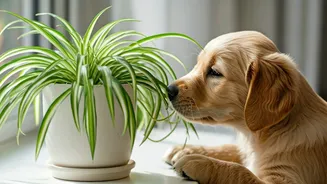
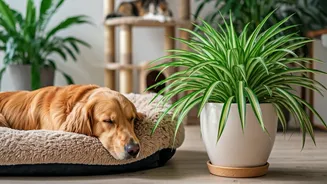
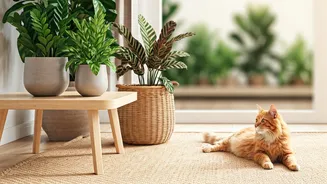
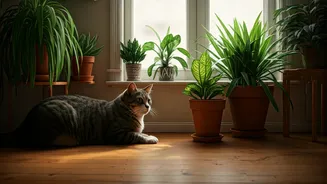
For many households, the biggest barrier to bringing greenery indoors is safety. Curious toddlers who put everything in their mouths and pets who love to nibble on leaves can turn a beautiful plant into a source of anxiety. This is where the spider plant truly shines and earns the “safe” part of its reputation. According to the American Society for the Prevention of Cruelty to Animals (ASPCA), spider plants are non-toxic to both cats and dogs.
While you might not want your furry friend making a salad out of your decor, you can have peace of mind knowing that a curious chew won't result in a frantic, late-night trip to the emergency vet. The same goes for small children. This non-toxic status makes the spider plant an ideal choice for family rooms, bedrooms, and play areas. It’s one of the few plants you can place on a low table or even the floor without worrying about toxicity, giving you far more flexibility in how you integrate nature into your home.
The Truth About Air Purification
You’ve probably heard that spider plants are amazing air purifiers. This claim stems from NASA's famous 1989 Clean Air Study, which found that spider plants could remove toxins like formaldehyde from a sealed chamber. It's an exciting finding, but it’s important to understand the context. The experiments were conducted in small, airtight laboratory environments—not exactly your breezy, open-plan living room.
In a typical home, the air-purifying effect of a single spider plant (or even a few) is negligible. You would need a veritable jungle—hundreds of plants—to meaningfully scrub the air of pollutants. So, should you ditch the idea? Not at all. While it's not a substitute for a HEPA filter or good ventilation, every little bit helps. More importantly, the psychological benefits are undeniable. The presence of green, living things has been shown to reduce stress and boost mood. So, while your spider plant isn't single-handedly fighting off indoor pollution, it is absolutely contributing to a healthier, happier, and more serene home environment. It purifies your mood, if not the air.
The Ultimate Forgiving Plant
Perhaps the most important kind of “safe” is being safe from a beginner’s mistakes. The spider plant is famously, almost comically, resilient. It’s the perfect starter plant for the self-proclaimed “black thumb” because it’s so forgiving. Forget to water it for a week or two? It will likely be fine. Give it a little too much water? Its tuberous roots store water, giving it a buffer. Place it in a low-light corner or a bright, sunny window? It will tolerate both, though it prefers bright, indirect light.
This hardiness removes the stress from plant ownership. It won't punish you for a busy week or a vacation. Brown tips, a common complaint, are usually just a reaction to minerals in tap water, not a sign of imminent doom. This durability means you’re investing in a piece of decor that will last, grow with you, and even produce new plants that you can share with friends. It’s a low-risk, high-reward relationship.