


Your Tires Are Your First Defense
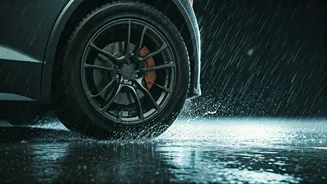
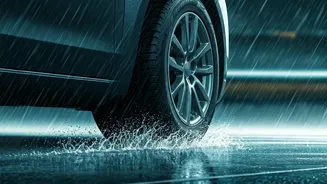
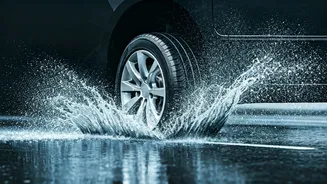
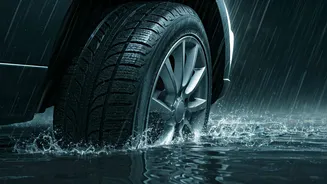
Think of your tires as the shoes your car wears. Just as you wouldn’t wear slick-soled shoes in a rainstorm, you shouldn't drive on worn-out tires. The grooves in your tire tread are designed to channel water away, allowing the rubber to maintain contact
with the pavement. When the tread is too shallow, your car can lose this grip and hydroplane—literally floating on a thin layer of water. This loss of traction makes steering and braking nearly impossible. Before the rains start, check your tire tread depth. The classic “penny test” is a great at-home method: insert a penny into the tread with Lincoln’s head upside down. If you can see the top of his head, your tires are likely worn below the safe minimum of 2/32 of an inch and need to be replaced. Also, check your tire pressure. Properly inflated tires provide better traction and more predictable handling on wet surfaces. The correct pressure is listed on a sticker inside your driver’s side door jamb, not on the tire itself.
Wiper Blades for a Streak-Free View
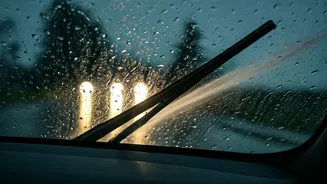
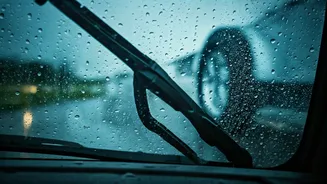
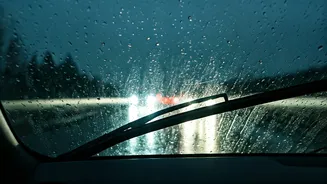
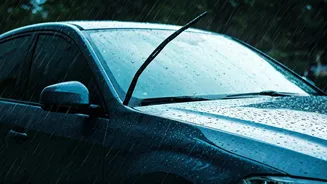
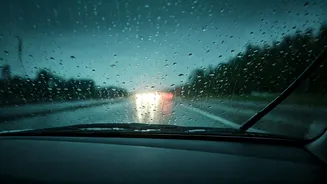
Your ability to see the road ahead is non-negotiable, and old wiper blades are a major liability in a downpour. Rubber degrades over time due to sun exposure and use, leading to blades that are brittle, cracked, or warped. Instead of clearing water, they begin to streak, smear, or skip across the windshield, dangerously obscuring your vision when you need it most. If you hear a chattering sound or see persistent streaks, it’s time for a new pair. Wiper blades are inexpensive and one of the easiest DIY car maintenance tasks. Most can be replaced in minutes without any tools. While you're at it, top off your windshield washer fluid. Road grime mixed with rain can create a film that only a spray from the washer jets can clear effectively.
Lights to See and Be Seen
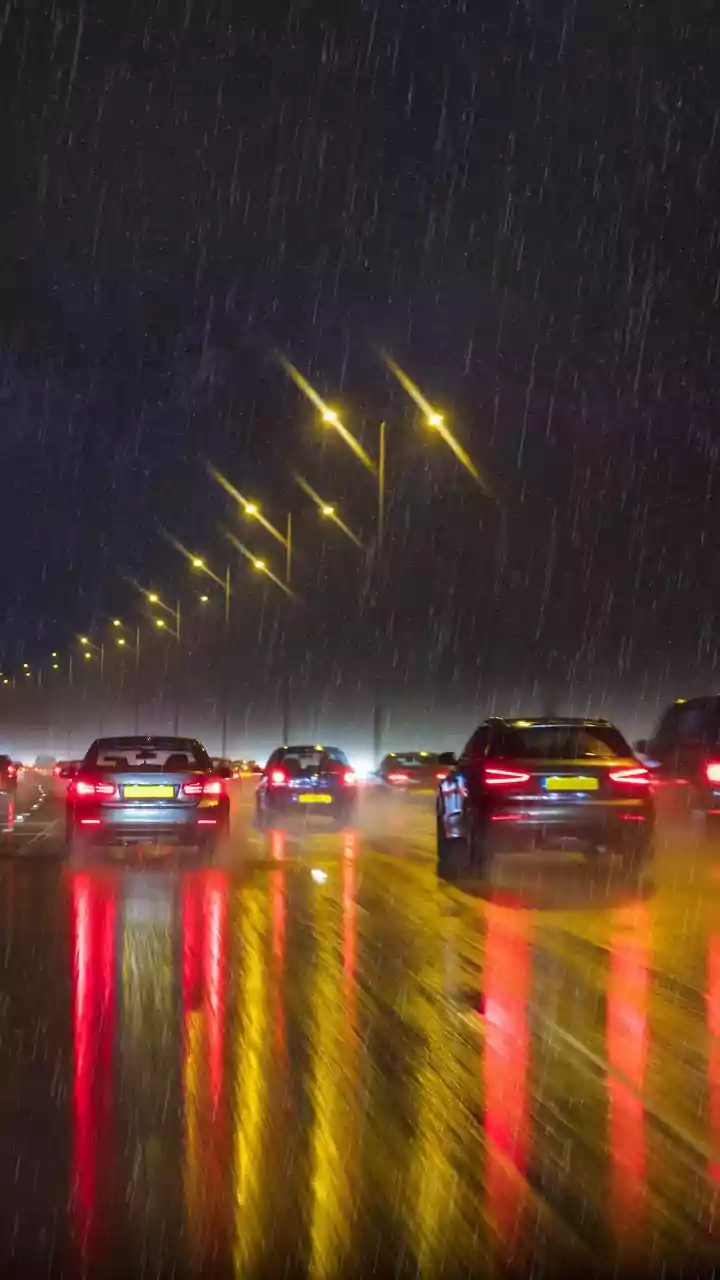
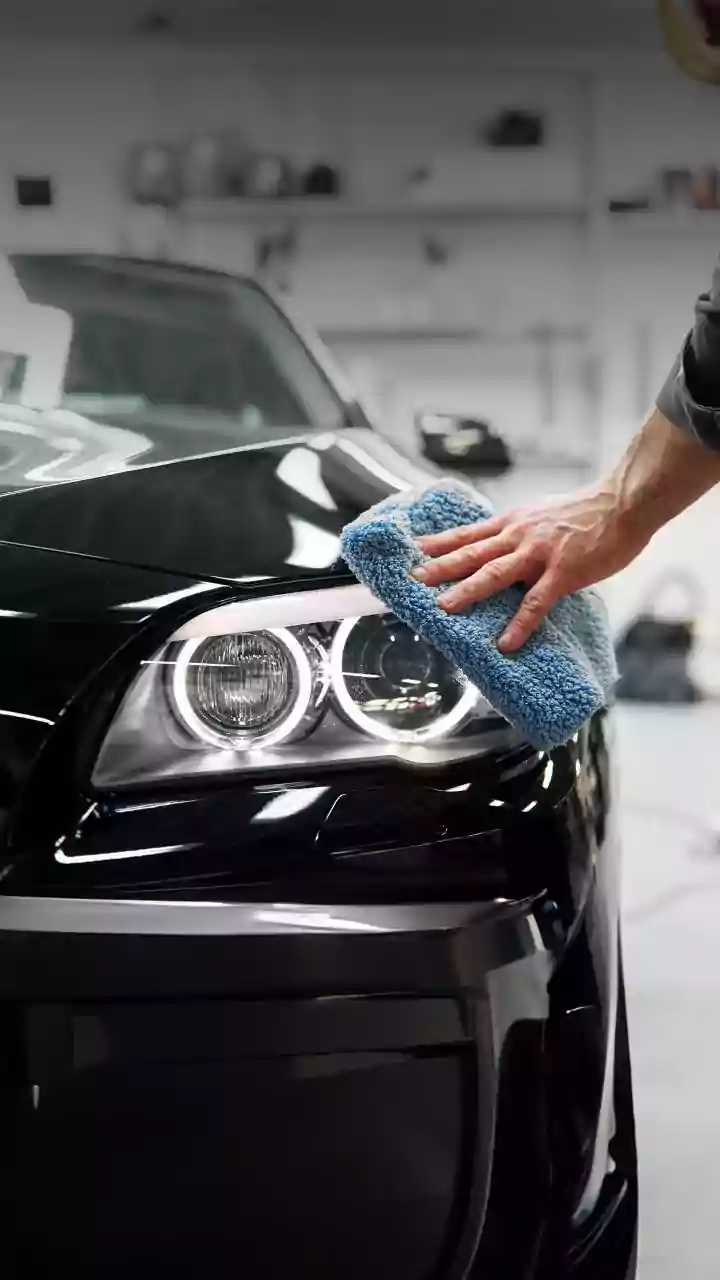
In heavy rain, visibility drops for everyone. Your car’s lights aren’t just for helping you see the road; they are crucial for helping other drivers see you. Many states have laws requiring your headlights to be on whenever your windshield wipers are in use. Before the weather turns, do a quick walk-around of your car. Turn on your headlights (both low and high beams), taillights, brake lights, and turn signals to ensure every bulb is working. Ask a friend to stand behind the car and confirm your brake lights illuminate when you press the pedal. A burned-out bulb is a simple, cheap fix that can prevent a serious rear-end collision in low-visibility conditions. Hazy or yellowed headlight covers can also dramatically reduce light output, so consider a restoration kit to polish them back to clarity.
Brakes You Can Count On
Your braking system is always important, but its effectiveness is put to the test on slick roads. Wet pavement can significantly increase your car’s stopping distance. If your brakes are already compromised, that distance gets even longer. Pay attention to the warning signs of worn brakes: a high-pitched squeal when you apply the pedal (from the wear indicators), a grinding noise (indicating pads are worn down to the metal), or a “soft” or spongy feeling in the brake pedal. If you notice any of these, or if your car pulls to one side when braking, have your system inspected by a professional immediately. Healthy brakes with sufficient pad life and properly maintained fluid will give you the best possible chance of stopping safely and predictably when the driver in front of you suddenly slams on their brakes in a downpour.
Your Defroster and A/C System
Rainy weather often brings humidity, which can cause your car’s windows to fog up on the inside, creating another major visibility hazard. Your defroster is the key to clearing this up quickly. Most modern cars use the air conditioning system to help with this process, as the A/C is excellent at removing moisture from the air. Before you get caught in a storm, test your system. Turn your climate control to the defrost setting (the icon with the curved windshield and wavy arrows) and check that air is blowing forcefully onto the windshield. Make sure both hot and cold air are working. If the air doesn’t blow or the windows won’t clear, you might have an issue with your blower motor or A/C system that needs attention before you’re trying to see through a foggy windshield in traffic.