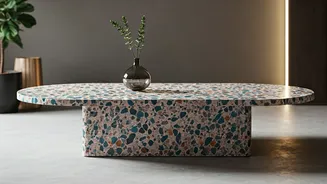

So, What Exactly Is Terrazzo?
Let’s start with the basics. Terrazzo isn’t a new kid on the block; it’s an old-world Italian artisan with a seriously impressive resume. Originating in 15th-century Venice as a way for mosaic workers to use up leftover marble chips, it’s a composite
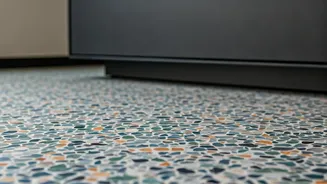
material made by embedding fragments of stone, glass, or marble into a cement or polymer binder. Once cured, it’s ground and polished to a smooth, uniform surface, revealing the beautiful, scattered pattern within. You’ve probably walked on it countless times in airports, grand hotel lobbies, and Art Deco theaters without even realizing it. Its last major moment in residential design was during the Mid-Century Modern boom, where its clean lines and durability made it a household favorite.
The Eco-Friendly 'Recycled' Twist
What makes today’s terrazzo trend feel so fresh is the 'recycled' component. While traditional terrazzo used marble scraps, the modern iteration is a champion of sustainability. Today’s manufacturers are creating stunning terrazzo using post-consumer and post-industrial materials that would otherwise end up in a landfill. Think chips of recycled glass from bottles, broken ceramic, crushed mirrors, and even discarded porcelain. This not only diverts waste but gives the final product a unique and often more vibrant character. A pop of cobalt blue might come from an old beer bottle, while a flash of amber could be from a shattered vase. It’s design with a conscience, allowing homeowners to make a style statement that’s also an environmental one.
Why Now? A Perfect Storm of Trends
Terrazzo's resurgence isn't an accident. It's the perfect material for this moment, hitting several key design trends at once. First, there's the push for personalization; since it's a custom-poured or tiled material, the color combinations and chip styles are nearly infinite, letting you create a truly one-of-a-kind surface. Second, we’re moving away from the sterile, all-white minimalism of the 2010s and embracing color, texture, and pattern. Terrazzo delivers that 'wow' factor without being overwhelming. Finally, there's the durability factor. In a world where we want things that last, terrazzo is a beast. It’s incredibly hard-wearing, resistant to stains and scratches, and easy to clean, making it a practical choice for high-traffic areas like kitchens and entryways.
Thinking Beyond the Floor
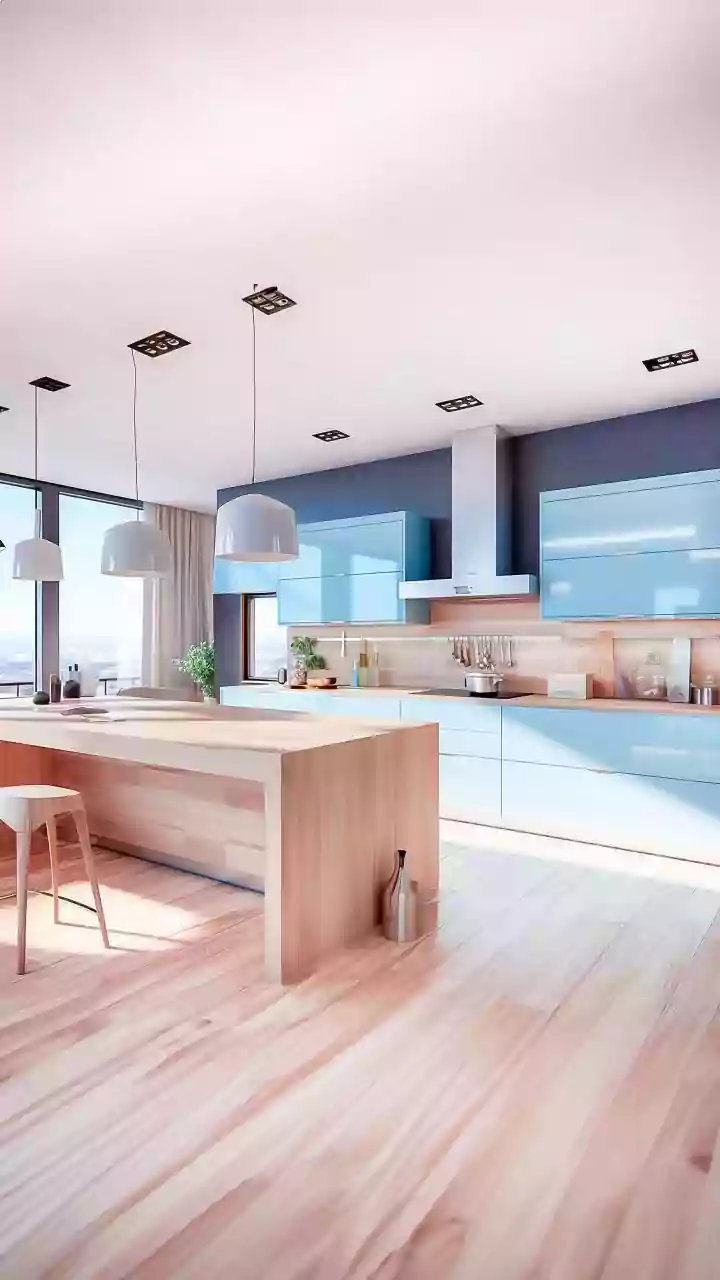
While the headline screams flooring, terrazzo’s modern revival is seeing it climb off the ground and onto every other surface. Designers are using it for kitchen countertops and backsplashes, where its seamless, non-porous finish (when properly sealed) is a godsend. You’ll also see it forming waterfall islands, custom shower walls, and even fireplace surrounds. The fun doesn't stop there. The terrazzo pattern has become a popular print, appearing on everything from wallpaper and textiles to smaller home decor items like coasters, planters, and serving trays. It’s a way to get the look without committing to a full-scale renovation, proving the pattern’s versatility and broad appeal.
The Practical Side: Cost and Care
Okay, time for a reality check. If you’re expecting to floor your home for the price of laminate, terrazzo will give you sticker shock. It is a premium material, and the cost reflects the craftsmanship and labor-intensive installation, especially for poured-in-place applications. Terrazzo tiles offer a more budget-friendly (and DIY-friendly) alternative. Costs can range widely from around $25 to over $100 per square foot installed, depending on the complexity, materials, and type. The upside? Its longevity is legendary. This isn’t a floor you’ll replace in a decade; it’s a floor your grandkids might still be admiring. Maintenance is simple—regular sweeping and mopping with a pH-neutral cleaner is all it needs. Just be sure it’s properly sealed upon installation to protect it from acidic spills.