





The Kitchen as a Personal Lab
For years, the ambitious home cook’s status symbols were tools of creation: the high-end stand mixer, the perfectly seasoned cast-iron skillet, the wood-fired pizza oven. The goal was mastery over process. That’s shifting. The new frontier of culinary
one-upmanship is about mastery over the ingredients themselves. Welcome to the era of at-home food testing, where countertops are starting to look less like prep stations and more like mini laboratories. This isn't just about reading labels more carefully; it's about using technology to verify what those labels claim—or reveal what they don't. It’s a direct response to a culture obsessed with wellness, transparency, and, let's be honest, a little bit of control in a world of complex supply chains.
What Are People Actually Testing?
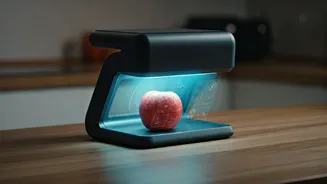
The range of what you can analyze from your kitchen island is growing fast. The most established players in this space target specific dietary concerns. Portable sensors that test for gluten in restaurant meals or grocery items, for example, gained a cult following among those with Celiac disease or severe sensitivities. But the trend has broadened significantly. New devices and test kits are emerging that promise to detect pesticide residues on fruits and vegetables, determine the freshness of meat and fish by analyzing volatile organic compounds, or even measure the spiciness of a chili pepper by quantifying its capsaicin levels. Others offer to test for allergens like peanuts or dairy. It’s the “quantified self” movement—popularized by fitness trackers and sleep monitors—migrating directly onto our dinner plates.
The 'Why' Behind the Flex
So, why are people doing this? It’s a potent cocktail of genuine health concerns, deep-seated distrust, and pure foodie curiosity. For some, it’s a non-negotiable safety tool. For others, it’s about peace of mind. After years of headlines about food recalls, misleading labels, and cross-contamination, many consumers feel that the only person they can truly trust is themselves—armed with a gadget. But beyond the anxiety, there's a powerful element of connoisseurship. Imagine being able to prove that the farmer's market strawberries are truly lower in pesticides than the supermarket's, or knowing the exact Scoville Heat Units of the ghost peppers you’re using for your hot sauce. It’s information as a status symbol. Telling guests “I grew these tomatoes” is impressive; telling them “I tested them and they have zero detectable pesticides” is a whole new level of flex.
The Science and the Skepticism
Before you turn your kitchen into a biohazard-themed tech hub, it's important to inject a dose of reality. Most of these consumer-grade devices are not replacements for professional laboratory testing. Their accuracy can vary, and they often test for the presence of a substance, not necessarily the exact quantity. A device might detect a class of pesticides but can't tell you if the amount is above or below the FDA's safety threshold. False positives and negatives are a real concern, potentially causing unnecessary alarm or a false sense of security. Furthermore, these gadgets aren't cheap, often running into the hundreds of dollars, plus the cost of single-use test capsules. Skeptics argue they feed into food anxiety more than they provide genuinely actionable data, turning the joy of eating into a stressful, data-driven exercise.