
From Quenching Thirst to Optimizing Self
Not long ago, the most complex choice in the beverage aisle was between diet or regular. Today, you’re faced with a vocabulary test: Do you need prebiotics for your microbiome, nootropics for your brain, or adaptogens to combat stress? Welcome to the world
of functional beverages, a booming market built on the idea that every sip should be doing something *for* you. These aren't your grandpa's Gatorade, designed for simple electrolyte replacement. Modern functional drinks are engineered to solve modern anxieties. Brands like Olipop and Poppi offer a bubbly, low-sugar alternative to soda, packed with fiber for gut health. Others, like Celsius or Prime Energy, deliver a jolt of caffeine fused with vitamins. Then there are the calming concoctions from labels like Recess, infused with ingredients like L-theanine and magnesium, promising to take the edge off a stressful day. The basic act of hydration has been transformed into an opportunity for self-improvement, turning a biological necessity into a lifestyle choice.
The Instagrammable Can and the TikTok Effect
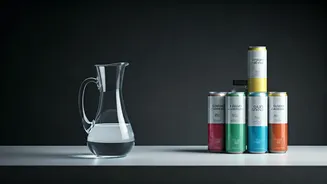
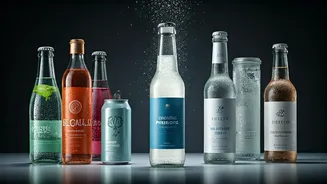
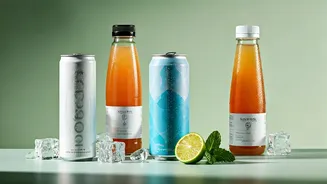
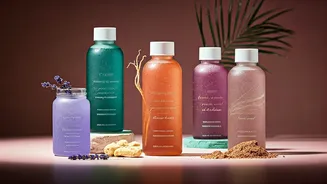
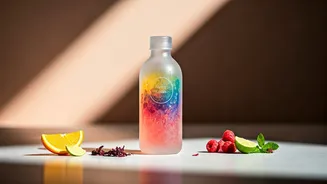
A huge part of the functional beverage explosion has little to do with what’s inside the can and everything to do with the outside. These products are designed for the digital age. With pastel colors, minimalist fonts, and sleek packaging, they are accessories as much as refreshments. Holding a can of aesthetically pleasing seltzer has become a visual shorthand for a certain kind of wellness-conscious, in-the-know lifestyle. Social media, particularly TikTok, has acted as a massive accelerator. Unboxing videos, “what I eat in a day” montages, and taste-test reviews featuring these drinks regularly go viral, creating overnight sensations. This marketing ecosystem doesn't just sell a product; it sells an identity. You’re not just buying a prebiotic soda; you’re buying into the “hot girl with a healthy gut” aesthetic. This performance of wellness is a powerful driver, making the choice of beverage a public statement about your values, priorities, and personal brand.
What's Your Function?
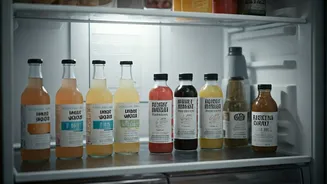
The functional beverage trend allows consumers to curate their hydration like they curate a playlist, matching the drink to the desired mood or outcome. Each category offers a different “personality” for the consumer to adopt. The 'Gut Health Guru' stocks up on kombucha and prebiotic sodas, signaling a commitment to internal balance and holistic wellness. The 'Productivity Hacker' reaches for a drink with nootropics like L-theanine or Lion's Mane, aiming to bio-hack their way to peak mental clarity and focus. Meanwhile, the 'Zen Seeker' sips on beverages with CBD or adaptogens, projecting an aura of calm and mindfulness amidst the chaos of modern life. Even simple hydration has been stratified. Forget tap water; the wellness elite might carry a bottle spiked with a Liquid I.V. or Hydrant packet, turning the simple act of drinking H2O into a calculated, efficient task. Your choice of drink implicitly answers the question: Who are you trying to be today?
The Murky Science of Self-Care in a Can
While the marketing is slick and the promises are ambitious, the science supporting many of the claims can be less clear-cut. Terms like “adaptogen” and “nootropic” sound impressive, but the actual impact of the small doses found in many commercial beverages is often debated by scientists. Many of the studies cited by brands are preliminary or conducted on ingredient concentrations far higher than what’s in a single 12-ounce can. For most consumers, however, the precise scientific efficacy may be beside the point. The appeal is rooted in a feeling of proactive self-care. In a world where health can feel complex and uncontrollable, buying a functional beverage offers a small, tangible sense of agency. It’s an accessible, low-commitment way to feel like you’re doing something good for your body and mind, even if the primary effect is placebo. It’s less about a guaranteed outcome and more about participating in the ritual of wellness.