





The Trip-Altering Ping
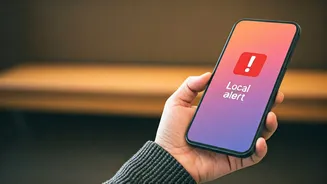
Imagine you’re cruising through the desert Southwest, windows down, music up. You’re two hours from your national park campsite when your phone buzzes with a jarring tone—a Wireless Emergency Alert (WEA). It’s not a text from a friend; it’s a flash flood
warning for the exact canyon your route passes through. Ten years ago, you might have driven straight into a dangerous, impassable situation. Today, that simple alert gives you time to pull over, check an alternate route on your map, and find a safe place to wait it out. This isn’t a dramatic hypothetical; it’s a regular occurrence across the U.S. where local conditions change in an instant. From wildfires in California to pop-up tornadoes in the Midwest and sudden blizzards in the Rockies, localized, real-time information has become the most crucial, yet often overlooked, tool in a traveler's arsenal.
An Ecosystem of Information
When we think of “alerts,” we often picture severe weather. But the modern road tripper has access to a whole ecosystem of updates that go far beyond storm warnings. These alerts fall into three critical categories: safety, navigation, and opportunity. Safety alerts cover natural disasters like floods, fires, and extreme weather. Navigational alerts, provided by apps like Google Maps and Waze, offer real-time data on traffic jams, accidents, and road closures. Finally, opportunity alerts—the kind you might get from following a local tourism board or using a travel app—can point you toward a fantastic farmers' market, a small-town festival, or a scenic detour you’d have otherwise missed entirely. Ignoring this information is like driving with a blindfold on; embracing it transforms you from a tourist into a savvy traveler who can adapt and thrive on the road.
Your Phone’s Built-in Lifesaver
The most critical alerts require no app download or subscription. Wireless Emergency Alerts (WEAs) are a partnership between FEMA, the FCC, and wireless carriers to push geographically targeted warnings to cell phones. These are automatically enabled on all modern smartphones. They use a different technology than text messages, broadcasting from cell towers to every enabled device in a specific area, which is why they work even when networks are congested. WEAs cover three things: alerts issued by the President, AMBER alerts for missing children, and Imminent Threat alerts for severe weather and other man-made or natural disasters. Before any big trip, dive into your phone’s settings (usually under “Notifications”) and ensure that “Emergency Alerts” and “Public Safety Alerts” are toggled on. They are the ultimate backstop for when things get serious.
Mastering Traffic and Closures
While WEAs handle major emergencies, your daily driving sanity depends on navigational alerts. This is where apps like Google Maps, Waze, and Apple Maps shine. They don’t just show you the route; they actively monitor it. By collecting anonymous speed data from users, they can detect a slowdown in real time and suggest a faster alternative. They also integrate official data on construction, lane closures, and accidents. Before you blindly follow a GPS into a remote area, however, supplement it with the local Department of Transportation's resources. Most states run a “511” service—a phone number and website (e.g., “California 511”) that provides the most reliable information on state highway conditions, chain control requirements in winter, and long-term closures that GPS apps might miss.
Finding the Good Surprises
Alerts aren’t just about avoiding disaster; they can also lead you to delight. The same connectivity that warns you of a flood can also help your trip “make” itself. Is a road closed ahead because of a rockslide, or is it for the town’s annual Founder’s Day parade that you might want to stop and see? Many mapping apps are now integrating local events. Furthermore, by simply zooming in on the map of a town you're passing through, you might see a pin for a “Community Market” or “Live Music in the Park.” Being digitally aware allows you to pivot from a blocked road to an unexpected adventure, turning a potential frustration into a highlight of your trip. It’s the ultimate expression of a flexible travel mindset, powered by modern tools.