






More Than Just a Trail Run
When you hear “outdoor fitness,” your mind might jump to a simple jog in the park. But the movement blossoming across the U.S. is far richer and more diverse. It’s about intentionally choosing nature as the gym. This includes the explosive growth of “rucking,”
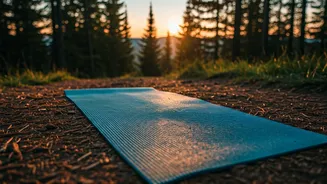
the military-inspired practice of walking with a weighted backpack, which builds strength and endurance with minimal equipment. It’s also the pop-up bootcamps in city parks using benches for box jumps and tree branches for pull-up assists. It’s the sunrise yoga sessions on a rocky overlook and the paddleboard core workouts on a calm lake. This isn't just about relocating an existing routine; it's about embracing dynamic, variable terrain and weather as part of the challenge, turning the environment itself into a piece of fitness equipment.
A Reaction to the Digital Deluge
For years, the fitness industry trended toward technology: high-tech treadmills with interactive screens, smart mirrors with digital trainers, and wearable tech that quantifies every heartbeat and step. While effective for many, this digital saturation created a quiet yearning for something more elemental. The outdoor movement is, in part, a pushback against the gamification of health. It’s a low-fi alternative that prioritizes sensory experience over data points. The focus shifts from hitting a target heart rate zone on a watch to feeling the sun on your skin, navigating an uneven path, and listening to the sounds of nature instead of a curated playlist. This return to analog provides a necessary mental break in a world that is perpetually connected and logged on.
The Mental Health Prescription
Perhaps the most powerful driver behind the outdoor fitness boom is the growing public awareness of mental health. The pandemic accelerated this, highlighting the profound psychological benefits of spending time in green spaces. The concept of “ecotherapy” is now mainstream. Studies have repeatedly shown that exercise performed in natural environments can reduce stress, anxiety, and depression more effectively than the same exercise performed indoors. The combination of physical exertion, fresh air, and natural light—what some researchers call “green exercise”—is a potent cocktail for well-being. People are no longer exercising just for physical aesthetics or performance; they are seeking resilience, clarity, and a genuine mood boost, and the outdoors delivers that in spades.
Building Community Under the Open Sky
While solo hikes and runs have their place, the outdoor movement is also intensely social. Rucking clubs like GORUCK have built a nationwide network of grassroots communities that meet for workouts and social events, fostering a sense of camaraderie and shared purpose that can be hard to find in a commercial gym. Trail running groups, open-water swimming clubs, and outdoor CrossFit “boxes” create bonds forged through shared challenge and a love for the environment. This social fabric is key to long-term adherence. When your workout is also your primary social outlet, you’re far more likely to show up, especially on days when motivation is low. These aren't just workout groups; they are modern-day tribes.
The Blueprint for 2026 and Beyond
Looking toward 2026, the integration of outdoor activity isn't just an add-on; it's becoming central to the definition of a healthy lifestyle. Fitness providers are adapting, with gyms offering outdoor classes and trainers specializing in programming for natural environments. Cities are recognizing the trend, investing in better trails, outdoor fitness parks, and public spaces designed for activity. The future of fitness isn't a binary choice between a high-tech gym and a wild trail. Instead, it’s a hybrid model where a week of wellness might include two days of heavy lifting indoors, a weekend rucking event with friends, and a few morning walks in a local park. It's a more holistic, sustainable, and enjoyable approach to movement that recognizes we are creatures of nature, and our well-being is intrinsically tied to it.